Why Direct Cloud Connections Bypass Public Internet for Low-Latency Performance
August 31, 2026
The Ultimate Guide to Multi-Cloud Networking and Interconnection Strategy
September 1, 2026
How Cloud Peering Reduces Data Transfer Latency for Critical Systems
In today’s fast-paced digital landscape, businesses rely heavily on their ability to transfer data swiftly and securely between various systems. This is especially true for organizations that operate business-critical applications, where even minimal latency can lead to significant operational challenges. One effective solution that organizations are increasingly adopting is cloud peering. In this article, we will explore how cloud peering can effectively reduce data transfer latency between business-critical systems, enhancing performance and ensuring seamless operations.
What is Cloud Peering?
Cloud peering is a networking practice that allows different cloud service providers or data centers to connect directly to each other, bypassing the public internet. This direct connection enables faster, more secure data transfer between systems, which is crucial for applications that demand high availability and low latency. By establishing peering connections, organizations can enhance the performance of their applications, reduce costs associated with data transfer, and improve overall reliability.
How Cloud Peering Works
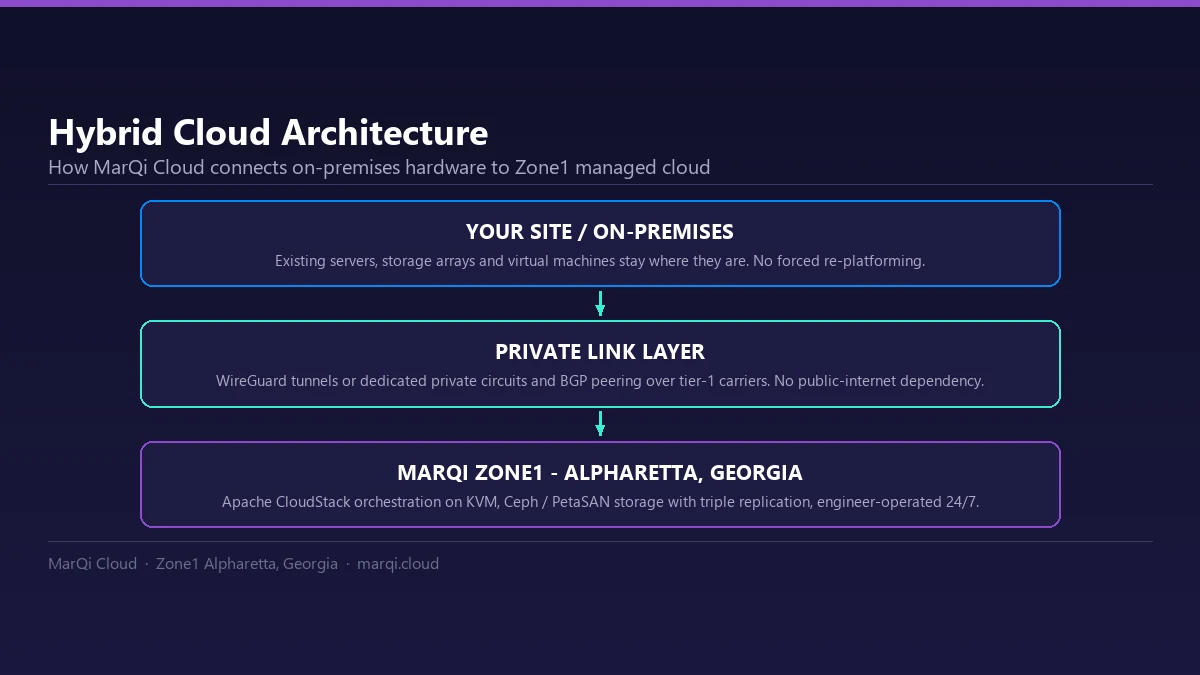
Cloud peering operates on a straightforward principle: it creates a dedicated pathway for data to travel between two points. This is achieved through several methods, including:
- Direct Connect: A physical connection established between two networks, allowing data to flow directly without any intermediaries.
- Virtual Private Networks (VPNs): Secure tunnels over the internet that enable encrypted data transfer between sites, though they may not offer the same performance as direct connections.
- Internet Exchange Points (IXPs): Facilities that facilitate the exchange of internet traffic between multiple networks, enhancing data transfer efficiency.
By leveraging these connections, organizations can significantly reduce the distance data must travel, minimizing latency. This is particularly beneficial for businesses that rely on real-time data processing and analytics.
Benefits of Cloud Peering
Implementing cloud peering offers a multitude of benefits for organizations:
- Reduced Latency: By creating direct connections, cloud peering minimizes the number of hops data must take, leading to faster response times.
- Increased Bandwidth: Peering connections often provide higher bandwidth than traditional internet connections, supporting data-heavy applications and workloads.
- Cost Efficiency: Organizations can save on egress fees associated with data transfer over public internet pathways. This is particularly advantageous for businesses with high data transfer demands.
- Enhanced Security: Direct connections reduce exposure to potential security threats that come with public internet usage, providing a more secure environment for sensitive data.
- Improved Reliability: With dedicated pathways, organizations can experience higher uptime and reliability, critical for business-critical systems.
Cloud Peering vs. Traditional Data Transfer
To better understand the advantages of cloud peering, it is important to compare it with traditional data transfer methods. The following table summarizes key differences:
| Feature | Cloud Peering | Traditional Data Transfer |
|---|---|---|
| Latency | Low latency due to direct connections | Higher latency due to multiple hops |
| Bandwidth | Higher bandwidth capabilities | Limited by public internet speeds |
| Cost | Lower data transfer costs | Higher egress fees |
| Security | Enhanced security through private connections | More vulnerable to attacks |
| Reliability | Higher reliability and uptime | Dependent on public internet stability |
Implementing Cloud Peering
Organizations looking to implement cloud peering should consider the following steps:
- Assess Network Requirements: Evaluate your organization’s data transfer needs, including volume, frequency, and sensitivity of data.
- Select Cloud Providers: Choose cloud providers that offer peering options and ensure compatibility with your existing infrastructure.
- Establish Peering Connections: Work with your cloud provider to set up the necessary peering connections, whether through direct connect, VPNs, or IXPs.
- Monitor Performance: Continuously monitor the performance of your peering connections to ensure they meet your organization’s requirements.
- Optimize Configuration: Adjust configurations as needed to maximize performance and security.
Example Scenarios of Cloud Peering
The scenarios below are illustrative examples of how organizations typically apply these practices; they do not describe specific MarQi Cloud customers or measured results.
- Financial Services: A major bank implemented cloud peering to connect its data centers with its cloud provider, resulting in a reduction in data transfer latency. This allowed for real-time transaction processing, improving customer satisfaction.
- E-commerce Platform: An online retailer utilized cloud peering to connect its inventory management system with its cloud hosting provider, reducing latency. This enabled faster updates and better inventory tracking during peak sales events.
- Healthcare Provider: A healthcare organization adopted cloud peering to ensure secure and rapid access to patient data across multiple locations, significantly improving response times and compliance with regulations.
Frequently Asked Questions
What is cloud peering?
Cloud peering is a networking practice that allows different cloud service providers or data centers to connect directly to each other, bypassing the public internet, which enhances data transfer speed and security.
How does cloud peering reduce latency?
Cloud peering reduces latency by creating direct connections between cloud providers, eliminating the need for data to travel through multiple hops over the public internet.
What are the benefits of cloud peering?
Benefits of cloud peering include reduced latency, increased bandwidth, cost efficiency, enhanced security, and improved reliability.
How do I implement cloud peering?
Implementing cloud peering involves assessing network requirements, selecting cloud providers, establishing peering connections, and continuously monitoring performance.
Is cloud peering secure?
Yes, cloud peering is generally more secure than traditional data transfer methods, as it reduces exposure to potential security threats associated with public internet usage.
What industries benefit most from cloud peering?
Industries such as finance, e-commerce, healthcare, and technology benefit significantly from cloud peering due to their need for low latency and high data transfer rates.
Can cloud peering help with disaster recovery?
Yes, cloud peering can enhance disaster recovery efforts by allowing for faster data replication and recovery processes between cloud environments.
What is the difference between cloud peering and VPN?
Cloud peering provides direct connections between networks, while VPNs create secure tunnels over the internet. Peering generally offers better performance and lower latency.
In conclusion, cloud peering is a powerful solution for organizations looking to enhance their data transfer capabilities between business-critical systems. By reducing latency and improving overall performance, cloud peering enables businesses to operate more efficiently and effectively. For organizations interested in implementing cloud peering as part of their infrastructure strategy, MarQi Cloud offers tailored solutions to meet specific needs. Contact us today to learn more about how we can help you leverage cloud peering for your business success.