The Complete Guide to Private Network Interconnects for Enterprise Cloud Connectivity
August 31, 2026
How Cloud Peering Reduces Data Transfer Latency for Critical Systems
September 1, 2026
Why Direct Cloud Connections Bypass Public Internet for Low-Latency Performance
In today’s data-driven world, the demand for consistent low-latency performance in cloud computing is at an all-time high. Businesses are increasingly reliant on cloud infrastructure to power their operations, and any delay in data transfer can lead to significant losses in productivity and revenue. This is where direct cloud connections come into play. Direct cloud connections bypass the public internet, providing a more reliable and faster alternative for enterprises looking to enhance their cloud performance. In this article, we will explore the reasons why these direct connections are essential for achieving optimal low-latency performance, the benefits they offer, and how they can be implemented effectively. By the end of this guide, you will understand the critical role direct cloud connections play in modern enterprise cloud strategies.
Understanding Direct Cloud Connections
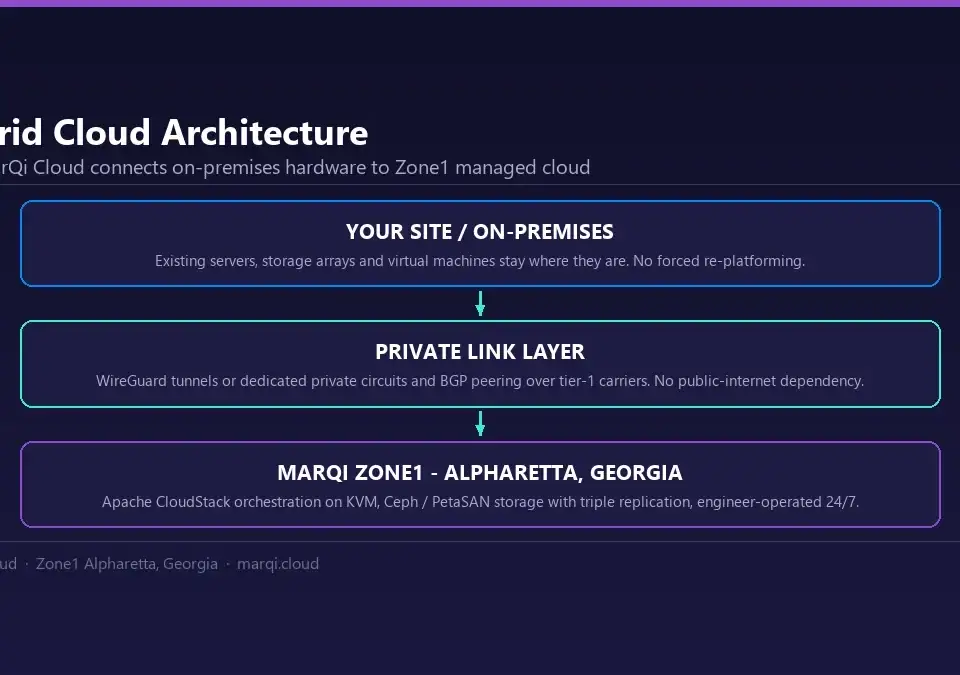
Direct cloud connections refer to private, dedicated lines that connect an organization’s on-premise infrastructure directly to cloud service providers (CSPs). Unlike traditional internet connections that traverse the public internet, these dedicated lines offer a more secure and reliable means of data transfer. Companies like MarQi Cloud provide enterprise-grade infrastructure that includes options for direct connections, ensuring that businesses can benefit from low-latency performance while maintaining high levels of security.
Direct connections are particularly beneficial for organizations that handle large volumes of data or require real-time data processing. For instance, financial institutions often utilize direct cloud connections to facilitate high-frequency trading, where every millisecond counts. By bypassing the public internet, these organizations can significantly reduce latency and ensure faster transaction times.
The Importance of Low-Latency Performance
Low-latency performance is critical for a variety of applications, including:
- Real-Time Data Processing: Industries such as finance, healthcare, and gaming require immediate data processing to ensure timely decisions and actions.
- Streaming Services: Video and audio streaming platforms need low latency to provide uninterrupted viewing experiences.
- Online Gaming: Gamers demand real-time interactions, where even slight delays can impact gameplay.
- IoT Applications: Internet of Things devices often rely on quick data exchange to function effectively.
According to a study by the Akamai, a 100ms delay in latency can lead to a 7% decrease in conversion rates for e-commerce sites. This statistic highlights the importance of maintaining low latency in cloud solutions.
How Direct Connections Work
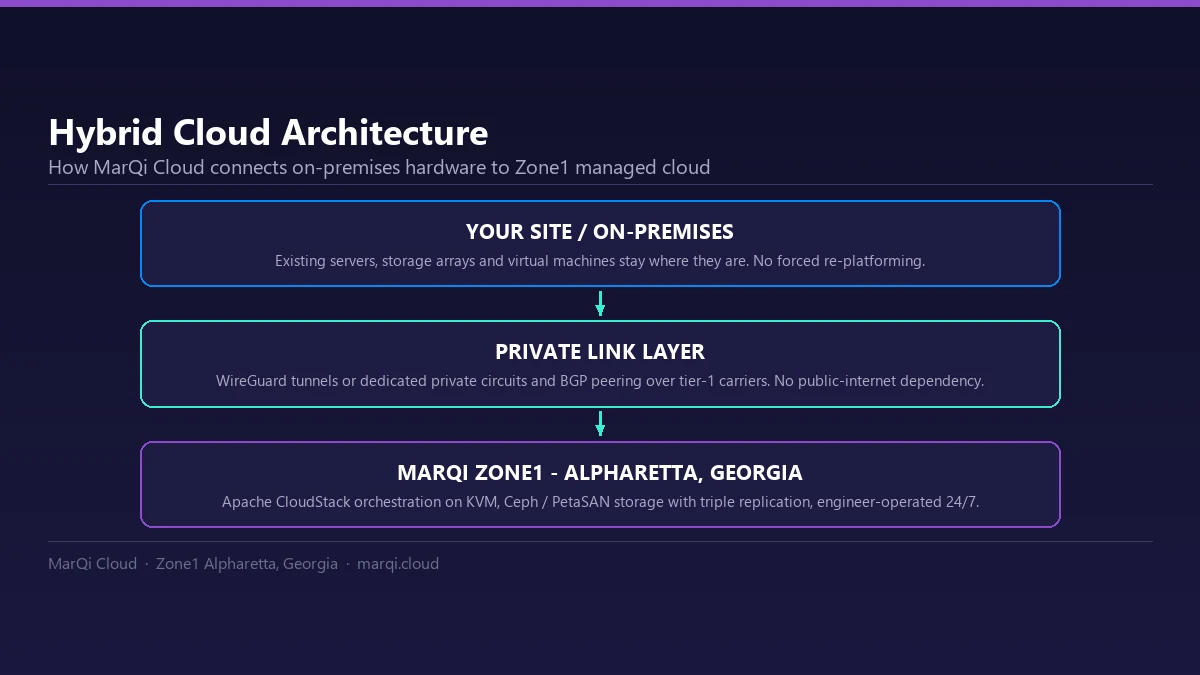
Direct cloud connections utilize dedicated physical circuits to establish a direct link between an organization’s data center and the cloud provider’s infrastructure. This is typically achieved through:
- Private Lines: Businesses can lease private lines from telecommunications providers to establish direct connections.
- Cloud Exchange Services: These services allow multiple organizations to connect to various cloud providers through a single physical connection.
- Direct Connect Services: Many cloud providers offer dedicated connection services that facilitate direct links to their data centers.
For example, MarQi Cloud offers private circuits and peering options that enable organizations to connect their infrastructure directly to the cloud, providing enhanced performance and security.
Benefits of Direct Cloud Connections
Organizations can derive several benefits from implementing direct cloud connections:
- Enhanced Security: By bypassing the public internet, organizations reduce exposure to threats such as DDoS attacks and data breaches.
- Improved Reliability: Direct connections are less susceptible to fluctuations in internet traffic, ensuring consistent performance.
- Scalability: Businesses can easily scale their cloud resources without worrying about bandwidth limitations.
- Cost Savings: While direct connections may involve upfront costs, they can lead to long-term savings by reducing data transfer fees and improving operational efficiency.
Comparing Direct Connections to Public Internet
To illustrate the advantages of direct cloud connections, we can compare them to traditional public internet connections. The following table highlights key differences:
| Feature | Direct Cloud Connections | Public Internet Connections |
|---|---|---|
| Latency | Consistently low | Variable, often high |
| Security | High, private | Lower, public |
| Reliability | High, less prone to outages | Variable, prone to outages |
| Cost | Higher initial investment, lower long-term costs | Lower initial costs, higher data transfer fees |
Implementing Direct Cloud Connections
Implementing direct cloud connections requires careful planning and execution. Here are the key steps organizations should follow:
- Assess Needs: Determine the specific requirements for bandwidth, latency, and security for your organization.
- Select a Provider: Choose a cloud provider that offers direct connection services that align with your needs. MarQi Cloud provides tailored solutions for enterprises.
- Plan the Network Architecture: Design the network architecture to accommodate direct connections, ensuring redundancy and failover options.
- Implement Security Measures: Incorporate security protocols to safeguard data during transit.
- Test and Monitor: Conduct thorough testing of the connection and monitor performance continuously to ensure optimal operation.
Expert Tips for Optimizing Performance
Here are some additional expert tips to enhance performance:
- Utilize Quality of Service (QoS) settings to prioritize critical traffic.
- Implement load balancing to distribute traffic evenly across connections.
- Regularly conduct latency tests to identify and address performance bottlenecks.
- Engage with your cloud provider to leverage their expertise in optimizing your architecture.
Conclusion
Direct cloud connections are essential for organizations seeking to achieve consistent low-latency performance in their cloud operations. By bypassing the public internet, businesses can enhance security, reliability, and scalability while reducing long-term costs. Implementing these connections requires strategic planning and execution, but the benefits far outweigh the challenges. As enterprises increasingly rely on cloud infrastructure, investing in direct connections will be a key differentiator in ensuring operational success.
FAQ
FAQs About Direct Cloud Connections
What are direct cloud connections?
Direct cloud connections are private, dedicated lines that connect an organization’s infrastructure directly to cloud service providers, bypassing the public internet.
Why are low-latency connections important?
Low-latency connections are crucial for real-time applications, such as online gaming, financial transactions, and video streaming, where delays can impact user experience and performance.
How do direct connections improve security?
Direct connections enhance security by reducing exposure to public internet vulnerabilities, such as DDoS attacks and unauthorized access.
What are the cost implications of direct cloud connections?
While direct cloud connections may involve higher initial costs, they can lead to long-term savings by reducing data transfer fees and improving operational efficiency.
How can organizations implement direct cloud connections?
Organizations can implement direct cloud connections by assessing their needs, selecting a suitable provider, planning their network architecture, implementing security measures, and continuously monitoring performance.
What is the difference between direct connections and public internet connections?
Direct connections offer consistently low latency, enhanced security, and reliability, whereas public internet connections are variable and more susceptible to outages and delays.
Can direct cloud connections support high data volumes?
Yes, direct cloud connections are designed to handle high data volumes efficiently, ensuring that organizations can scale their cloud resources as needed.
What industries benefit the most from direct cloud connections?
Industries such as finance, healthcare, gaming, and IoT applications benefit significantly from direct cloud connections due to their need for low-latency and secure data transfer.