Eliminate Bandwidth Bottlenecks: Cloud Peering Architecture for High-Traffic Apps
August 31, 2026
Why Direct Cloud Connections Bypass Public Internet for Low-Latency Performance
August 31, 2026
The Complete Guide to Private Network Interconnects for Enterprise Cloud Connectivity
In an era where digital transformation is paramount, enterprises are increasingly turning to private network interconnects to enhance their cloud connectivity. As organizations strive for greater efficiency, security, and performance, understanding the intricacies of private network interconnects becomes essential. This comprehensive guide will explore what private network interconnects are, their benefits, and how they can empower your enterprise cloud infrastructure.
What Are Private Network Interconnects?
Private network interconnects refer to dedicated connections that facilitate data exchange between enterprise networks and cloud services without traversing the public internet. Unlike traditional internet connections, private interconnects provide a more secure, reliable, and high-performance means of accessing cloud resources. These connections are essential for businesses that require consistent bandwidth, low latency, and enhanced security measures.
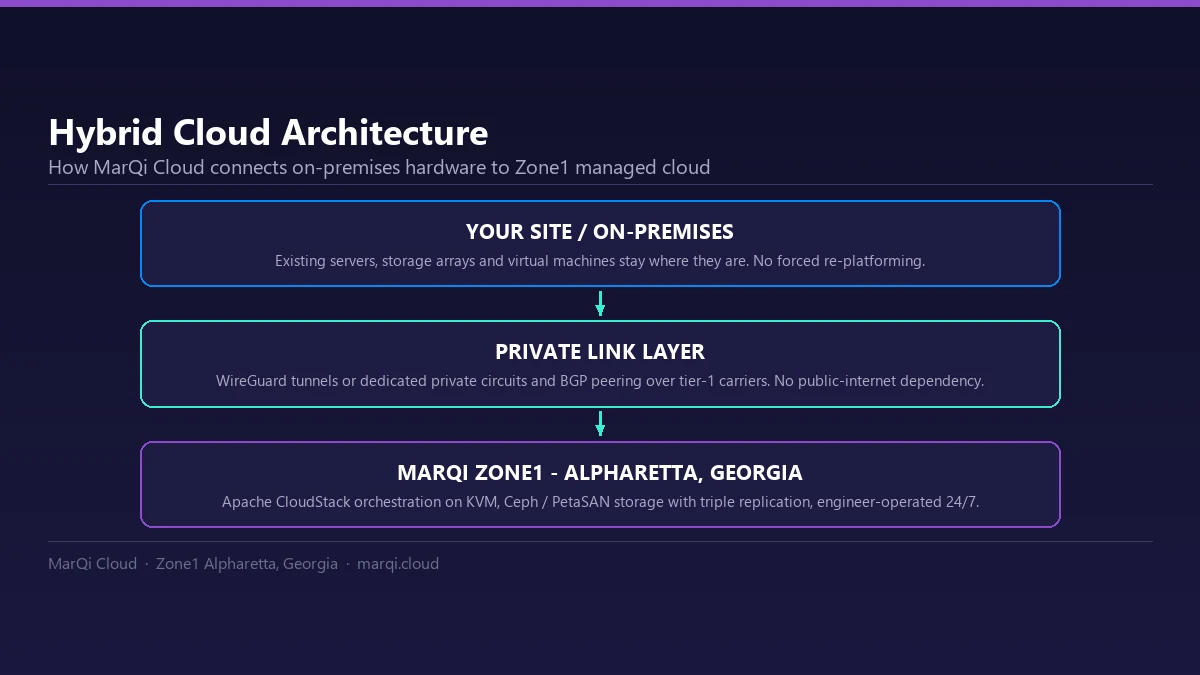
Private network interconnects can take various forms, including direct connections to cloud providers, leased lines, and dedicated fiber optic links. They play a crucial role in hybrid cloud environments, where organizations often utilize a combination of on-premise infrastructure and cloud services.
Benefits of Private Network Interconnects
Organizations leveraging private network interconnects can enjoy several key benefits:
- Enhanced Security: Since private interconnects do not rely on the public internet, they significantly reduce the risk of data breaches and cyberattacks. Sensitive information remains within a controlled network environment, ensuring compliance with regulations such as HIPAA and PCI DSS.
- Improved Performance: Private network interconnects offer higher bandwidth and lower latency compared to public internet connections. This is particularly beneficial for applications requiring real-time data transfer, such as video streaming or financial transactions.
- Reliability: With dedicated connections, enterprises experience fewer outages and disruptions, leading to improved business continuity. This reliability is crucial for mission-critical applications and services.
- Cost Efficiency: Although private interconnects may involve higher initial setup costs, the long-term savings from reduced downtime and improved operational efficiency can outweigh these expenses.
- Scalability: Private network interconnects provide the flexibility to scale bandwidth and connectivity options as business needs evolve, ensuring that organizations can adapt to changing demands.
How Private Network Interconnects Work
Understanding how private network interconnects operate is critical for enterprises looking to implement this technology. Here’s a breakdown of the process:
- Connection Establishment: Organizations establish a direct connection to their chosen cloud provider, typically through a data center or colocation facility. This connection may utilize leased lines or dedicated fiber optic cables.
- Data Transmission: Once connected, data can be transmitted securely between the organization’s network and the cloud provider without passing through the public internet. This ensures that data remains private and secure.
- Network Management: Organizations can monitor and manage their private network interconnects through dedicated management tools, allowing for real-time performance tracking and troubleshooting.
Types of Private Network Interconnects
Different types of private network interconnects cater to various business needs. Here are the most common:
| Type | Description | Use Case |
|---|---|---|
| Direct Connect | A dedicated connection from an enterprise to a cloud provider, bypassing the public internet. | Enterprises needing high bandwidth and low latency for critical applications. |
| Leased Line | A private circuit rented from a telecommunications provider, providing dedicated bandwidth. | Organizations requiring consistent performance for data-heavy applications. |
| Fiber Optic Links | High-speed connections using fiber optic cables for data transmission. | Businesses needing rapid data transfer rates for large volumes of data. |
| SD-WAN | Software-defined networking technology that allows for the creation of secure connections over multiple transport methods. | Businesses with multiple locations seeking to optimize cloud connectivity. |
Implementing Private Network Interconnects
Implementing private network interconnects requires careful planning and execution. Here’s a step-by-step guide:
- Assess Requirements: Determine the bandwidth, latency, and security requirements for your organization’s cloud connectivity needs.
- Select a Provider: Choose a cloud provider that offers private network interconnect options. Evaluate providers based on their network infrastructure, SLAs, and support services.
- Establish Connectivity: Work with your chosen provider to establish the necessary connections, ensuring compliance with security and regulatory requirements.
- Test Performance: Conduct thorough testing to ensure that the private network interconnect meets performance expectations and is configured correctly.
- Monitor and Optimize: Continuously monitor the performance of your private network interconnect and make adjustments as needed to optimize performance and security.
Best Practices for Private Network Interconnects
To maximize the benefits of private network interconnects, consider the following best practices:
- Regularly Review SLAs: Ensure that your service level agreements (SLAs) with providers align with your business needs, particularly regarding uptime and performance guarantees.
- Implement Security Measures: Utilize encryption and other security protocols to protect data transmitted over private network interconnects.
- Plan for Redundancy: Design your network architecture with redundancy in mind to minimize downtime in case of failures.
- Stay Informed: Keep abreast of industry trends and technological advancements that may impact your private network interconnect strategy.
Example Scenarios
The scenarios below are illustrative examples of how organizations typically apply these practices; they do not describe specific MarQi Cloud customers or measured results.
- Financial Services Firm: A leading financial services firm adopted private network interconnects to ensure compliance with regulatory requirements while improving transaction speeds. The firm saw a reduction in latency for critical applications.
- E-Commerce Company: An e-commerce company implemented private network interconnects to handle surges in traffic during peak sales events. As a result, they achieved zero downtime during their busiest sales periods.
- Healthcare Provider: A healthcare provider integrated private network interconnects to secure patient data while enabling real-time access to electronic health records. This implementation enhanced patient care and compliance with HIPAA regulations.
FAQ
What is a private network interconnect?
A private network interconnect is a dedicated connection that allows data exchange between an enterprise network and cloud services without going through the public internet.
How does a private network interconnect improve security?
By bypassing the public internet, private network interconnects reduce the risk of data breaches and cyberattacks, ensuring that sensitive information remains within a controlled environment.
What are the benefits of using private network interconnects?
Benefits include enhanced security, improved performance, reliability, cost efficiency, and scalability for enterprise cloud connectivity.
How do I implement a private network interconnect?
To implement a private network interconnect, assess your requirements, select a provider, establish connectivity, test performance, and continuously monitor and optimize the connection.
What types of private network interconnects are available?
Types include direct connect, leased lines, fiber optic links, and SD-WAN solutions.
Are private network interconnects cost-effective?
While initial setup costs may be higher, the long-term savings from improved reliability and performance can result in overall cost efficiency.
Can private network interconnects be used in hybrid cloud environments?
Yes, private network interconnects are particularly beneficial in hybrid cloud environments, providing secure and reliable connectivity between on-premise infrastructure and cloud services.
What best practices should I follow for private network interconnects?
Best practices include regularly reviewing SLAs, implementing security measures, planning for redundancy, and staying informed about industry trends.
How do private network interconnects compare to traditional internet connections?
Private network interconnects provide higher bandwidth, lower latency, and enhanced security compared to traditional internet connections, making them ideal for mission-critical applications.
What industries benefit most from private network interconnects?
Industries such as finance, healthcare, and e-commerce benefit significantly from private network interconnects due to their need for secure, reliable, and high-performance cloud connectivity.
Where can I learn more about private network interconnects?
For more information, you can refer to industry resources such as the National Institute of Standards and Technology or explore case studies from leading cloud providers.
Conclusion
Private network interconnects are a vital component of modern enterprise cloud connectivity, providing enhanced security, performance, and reliability. By understanding their benefits and best practices, organizations can leverage these interconnects to optimize their cloud infrastructure. If you’re considering implementing private network interconnects for your enterprise, reach out to MarQi Cloud for expert guidance and tailored solutions.