Future-Proof Your Network: The Essential Guide to IPv6 Adoption in Cloud Infrastructure
September 3, 2026
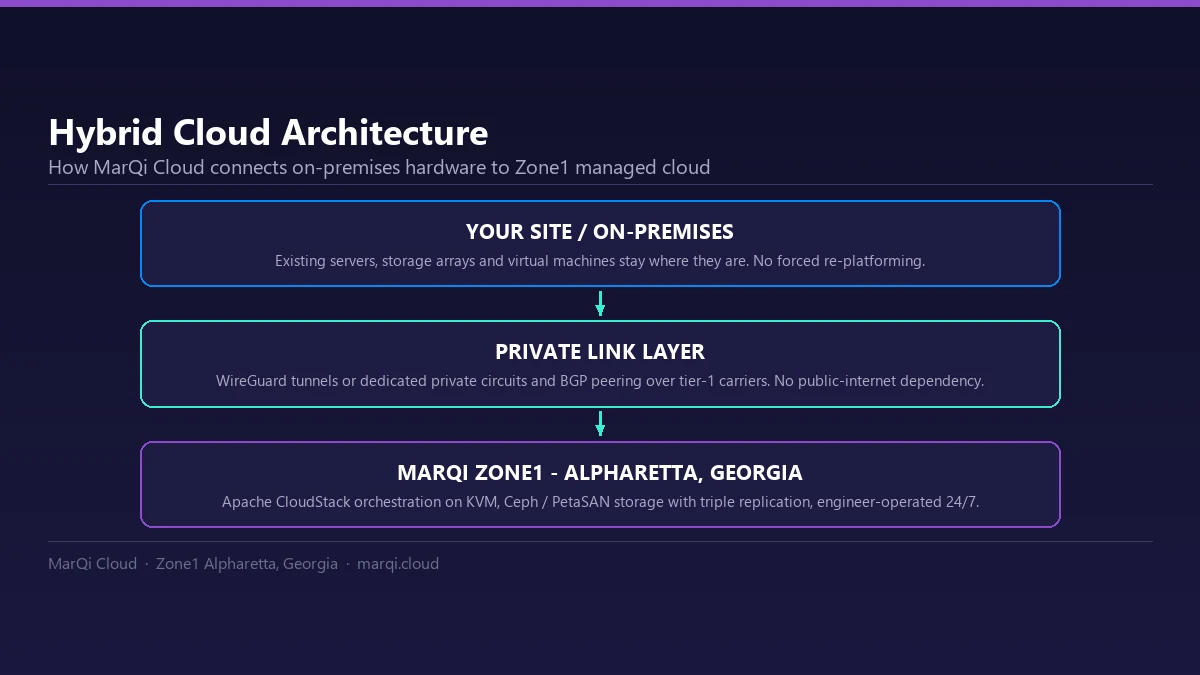
The Complete Guide to Hybrid Cloud Network Design with On-Premise Integration
September 4, 2026
Why Cloud Network Performance Testing is Crucial for Infrastructure Evaluation
In today’s highly competitive business landscape, organizations are leveraging cloud solutions to enhance efficiency, scalability, and resilience. However, many enterprises overlook a critical aspect of their cloud strategy: cloud network performance testing. This process is essential for ensuring that your cloud infrastructure can meet the demands of your business operations. In this article, we will explore why cloud network performance testing should be a fundamental part of your infrastructure evaluation, its benefits, and best practices for implementation.
Understanding Cloud Network Performance
Cloud network performance refers to the ability of cloud infrastructure to deliver services efficiently and reliably. It encompasses various factors including latency, bandwidth, throughput, and error rates. A well-performing cloud network is crucial for ensuring that applications run smoothly and users experience minimal disruptions.
Performance issues can lead to significant business impacts, including customer dissatisfaction, increased operational costs, and potential revenue loss. As organizations increasingly rely on cloud services for mission-critical applications, understanding and optimizing network performance becomes paramount.
The Importance of Cloud Network Performance Testing
Cloud network performance testing is the process of systematically evaluating the performance of cloud services and infrastructure under various conditions. Here’s why it should be an integral part of your infrastructure evaluation:
- 1. Identify Bottlenecks: Performance testing helps identify potential bottlenecks that can hinder application performance. By understanding where these bottlenecks occur, you can take proactive measures to address them.
- 2. Optimize Resource Allocation: Testing enables you to optimize resource allocation, ensuring that your cloud infrastructure can scale efficiently based on demand.
- 3. Enhance User Experience: A well-tested cloud network leads to improved application performance, resulting in a better user experience and higher customer satisfaction.
- 4. Validate SLAs: Performance testing helps validate Service Level Agreements (SLAs) with cloud providers, ensuring that they meet the promised performance metrics.
- 5. Support Business Continuity: Regular testing allows organizations to ensure their cloud infrastructure can handle unexpected spikes in traffic, supporting business continuity and disaster recovery plans.
Key Metrics for Performance Testing
When conducting cloud network performance testing, it is essential to measure the right metrics to gain insights into your infrastructure’s performance. Here are some key metrics to consider:
| Metric | Description | Importance |
|---|---|---|
| Latency | The time it takes for data to travel from the source to the destination. | Lower latency leads to faster application response times. |
| Throughput | The amount of data transmitted successfully over a network in a given time frame. | Higher throughput indicates better network performance. |
| Packet Loss | The percentage of packets that are lost during transmission. | Minimizing packet loss is crucial for maintaining data integrity. |
| Jitter | The variability in packet arrival times. | Low jitter is essential for real-time applications, such as video conferencing. |
| Error Rate | The frequency of errors that occur during data transmission. | A lower error rate indicates a more reliable network. |
Best Practices for Cloud Network Performance Testing
Implementing effective cloud network performance testing requires a strategic approach. Here are some best practices to consider:
- Define Clear Objectives: Before conducting tests, define what you want to achieve. Are you testing for latency, throughput, or overall user experience?
- Simulate Real-World Conditions: Use load testing tools to simulate real-world traffic conditions. This will provide insights into how your cloud infrastructure performs under load.
- Conduct Regular Testing: Make performance testing a regular part of your cloud strategy. This helps identify issues before they impact users.
- Analyze Results Thoroughly: After testing, analyze the results to identify trends and areas for improvement. Use these insights to optimize your infrastructure.
- Incorporate Feedback: Gather feedback from users to understand their experiences. This qualitative data can complement your performance metrics.
Tools for Performance Testing
Various tools can assist in cloud network performance testing. Here are some popular options:
- Apache JMeter: An open-source tool that allows you to load test and measure performance across various protocols.
- LoadRunner: A powerful performance testing tool that simulates thousands of users to test application performance.
- Gatling: A modern load testing tool designed for ease of use and high performance.
- PingPlotter: A network performance monitoring tool that visualizes network latency and packet loss.
- NetStress: A network performance testing tool that can generate traffic to test the performance of your network.
Example Scenarios: Performance Testing in Practice
The scenarios below are illustrative examples of how organizations typically apply these practices; they do not describe specific MarQi Cloud customers or measured results.
Example Scenario 1: E-commerce Platform
An e-commerce platform experienced significant slowdowns during peak shopping seasons. By implementing cloud network performance testing, they identified bottlenecks in their payment processing system. After optimizing their infrastructure based on testing results, they improved transaction speeds, resulting in an increase in sales during peak periods.
Example Scenario 2: SaaS Application
A SaaS provider noticed an uptick in customer complaints regarding application performance. They conducted performance testing and discovered that latency issues were prevalent during peak usage times. By reallocating resources and optimizing their cloud configuration, they reduced latency, substantially improving user satisfaction.
Conclusion
Cloud network performance testing is not just a technical requirement; it is a strategic necessity for organizations leveraging cloud solutions. By identifying bottlenecks, optimizing resource allocation, and enhancing user experience, performance testing can significantly impact your business’s bottom line. As you evaluate your cloud infrastructure, make sure cloud network performance testing is a key component of your strategy.
For organizations looking to enhance their cloud performance, MarQi Cloud offers enterprise-grade cloud infrastructure and hybrid cloud deployment models tailored to your specific needs. Contact us today to learn more about how we can help you optimize your cloud strategy.
Frequently Asked Questions
What is cloud network performance testing?
Cloud network performance testing involves evaluating the performance of cloud services and infrastructure to identify issues and optimize performance.
Why is performance testing important for cloud services?
It helps identify bottlenecks, optimize resource allocation, enhance user experience, and validate SLAs with cloud providers.
What key metrics should I focus on during performance testing?
Focus on metrics such as latency, throughput, packet loss, jitter, and error rate.
How often should I conduct performance testing?
Regular testing is recommended, particularly before major updates or during peak business periods.
What tools can I use for cloud network performance testing?
Popular tools include Apache JMeter, LoadRunner, Gatling, and PingPlotter.
Can performance testing improve user experience?
Yes, by identifying and resolving performance issues, you can significantly enhance user satisfaction.
How does performance testing support business continuity?
It ensures your cloud infrastructure can handle unexpected spikes in traffic, thus supporting business continuity plans.
What should I do with the results of performance testing?
Analyze the results to identify trends, areas for improvement, and implement necessary optimizations.