Why Cloud Network Performance Testing is Crucial for Infrastructure Evaluation
September 4, 2026
Ultimate Guide: Evaluating Your Cloud Provider for Long-Term Success
September 4, 2026
The Complete Guide to Hybrid Cloud Network Design with On-Premise Integration
In today’s digital landscape, organizations are increasingly adopting hybrid cloud solutions to optimize their infrastructure. A hybrid cloud network design integrates on-premise resources with cloud services, providing flexibility, scalability, and enhanced performance. In this comprehensive guide, we will explore the essential elements of hybrid cloud network design, the benefits of on-premise integration, and actionable strategies to implement an effective hybrid cloud strategy. By the end of this article, you will have the knowledge needed to leverage hybrid cloud solutions to meet your organization’s unique needs.
Understanding Hybrid Cloud
A hybrid cloud is a computing environment that combines private and public cloud services with on-premise infrastructure. This architecture enables organizations to take advantage of the scalability and efficiency of cloud services while maintaining control over sensitive data and critical applications. According to a report by Gartner, 75% of organizations will adopt hybrid cloud by 2022, making it a vital strategy for modern enterprises.
Benefits of Hybrid Cloud Network Design
Implementing a hybrid cloud network design offers numerous advantages:
- Scalability: Easily scale resources up or down based on demand without significant capital investment.
- Cost Efficiency: Optimize costs by utilizing public cloud resources for non-sensitive workloads while keeping critical applications on-premise.
- Flexibility: Quickly adapt to changing business needs and workloads.
- Enhanced Performance: Leverage cloud resources to improve application performance and reduce latency.
- Business Continuity: Ensure disaster recovery and backup solutions are in place, allowing for seamless operations during outages.
Key Components of Hybrid Cloud Network Design
A successful hybrid cloud network design consists of several key components:
1. Cloud Service Provider (CSP)
Selecting the right cloud service provider is critical. Look for providers that offer robust services, compliance with industry standards, and excellent support. MarQi Cloud, for instance, specializes in enterprise-grade cloud infrastructure and hybrid cloud solutions, ensuring a seamless integration of on-premise and cloud resources.
2. Network Architecture
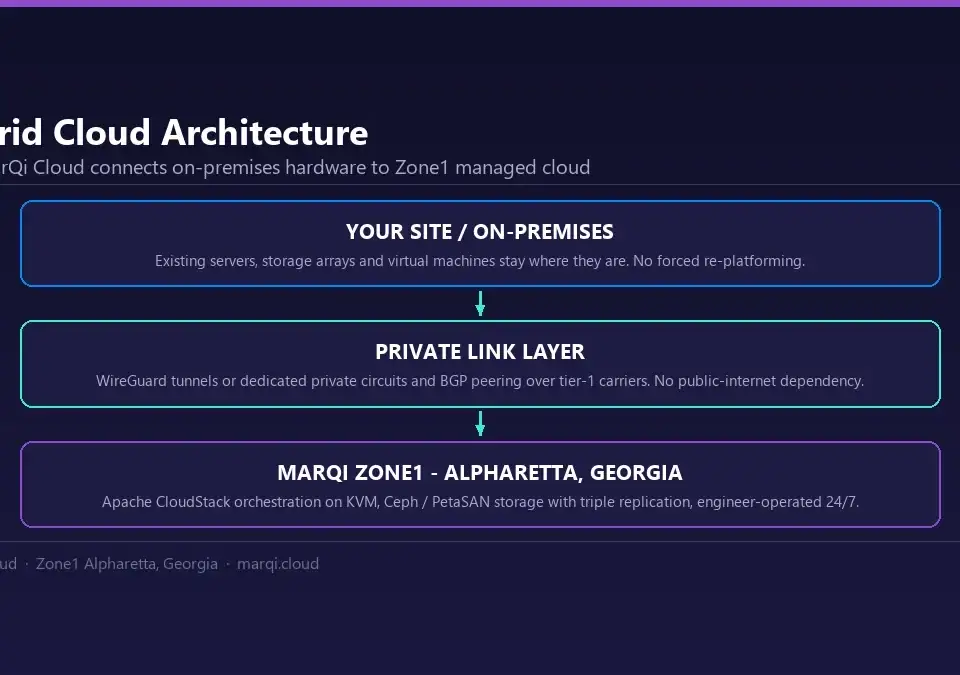
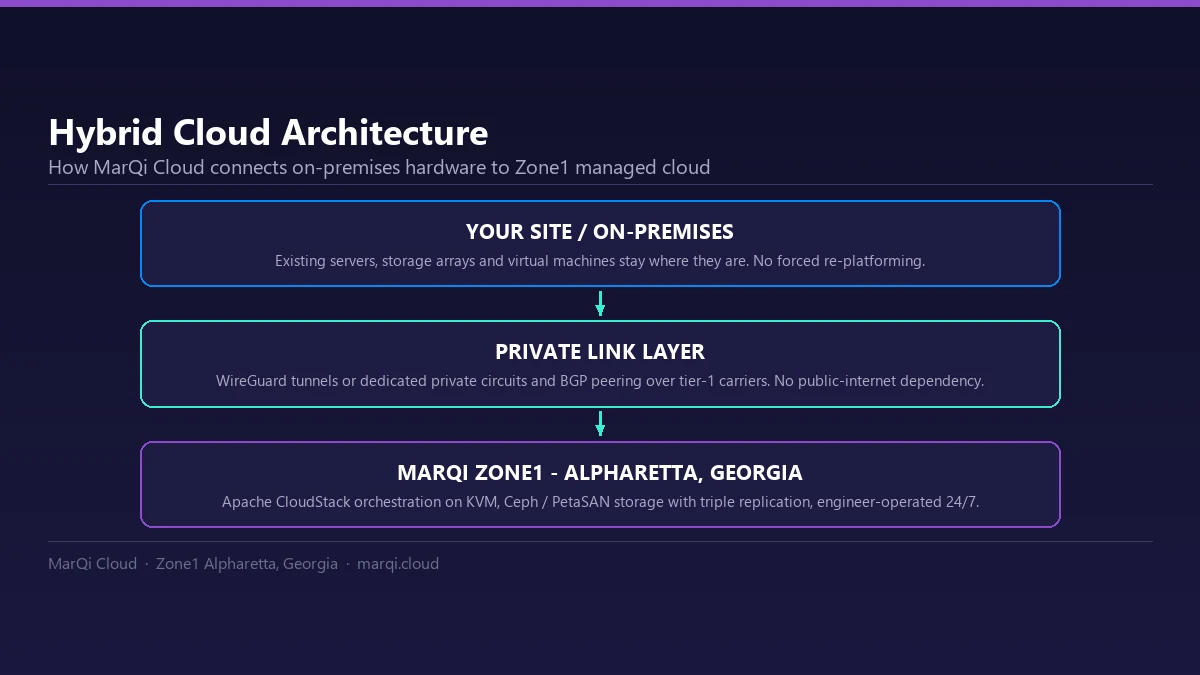
Design an efficient network architecture that facilitates communication between on-premise systems and cloud services. This includes:
- Direct Connections: Utilize private circuits and peering to enhance security and performance between on-premise environments and cloud resources.
- Virtual Private Networks (VPNs): Implement secure VPN connections for encrypted data transmission over the internet.
3. Data Management
Data management strategies should address data storage, governance, and compliance. Implement a unified data management platform that allows for seamless data movement between on-premise and cloud environments.
4. Security Solutions
Security is paramount in hybrid cloud environments. Implement multi-layered security measures, including firewalls, intrusion detection systems, and encryption protocols, to safeguard sensitive data.
On-Premise Integration Strategies
Integrating on-premise infrastructure with cloud services requires careful planning and execution. Here are effective strategies for successful on-premise integration:
1. Assess Current Infrastructure
Evaluate your existing on-premise infrastructure to identify applications and workloads suitable for migration to the cloud. This assessment will help you determine the best hybrid cloud architecture for your organization.
2. Develop a Migration Plan
Create a detailed migration plan that outlines the steps for integrating on-premise systems with cloud services. This plan should include:
- Identifying workloads for migration
- Testing and validating cloud services
- Establishing timelines and milestones
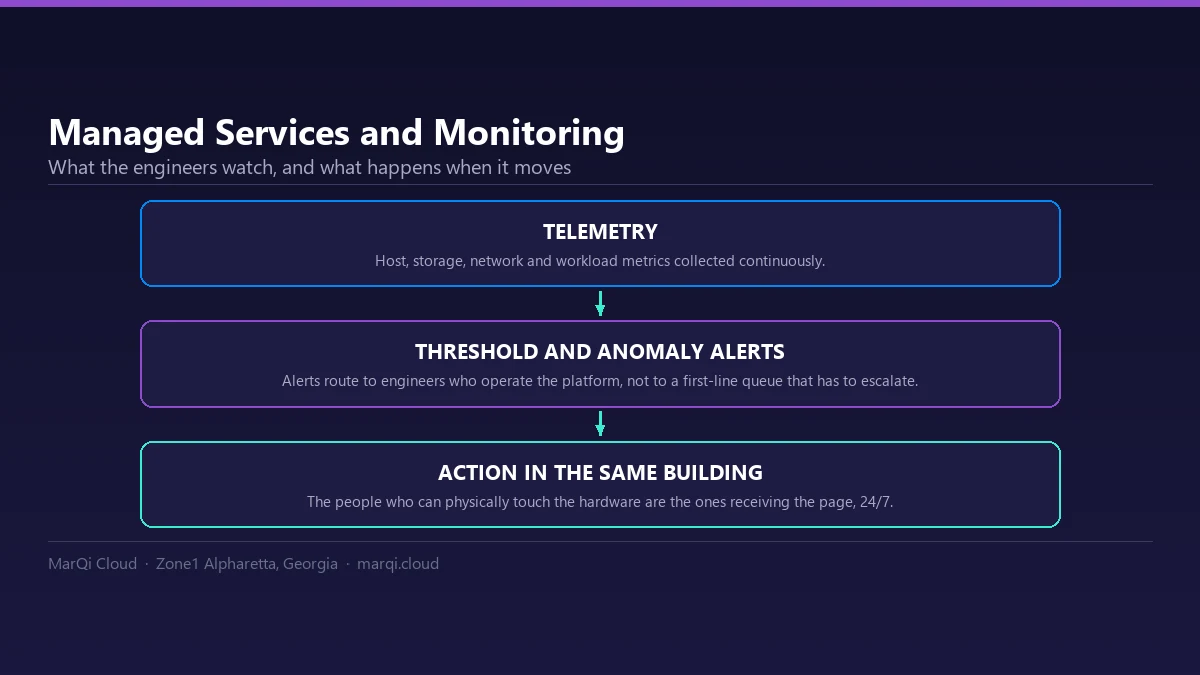
3. Implement Continuous Monitoring
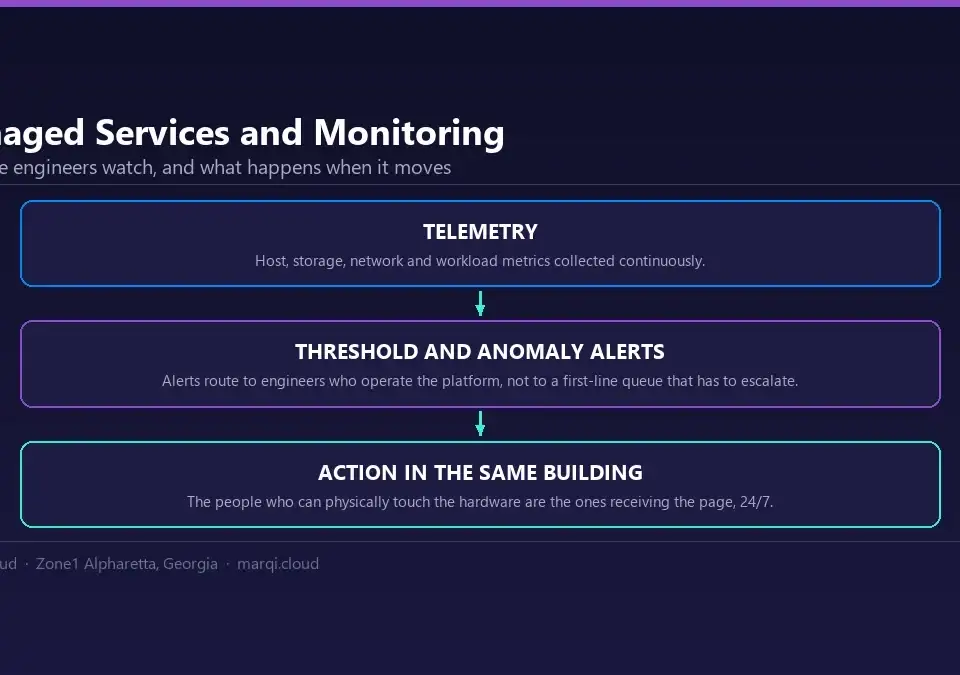
Utilize monitoring tools to continuously assess the performance and security of both on-premise and cloud environments. This proactive approach helps identify potential issues before they escalate.
4. Optimize Performance
Regularly review and optimize the performance of your hybrid cloud network. This includes adjusting resource allocation, enhancing network configurations, and fine-tuning applications for better efficiency.
Security Considerations in Hybrid Cloud
Security is a critical aspect of hybrid cloud network design. Consider the following security measures:
- Data Encryption: Always encrypt sensitive data both in transit and at rest to prevent unauthorized access.
- Access Control: Implement strict access controls to ensure only authorized personnel can access sensitive data and systems.
- Regular Audits: Conduct regular security audits and compliance checks to identify vulnerabilities and ensure adherence to regulations.
- Incident Response Plan: Develop a comprehensive incident response plan to address potential security breaches swiftly and effectively.
Best Practices for Hybrid Cloud Network Design
To maximize the benefits of your hybrid cloud network design, follow these best practices:
- Choose the Right Architecture: Select an architecture that aligns with your business goals and technical requirements. Consider factors such as latency, data sovereignty, and compliance.
- Involve Stakeholders: Engage key stakeholders from IT, security, and business units to ensure a well-rounded approach to hybrid cloud design.
- Prioritize Training: Provide training for your IT team to ensure they are well-versed in hybrid cloud technologies and best practices.
- Leverage Automation: Utilize automation tools to streamline processes, improve efficiency, and reduce the risk of human error.
Case Studies: Successful Hybrid Cloud Implementations
Here are some examples of organizations that successfully implemented hybrid cloud solutions:
1. Healthcare Organization
A leading healthcare provider integrated its on-premise electronic health record (EHR) system with a public cloud platform to enhance data accessibility and collaboration among healthcare professionals. This hybrid solution improved patient care while ensuring compliance with HIPAA regulations.
2. E-Commerce Company
An e-commerce company leveraged a hybrid cloud solution to manage fluctuating traffic during peak shopping seasons. By utilizing cloud resources for additional capacity, the company maintained optimal performance and avoided downtime, leading to increased sales during critical periods.
Frequently Asked Questions
What is a hybrid cloud network design?
A hybrid cloud network design combines on-premise infrastructure with public and private cloud services, allowing organizations to optimize their IT resources.
What are the benefits of integrating on-premise systems with cloud services?
Integrating on-premise systems with cloud services provides scalability, cost efficiency, enhanced performance, and improved business continuity.
How do I choose a cloud service provider?
When selecting a cloud service provider, consider factors such as service offerings, compliance, support, and pricing.
What security measures should I implement in a hybrid cloud environment?
Implement data encryption, access controls, regular audits, and an incident response plan to secure your hybrid cloud environment.
How can I optimize the performance of my hybrid cloud network?
Regularly review resource allocation, enhance network configurations, and fine-tune applications to optimize performance.
What are the best practices for hybrid cloud network design?
Choose the right architecture, involve stakeholders, prioritize training, and leverage automation to ensure successful hybrid cloud implementations.
How can I ensure compliance in a hybrid cloud environment?
Conduct regular compliance checks, maintain strict access controls, and ensure data encryption to adhere to regulatory requirements.
Can I migrate all my on-premise applications to the cloud?
Not all applications are suitable for migration. Evaluate each application’s requirements and assess whether it is better suited for on-premise or cloud environments.