The Complete Guide to Cloud VPN Architecture for Secure Remote Access
September 2, 2026
Why Redundant Network Paths Are Essential for Enterprise Cloud Availability
September 2, 2026
Ultimate Guide: How Cloud Network Monitoring Tools Identify Latency and Throughput Issues
In today’s digital landscape, organizations increasingly rely on cloud infrastructure to host critical applications and services. As businesses expand their reliance on cloud services, understanding the performance of these networks becomes essential. One key aspect of this performance is latency—essentially the delay before a transfer of data begins following an instruction for its transfer—and throughput, which measures how much data can be transferred in a given time period. Cloud network monitoring tools play a crucial role in identifying latency and throughput issues, ensuring that enterprises can maintain optimal performance and user satisfaction. In this comprehensive guide, we will explore how these tools operate, the metrics they track, and the strategies organizations can use to address latency and throughput challenges effectively.
Understanding Latency and Throughput
Latency and throughput are two fundamental metrics that define the performance of any network, particularly in cloud environments. Latency is the time it takes for a data packet to travel from its source to its destination and back again. This is usually measured in milliseconds (ms). Throughput, on the other hand, refers to the amount of data that can be processed in a given time frame, usually measured in bits per second (bps). For instance, a network with high throughput but high latency can lead to delays in data processing, while low throughput can hinder an organization’s ability to handle multiple transactions simultaneously.
Importance of Cloud Network Monitoring
Effective cloud network monitoring is vital for several reasons:
- Performance Optimization: Continuous monitoring helps identify bottlenecks and inefficiencies in network performance, allowing for timely interventions.
- Cost Management: By monitoring network usage, organizations can optimize their cloud spending, avoiding unnecessary costs associated with over-provisioning resources.
- Enhanced Security: Monitoring tools can detect unusual traffic patterns that may indicate security threats, enabling swift action to protect sensitive data.
- Improved User Experience: Reducing latency and optimizing throughput directly enhance the user experience, leading to higher satisfaction and retention rates.
How Cloud Network Monitoring Tools Work
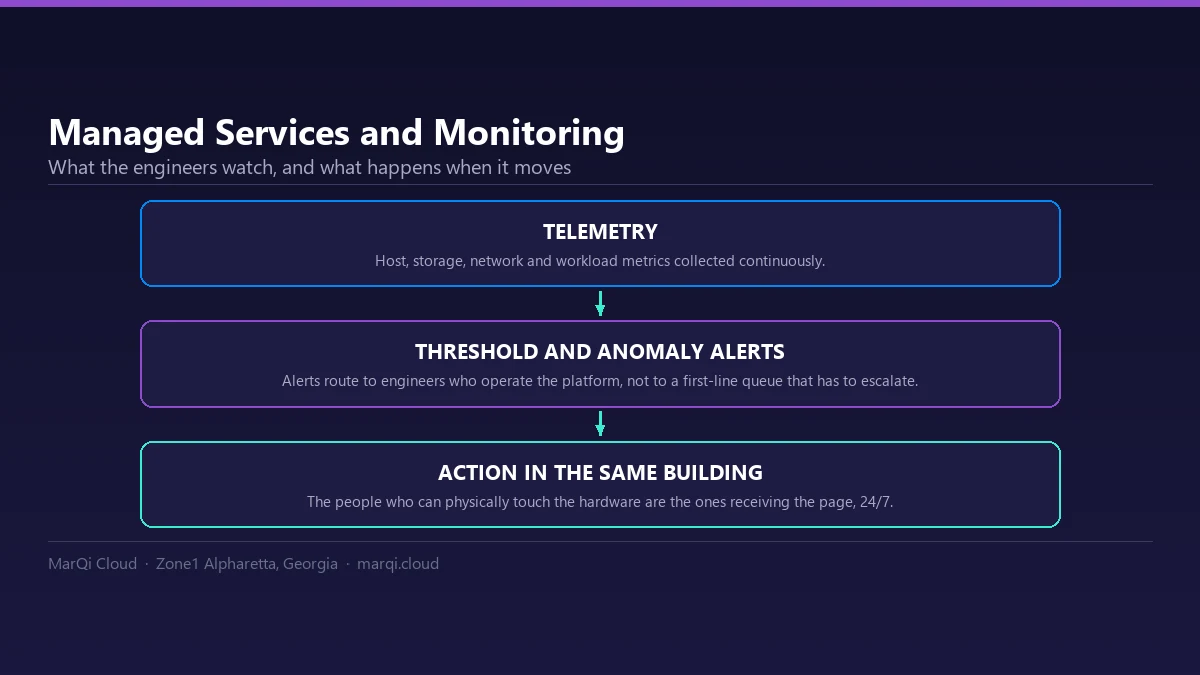
Cloud network monitoring tools function by collecting data from various points in the network, analyzing that data, and providing insights into performance metrics. Here’s how they typically work:
- Data Collection: Monitoring tools gather data from network devices, servers, and applications. This can include packet data, connection times, and error rates.
- Data Analysis: The collected data is analyzed to identify trends, anomalies, and performance issues. Algorithms may be used to correlate different metrics and provide a comprehensive view of network health.
- Alerting and Reporting: When latency or throughput issues are detected, monitoring tools alert IT teams, providing them with actionable insights to resolve these issues. Reports can be generated for further analysis and strategy development.
- Continuous Improvement: Organizations can use the insights gained from monitoring to implement changes, optimize configurations, and improve overall network performance.
Key Metrics to Monitor
To effectively manage latency and throughput, organizations should monitor the following key metrics:
| Metric | Description | Importance |
|---|---|---|
| Round-Trip Time (RTT) | Measures the time taken for a data packet to travel to the destination and back. | Indicates latency in the network. |
| Packet Loss | The percentage of packets that are lost during transmission. | High packet loss can lead to delays and reduced throughput. |
| Bandwidth | The maximum rate of data transfer across a network path. | Directly impacts throughput. |
| Latency | The time it takes for a data packet to reach its destination. | Critical for real-time applications. |
| Throughput | The actual rate of successful data transfer over the network. | Reflects the effective performance of the network. |
Common Latency Issues and Their Solutions
Latency can be caused by a variety of factors, including network congestion, poor routing, and inadequate bandwidth. Here are some common latency issues and their solutions:
- Network Congestion: When too many users are accessing the network simultaneously, it can lead to congestion and increased latency. Solution: Implement quality of service (QoS) policies to prioritize critical traffic.
- Routing Issues: Inefficient routing can increase the distance data must travel, leading to higher latency. Solution: Use network monitoring tools to identify and optimize routing paths.
- Latency from Geographical Distance: The physical distance between the user and the server can contribute to latency. Solution: Utilize a hybrid cloud infrastructure to place resources closer to users.
- Insufficient Bandwidth: Limited bandwidth can cause data to be queued, increasing latency. Solution: Upgrade bandwidth or implement load balancing.
Throughput Issues and How to Resolve Them
Throughput issues can result from various factors, including network configuration, hardware limitations, and external interference. Here’s how to address them:
- Network Configuration: Poorly configured networks can lead to suboptimal throughput. Solution: Regularly review and optimize network settings using insights from monitoring tools.
- Hardware Limitations: Outdated or underpowered hardware can bottleneck throughput. Solution: Invest in upgraded hardware that meets the demands of your applications.
- External Interference: Factors like electromagnetic interference can affect network performance. Solution: Use shielded cables and ensure proper installation of networking equipment.
- Protocol Overhead: Certain protocols can introduce overhead that reduces throughput. Solution: Evaluate and optimize the use of protocols in your network.
Best Practices for Using Cloud Network Monitoring Tools
To maximize the effectiveness of cloud network monitoring tools, organizations should adopt the following best practices:
- Define Clear Objectives: Establish specific goals for what you want to monitor and achieve with your network monitoring efforts.
- Regularly Review Metrics: Continuously analyze the collected data to identify trends and areas for improvement.
- Integrate with Other Tools: Combine network monitoring with other IT management tools for a holistic view of performance.
- Train Your Team: Ensure that your IT team is well-versed in using monitoring tools and interpreting the data they produce.
- Implement Automated Alerts: Set up automated notifications for critical performance issues to ensure prompt responses.
Conclusion
Cloud network monitoring tools are indispensable for identifying latency and throughput issues that can impact organizational performance. By understanding the metrics involved and implementing best practices, businesses can enhance their network performance, optimize resource allocation, and improve overall user satisfaction. As enterprise clients increasingly rely on hybrid cloud solutions, the ability to effectively monitor and manage network performance will remain a critical component of successful operations. For organizations looking to implement or enhance their cloud network monitoring strategies, MarQi Cloud offers enterprise-grade cloud infrastructure and secure hosting solutions tailored to meet the needs of growing businesses.
FAQ
What is cloud network monitoring?
Cloud network monitoring involves tracking and analyzing the performance of cloud-based networks to ensure optimal functioning and identify issues such as latency and throughput problems.
Why is latency important in cloud networks?
Latency is important because it affects the speed at which data is transmitted. High latency can lead to delays in application performance, impacting user experience.
How can I reduce latency in my cloud network?
To reduce latency, consider optimizing routing paths, implementing quality of service (QoS) policies, and utilizing hybrid cloud solutions to bring resources closer to users.
What tools can help monitor cloud network performance?
Tools such as network performance monitors (NPMs), cloud management platforms, and application performance monitoring (APM) tools can help monitor and analyze cloud network performance.
What are the signs of throughput issues?
Signs of throughput issues include slow data transfer rates, high packet loss, and delays in application response times.
How can I improve throughput in my cloud network?
Improving throughput can involve upgrading network hardware, optimizing network configurations, and ensuring sufficient bandwidth for your applications.
What metrics should I monitor in a cloud network?
Key metrics to monitor include latency, throughput, packet loss, round-trip time (RTT), and bandwidth usage.
How often should I review my cloud network performance?
Regular reviews are essential; ideally, you should analyze cloud network performance daily or weekly, depending on your organization’s needs.