Why BGP Routing Optimization Enhances Multi-Provider Cloud Network Performance
September 2, 2026
Ultimate Guide: How Cloud Network Monitoring Tools Identify Latency and Throughput Issues
September 2, 2026
The Complete Guide to Cloud VPN Architecture for Secure Remote Access
In today’s digital landscape, where remote work is becoming the norm, the need for secure remote access has never been more critical. Cloud Virtual Private Network (VPN) architecture plays a pivotal role in providing businesses the ability to connect securely over the internet, safeguarding sensitive data from potential threats. This comprehensive guide will delve into the nuances of cloud VPN architecture, its benefits, implementation strategies, and best practices for ensuring secure remote access.
What is Cloud VPN?
A Cloud VPN (Virtual Private Network) is a service that allows users to connect securely to a private network over the internet. Unlike traditional VPNs that rely on dedicated hardware and infrastructure, cloud VPN solutions leverage cloud computing environments to create secure communication channels. This flexibility provides organizations with the ability to scale their VPN infrastructure quickly and efficiently.
Cloud VPNs encrypt data transmitted between remote users and the corporate network, ensuring that sensitive information remains protected against eavesdropping and unauthorized access. This is particularly crucial for businesses operating in industries where compliance and data privacy are paramount.
Benefits of Cloud VPN
Implementing a cloud VPN solution offers numerous advantages, including:
- Scalability: Cloud VPNs can easily scale to accommodate growing user bases without the need for significant hardware investments.
- Cost-Effectiveness: By utilizing cloud infrastructure, organizations can reduce operational costs associated with maintaining physical VPN hardware.
- Flexibility: Remote employees can access company resources from anywhere with an internet connection, enhancing productivity.
- Enhanced Security: Strong encryption protocols protect sensitive data, while features like multi-factor authentication add an extra layer of security.
- Improved Compliance: Many cloud VPN providers adhere to industry standards and regulations, ensuring that organizations remain compliant with data protection laws.
How Cloud VPN Architecture Works
The architecture of a cloud VPN typically consists of multiple components working together to facilitate secure communication. The primary elements include:
- Client Software: Users install VPN client applications on their devices, which connect to the cloud VPN service.
- VPN Gateway: A cloud-based VPN gateway acts as the entry point for remote users, managing the encryption and decryption of data.
- Encryption Protocols: Various protocols (such as OpenVPN, L2TP/IPsec, and IKEv2) are used to secure data in transit.
- Authentication Mechanisms: User authentication is essential for ensuring that only authorized personnel can access the network.
Components of Cloud VPN Architecture
Understanding the components of cloud VPN architecture is crucial for effective deployment and management. Here are the key components:
| Component | Description |
|---|---|
| VPN Client | Software installed on user devices to connect to the VPN. |
| VPN Gateway | Cloud-based service that manages user connections and data encryption. |
| Encryption Protocols | Methods used to secure data, ensuring confidentiality and integrity. |
| Authentication Server | Verifies user identities before granting access to the network. |
| Logging and Monitoring Tools | Tools for tracking VPN usage and detecting potential security threats. |
Cloud VPN Deployment Models
Organizations can choose from several deployment models for their cloud VPN solutions:
- Public Cloud VPN: A cost-effective solution where the VPN service is hosted on a public cloud infrastructure. Ideal for small to medium-sized businesses.
- Private Cloud VPN: A dedicated VPN service hosted on private cloud infrastructure, offering enhanced security and control. Suitable for enterprises with strict compliance requirements.
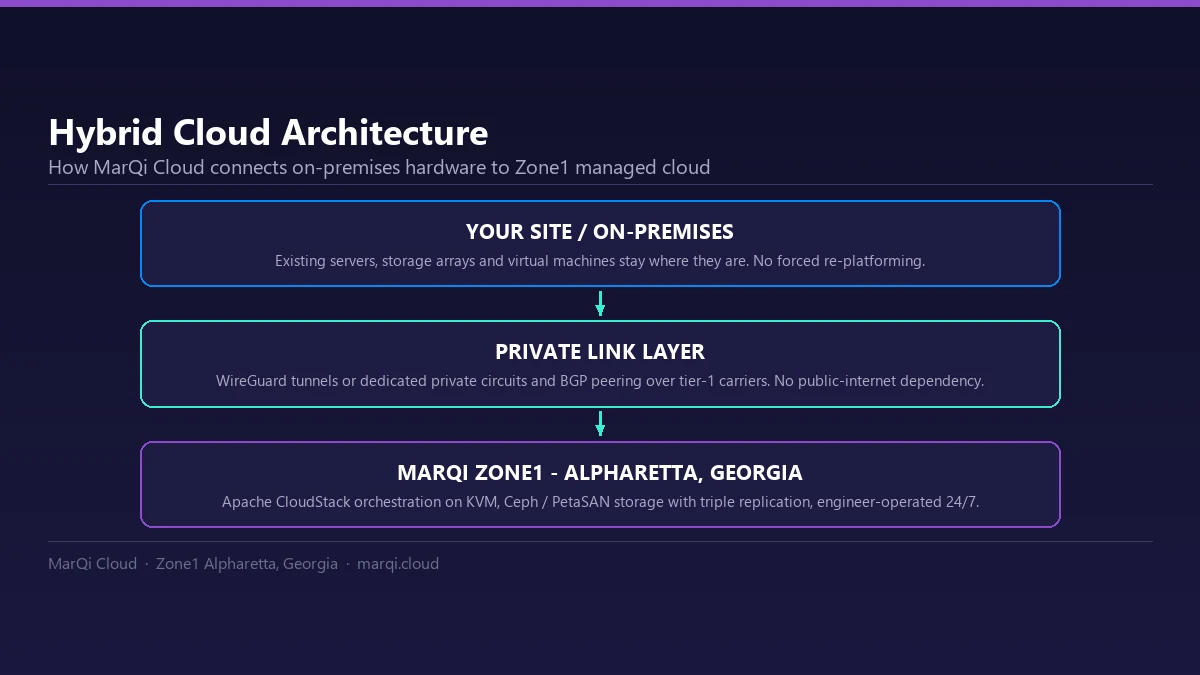
- Hybrid Cloud VPN: Combines both public and private cloud resources, allowing businesses to leverage the benefits of both models.
Implementing a Cloud VPN Solution
Implementing a cloud VPN involves a step-by-step approach:
- Assess Requirements: Determine the specific needs of your organization, including user numbers, security requirements, and compliance standards.
- Select a Provider: Choose a reputable cloud VPN provider that aligns with your needs. Look for features like strong encryption, logging capabilities, and customer support.
- Configure the VPN: Set up the VPN gateway and client configurations. Ensure that encryption protocols and authentication mechanisms are correctly implemented.
- Test the Connection: Conduct thorough testing to ensure that remote users can connect seamlessly and securely.
- Train Users: Provide training for employees on how to use the VPN effectively and securely.
- Monitor and Maintain: Regularly monitor VPN usage and performance. Update security protocols as needed to address emerging threats.
Best Practices for Cloud VPN Security
To maximize the security of your cloud VPN, consider the following best practices:
- Use Strong Encryption: Always opt for robust encryption protocols (e.g., AES-256) to protect data in transit.
- Implement Multi-Factor Authentication: Adding an extra layer of security can significantly reduce the risk of unauthorized access.
- Regularly Update Software: Keep all VPN software and client applications up to date to protect against vulnerabilities.
- Monitor VPN Activity: Use logging and monitoring tools to track user activity and detect anomalies.
- Conduct Regular Audits: Evaluate your cloud VPN setup periodically to ensure compliance with security standards.
Cloud VPN vs. Traditional VPN
Understanding the differences between cloud VPN and traditional VPN solutions can help organizations make informed decisions:
| Aspect | Cloud VPN | Traditional VPN |
|---|---|---|
| Infrastructure | Hosted in the cloud | On-premises hardware |
| Scalability | Highly scalable | Limited by hardware |
| Cost | Pay-as-you-go model | High upfront costs |
| Management | Managed by the provider | Requires in-house IT management |
In conclusion, cloud VPN architecture is a vital component for securing remote access in today’s business environment. By understanding its components, benefits, and best practices, organizations can effectively implement a cloud VPN solution that enhances security and productivity for their remote workforce.
Frequently Asked Questions
1. What is a cloud VPN?
A cloud VPN is a service that allows users to connect securely to a private network over the internet, leveraging cloud infrastructure for enhanced flexibility and scalability.
2. How does cloud VPN work?
Cloud VPN works by encrypting data transmitted between remote users and the corporate network, using secure protocols to protect sensitive information.
3. What are the benefits of using a cloud VPN?
Benefits include scalability, cost-effectiveness, flexibility, enhanced security, and improved compliance with data protection regulations.
4. How do I implement a cloud VPN?
Implementing a cloud VPN involves assessing requirements, selecting a provider, configuring the VPN, testing the connection, training users, and ongoing monitoring.
5. What encryption protocols are used in cloud VPNs?
Common encryption protocols include OpenVPN, L2TP/IPsec, and IKEv2, which secure data during transmission.
6. Can cloud VPNs support remote work?
Yes, cloud VPNs are designed to provide secure remote access for employees, enhancing productivity while safeguarding sensitive data.
7. How does a cloud VPN differ from a traditional VPN?
Cloud VPNs are hosted in the cloud and offer scalability and cost-effectiveness, while traditional VPNs rely on on-premises hardware and require more management.
8. What are best practices for cloud VPN security?
Best practices include using strong encryption, implementing multi-factor authentication, regularly updating software, monitoring activity, and conducting audits.