How Enterprises Scale Faster with Cloud Native Development Services
March 6, 2026
SQL Server on Private Cloud: Licensing, Performance, and Architecture Tips
March 6, 2026
Database Hosting in the Cloud: HA Patterns for PostgreSQL and SQL Server
In the modern digital landscape, businesses are increasingly turning to cloud computing for their database hosting needs. This shift is driven by the demand for scalability, reliability, and efficient management of data. Among various database management systems, PostgreSQL and SQL Server stand out as robust choices for enterprises looking to host their databases in the cloud. This article delves into the high availability (HA) patterns that can be implemented for PostgreSQL and SQL Server in a cloud environment, ensuring that your business operations remain uninterrupted and resilient.
Understanding Database Hosting in the Cloud
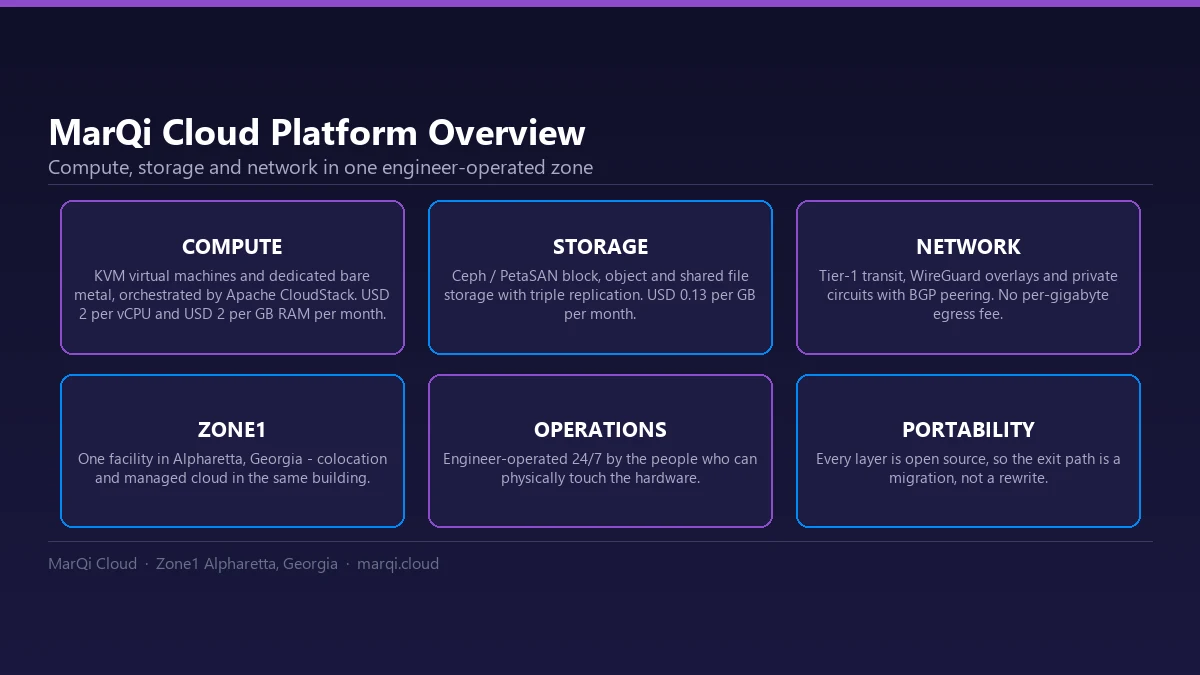
Database hosting in the cloud refers to the deployment of database management systems on cloud infrastructure. This model allows businesses to leverage the benefits of cloud computing, such as flexibility, cost-effectiveness, and improved performance. Companies like MarQi Cloud offer enterprise-grade cloud infrastructure that supports various database technologies, including PostgreSQL and SQL Server.
Advantages of Cloud Database Hosting
- Scalability: Cloud-based databases can quickly scale resources up or down based on demand, ensuring optimal performance at all times.
- Cost-Efficiency: Companies can benefit from flexible pricing models, allowing them to pay only for the resources they use.
- Accessibility: Cloud databases can be accessed from anywhere, making remote work and collaboration easier than ever.
- Security: Providers like MarQi Cloud offer private and secure hosting environments to protect sensitive data.
High Availability Patterns for PostgreSQL
High availability (HA) is a critical aspect of database management that ensures the database remains accessible even in the event of failures. For PostgreSQL, several HA patterns can be implemented:
1. Streaming Replication
Streaming replication is a popular method for achieving HA in PostgreSQL. It involves creating a primary database server that sends updates to one or more standby servers in real-time. In the event of a failure of the primary server, one of the standby servers can be promoted to become the new primary, minimizing downtime.
2. Logical Replication
Logical replication allows for more granular control over the data being replicated. It can be used to replicate specific tables or databases rather than the entire database. This method is beneficial for scenarios where selective data replication is required.
3. Failover Clustering
Failover clustering involves grouping multiple PostgreSQL servers into a cluster. If one server fails, the cluster automatically redirects traffic to another server in the group. This pattern enhances availability and ensures that applications remain operational.
High Availability Patterns for SQL Server
SQL Server also offers robust HA solutions that can be effectively utilized in the cloud. Here are some key patterns:
1. Always On Availability Groups
Always On Availability Groups is a feature in SQL Server that provides high availability and disaster recovery solutions. It allows multiple databases to be grouped together, enabling failover capabilities. This pattern supports both synchronous and asynchronous replication, ensuring data remains consistent even during outages.
2. Database Mirroring
Database mirroring is a technique used to maintain two copies of a database in different locations. This method can be configured for high safety, which provides synchronous data transfer, or high performance, which allows asynchronous data transfer. In the event of a failure, the mirrored database can take over with minimal disruption.
3. Failover Clustering
Similar to PostgreSQL, SQL Server can also implement failover clustering. This pattern involves multiple SQL Server instances working together to provide a single service. If one instance fails, another instance takes over, ensuring continuous availability.
Comparative Analysis: PostgreSQL vs. SQL Server
When choosing between PostgreSQL and SQL Server for cloud database hosting, it’s essential to consider several factors:
1. Cost
PostgreSQL is open-source and free to use, making it a cost-effective option for organizations on a budget. In contrast, SQL Server requires licensing fees, which can add to the overall cost of ownership.
2. Performance
Both databases offer excellent performance, but the choice largely depends on specific use cases. PostgreSQL is known for handling complex queries and large datasets efficiently, while SQL Server excels in transaction processing.
3. Community Support
PostgreSQL benefits from a large community of developers contributing to its continuous improvement. SQL Server, being a product of Microsoft, has robust support options, including extensive documentation and customer support services.
Implementing HA Patterns in the Cloud
To successfully implement HA patterns for PostgreSQL and SQL Server in a cloud environment, consider the following best practices:
1. Choose the Right Cloud Provider
Selecting a cloud provider that offers robust infrastructure and support is crucial. Companies like MarQi Cloud provide US-based infrastructure and performance-driven design, ensuring optimal database performance and reliability.
2. Plan for Disaster Recovery
Establish a comprehensive disaster recovery plan that includes regular backups, failover strategies, and testing procedures. This ensures that your data is protected and can be restored quickly in the event of a failure.
3. Monitor Performance
Implement monitoring tools to track the performance of your databases. This helps identify potential issues before they become critical and ensures that your HA strategies are effective.
Conclusion
Database hosting in the cloud offers numerous advantages, especially when it comes to high availability. Whether you choose PostgreSQL or SQL Server, understanding HA patterns is essential for ensuring your databases remain accessible and reliable. By leveraging the expertise of providers like MarQi Cloud, businesses can establish a robust cloud database infrastructure that meets their needs for scalability, security, and performance.
FAQs
1. What is high availability in database management?
High availability refers to systems designed to operate continuously without failure for a long time. In database management, it involves strategies to ensure that databases remain accessible even during failures.
2. How does streaming replication work in PostgreSQL?
Streaming replication in PostgreSQL allows a primary server to send data changes to one or more standby servers in real-time, enabling failover capabilities during a primary server failure.
3. What are Always On Availability Groups in SQL Server?
Always On Availability Groups is a feature in SQL Server that allows multiple databases to be grouped for high availability and disaster recovery, supporting both synchronous and asynchronous replication.
4. Can I use PostgreSQL for large datasets?
Yes, PostgreSQL is well-suited for handling large datasets and complex queries, making it a popular choice for data-heavy applications.
5. Is SQL Server more expensive than PostgreSQL?
Yes, SQL Server typically incurs licensing fees, whereas PostgreSQL is open-source and free to use, making it a more cost-effective option.
6. How do I choose the right cloud provider for database hosting?
Select a cloud provider that offers robust infrastructure, excellent support, and features that meet your specific requirements, such as MarQi Cloud.
7. What is disaster recovery in cloud database hosting?
Disaster recovery refers to the strategies and processes put in place to recover data and restore database operations in the event of a failure or disaster.
8. How can I monitor my cloud database performance?
Utilize monitoring tools and services that track database performance metrics, helping you identify issues and ensure optimal operation.