How Automated Cloud Scaling Adapts to Traffic Patterns Efficiently
September 10, 2026
How MarQi Cloud Is Redefining Enterprise Cloud Infrastructure
September 10, 2026
The Future of Enterprise Cloud: Hybrid, Open Source & Performance-Driven
The landscape of enterprise cloud services is rapidly evolving, with hybrid, open-source, and performance-driven architectures leading the charge. As organizations strive for agility and efficiency, understanding why the future of enterprise cloud is leaning towards these models is crucial. In this article, we will explore the compelling reasons behind this shift and how businesses can leverage these innovations to enhance their IT infrastructure. By the end, you will be equipped with insights and actionable strategies to navigate the changing cloud environment.
Understanding Hybrid Cloud Solutions
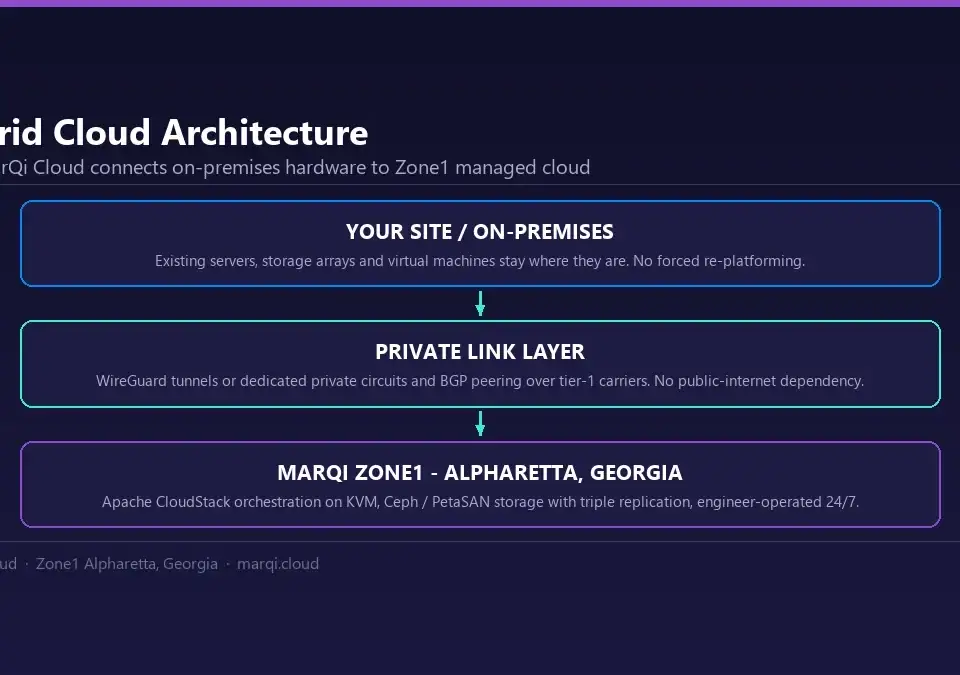
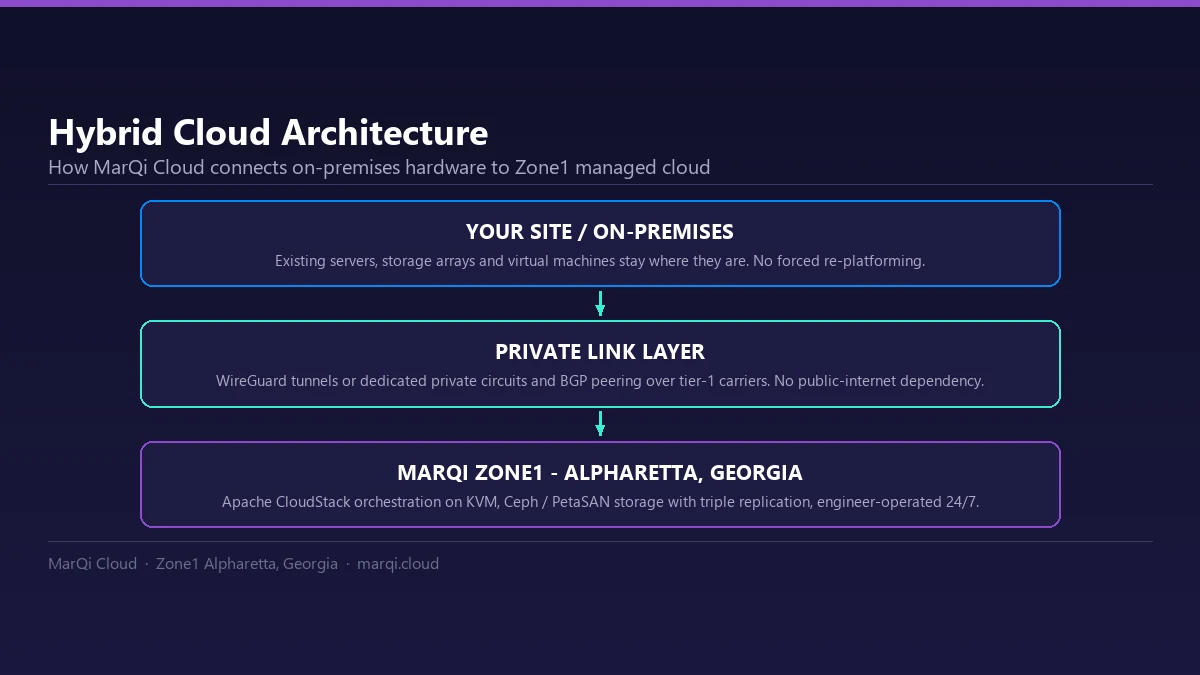
Hybrid cloud solutions integrate public and private cloud environments, allowing businesses to enjoy the best of both worlds. This flexibility enables organizations to manage workloads efficiently, optimizing costs while maintaining control over sensitive data. According to a report by Gartner, over 75% of organizations will adopt hybrid cloud by 2025, highlighting the growing trend towards this model.
One of the primary advantages of hybrid cloud is its scalability. Businesses can adjust their cloud resources based on demand, ensuring that they only pay for what they use. This is particularly beneficial for enterprises with fluctuating workloads or seasonal spikes in demand. For instance, a retail business may require additional resources during the holiday shopping season, which can be easily managed through a hybrid approach.
The Role of Open Source in Cloud Computing
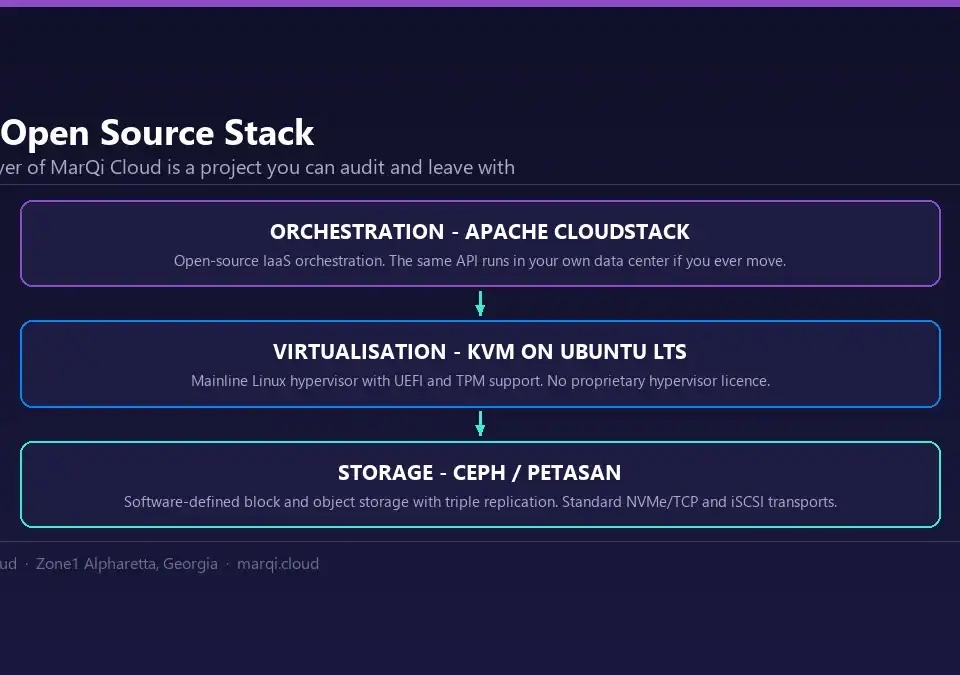
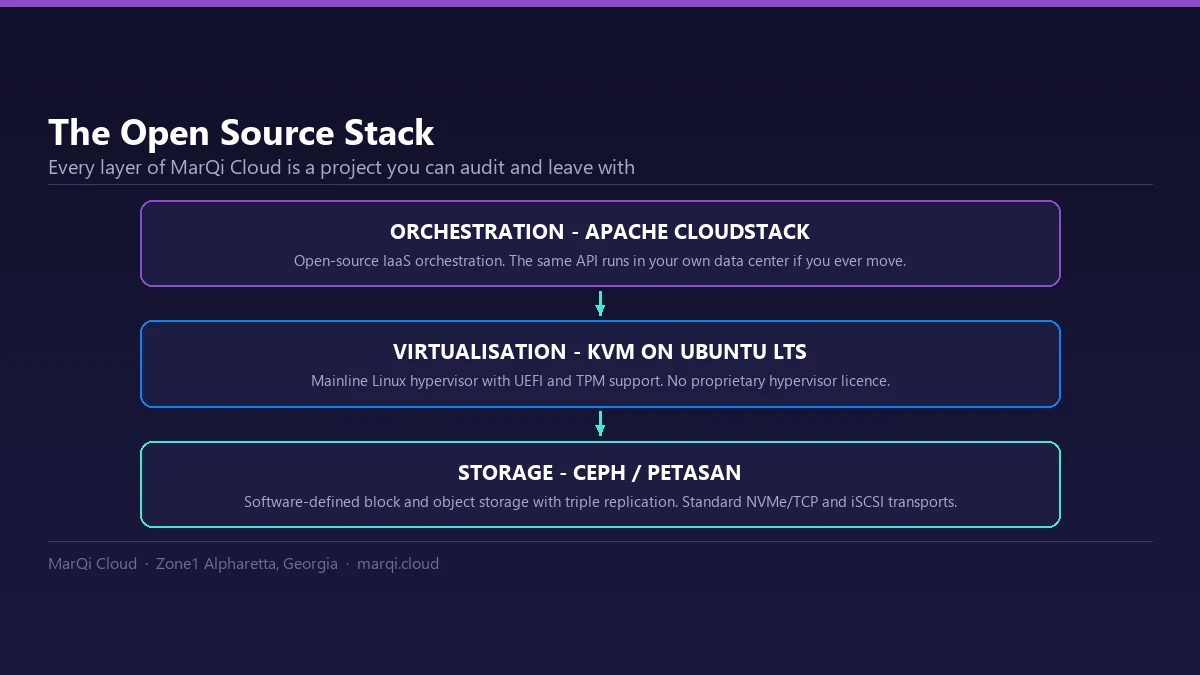
Open source technologies are increasingly becoming integral to cloud computing. The transparency and flexibility of open-source solutions empower organizations to customize their cloud infrastructure according to their specific needs. This adaptability is essential in today’s fast-paced business landscape, where agility is key to staying competitive.
Additionally, open-source platforms often come without the licensing costs associated with proprietary software, making them a cost-effective alternative for enterprises. For example, platforms like OpenStack provide a framework for building and managing cloud infrastructure, allowing companies to leverage community-driven innovations while avoiding vendor lock-in.
Moreover, the collaborative nature of open source fosters innovation. Developers can contribute to and enhance existing projects, accelerating the pace of technological advancement. This collaborative environment also means that organizations can benefit from a wealth of shared knowledge and best practices.
Performance-Driven Infrastructure: Why It Matters
Performance is a critical factor in cloud computing. As businesses increasingly rely on cloud-based applications and services, ensuring optimal performance becomes paramount. A performance-driven infrastructure not only enhances user experience but also improves operational efficiency.
Key performance indicators (KPIs) such as latency, throughput, and availability should be monitored and optimized continuously. According to a study by IDC, companies that focus on performance-driven cloud strategies can improve their operational efficiency by up to 40%. This improvement translates into tangible benefits, including reduced downtime and improved customer satisfaction.
| Performance Metric | Traditional Infrastructure | Performance-Driven Cloud Infrastructure |
|---|---|---|
| Latency | High | Low |
| Throughput | Variable | Consistent |
| Availability | Limited | High |
| Scalability | Challenging | Seamless |
The Benefits of Combining Hybrid and Open Source
The fusion of hybrid cloud and open-source solutions creates a powerful synergy that can drive significant business outcomes. By leveraging the flexibility of hybrid environments with the adaptability of open-source technologies, organizations can enhance their cloud strategies in several ways:
- Cost Efficiency: Open-source solutions eliminate licensing fees, while hybrid models allow for cost-effective resource management.
- Enhanced Customization: Organizations can tailor their cloud infrastructure to meet specific business needs, ensuring optimal performance.
- Improved Security: With private cloud components, sensitive data can be kept secure, while public cloud resources can be utilized for less critical workloads.
- Increased Agility: Businesses can respond quickly to market changes and customer demands by leveraging scalable resources.
How to Implement a Hybrid Cloud Strategy
Implementing a hybrid cloud strategy requires careful planning and execution. Here are the key steps to consider:
- Assess Your Needs: Evaluate your current infrastructure and identify workloads suitable for hybrid deployment.
- Choose the Right Providers: Select cloud providers that align with your business goals and offer reliable performance.
- Establish Governance Policies: Define policies for data management, security, and compliance across both environments.
- Implement Integration Tools: Utilize tools that facilitate seamless integration between public and private clouds.
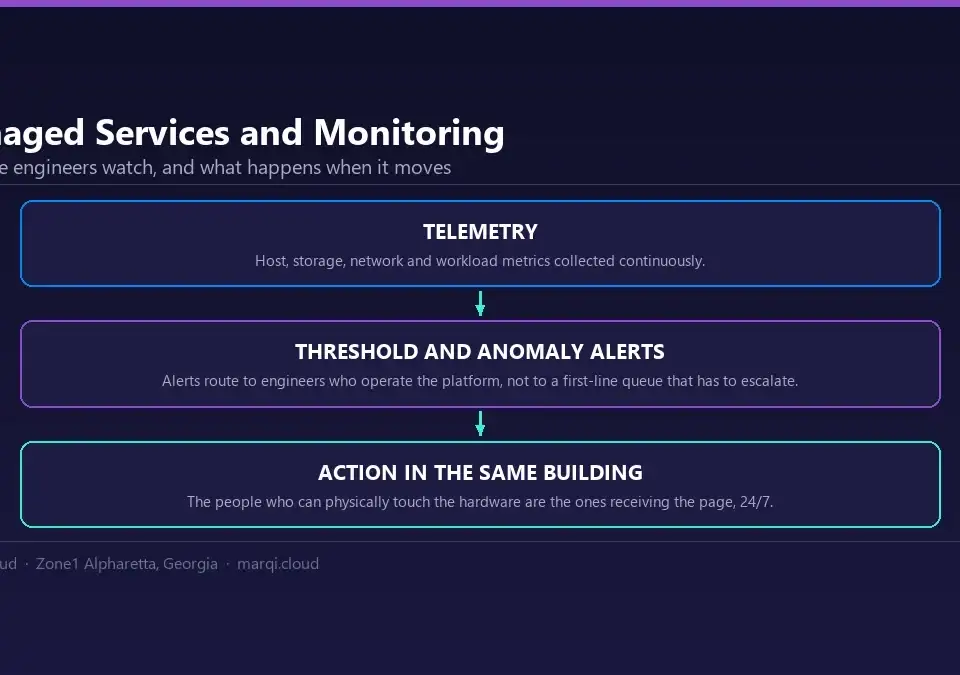
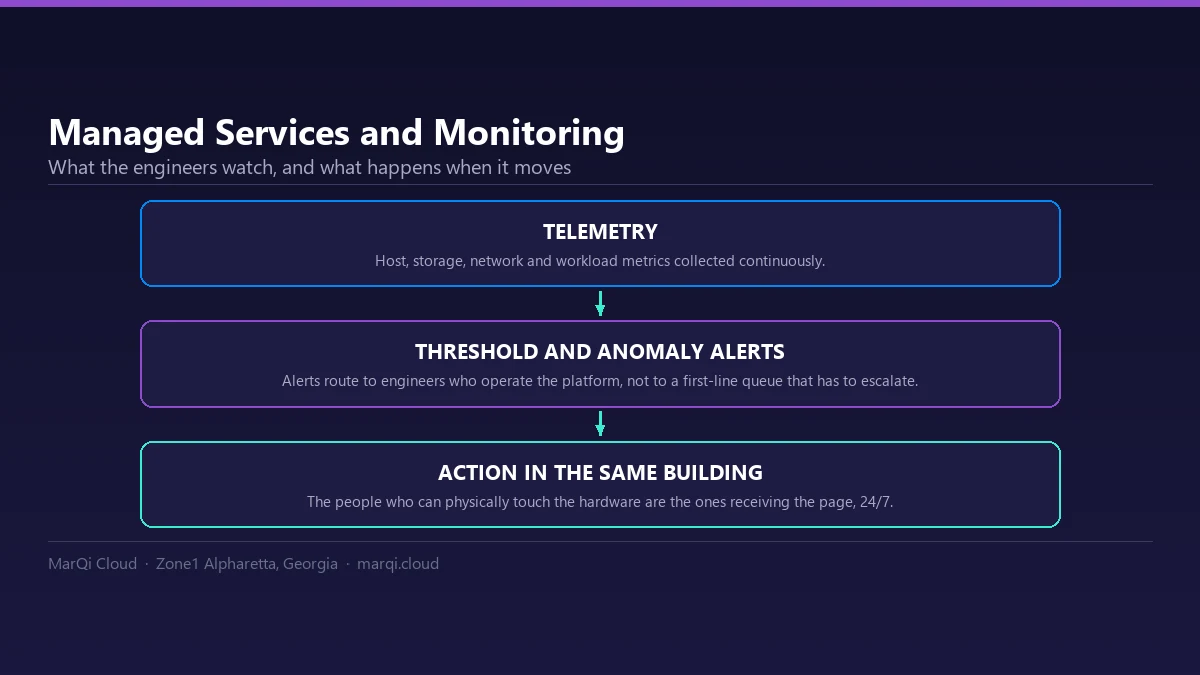
- Monitor and Optimize: Continuously monitor performance metrics and optimize resources based on usage patterns.
Conclusion
The future of enterprise cloud is undoubtedly hybrid, open source, and performance-driven. As organizations seek to enhance their IT infrastructure, embracing these models will be critical for achieving agility, cost efficiency, and optimal performance. By understanding the advantages of hybrid cloud solutions and the role of open-source technologies, businesses can position themselves for success in the ever-evolving digital landscape.
For more information on hybrid cloud solutions and how MarQi Cloud can assist you in your cloud journey, visit our Hybrid Cloud page or contact us directly at info@marqi.cloud.
FAQs
What is a hybrid cloud?
A hybrid cloud is a computing environment that combines both public and private cloud infrastructures, allowing data and applications to be shared between them.
What are the benefits of hybrid cloud solutions?
Hybrid cloud solutions offer scalability, flexibility, cost-efficiency, and enhanced security for businesses.
How does open source benefit cloud computing?
Open source allows for customization, cost savings, and collaborative innovation, making it a valuable component of cloud strategies.
Why is performance important in cloud computing?
Performance impacts user experience and operational efficiency, making it crucial for businesses relying on cloud-based applications.
How can I implement a hybrid cloud strategy?
To implement a hybrid cloud strategy, assess your needs, choose the right providers, establish governance policies, implement integration tools, and monitor performance.
What role does MarQi Cloud play in enterprise cloud solutions?
MarQi Cloud offers enterprise-grade hybrid cloud solutions, ensuring secure hosting environments and scalable resources for businesses.
What are some examples of open-source cloud platforms?
Examples include OpenStack, Cloud Foundry, and Kubernetes, which provide frameworks for building and managing cloud infrastructure.
How can I ensure my hybrid cloud is secure?
Implement strong governance policies, utilize encryption, and monitor for vulnerabilities to ensure the security of your hybrid cloud environment.