Everything You Need to Know About MarQi Cloud’s Resource Pool System
June 28, 2026
Ultimate Guide to Setting Up Auto-Scaling on MarQi Cloud Without Code
June 29, 2026
How MarQi Cloud Handles High-Traffic Events Without Performance Degradation
In today’s digital landscape, businesses are often faced with the challenge of managing high-traffic events. These could include product launches, seasonal promotions, or major online events that draw a significant influx of users to a website. If not properly managed, such spikes in traffic can lead to performance degradation, resulting in slow load times, downtime, and a poor user experience. This is where MarQi Cloud comes into play, offering enterprise-grade cloud infrastructure specifically designed to handle high-traffic events seamlessly.
Understanding High-Traffic Events
High-traffic events can occur for various reasons, such as marketing campaigns, viral social media posts, or significant news events. The challenge lies in ensuring that your infrastructure can handle the sudden increase in user demand without compromising performance.
Why Performance Matters
Performance is critical during high-traffic events. A slow website can lead to lost sales, decreased customer satisfaction, and damage to your brand’s reputation. Studies show that even a one-second delay in page load time can result in a significant drop in conversions. Hence, businesses must prioritize performance and reliability during these crucial times.
MarQi Cloud’s Solutions for High-Traffic Events
MarQi Cloud offers a range of solutions tailored to manage high-traffic events effectively, ensuring that your business can scale resources dynamically without experiencing performance degradation.
1. Enterprise-Grade Cloud Infrastructure
At the core of MarQi Cloud’s offerings is its enterprise-grade cloud infrastructure, designed to support businesses of all sizes. This infrastructure provides robust performance and reliability, enabling organizations to handle spikes in traffic without compromising on speed or availability.
2. Hybrid Cloud Deployment Models
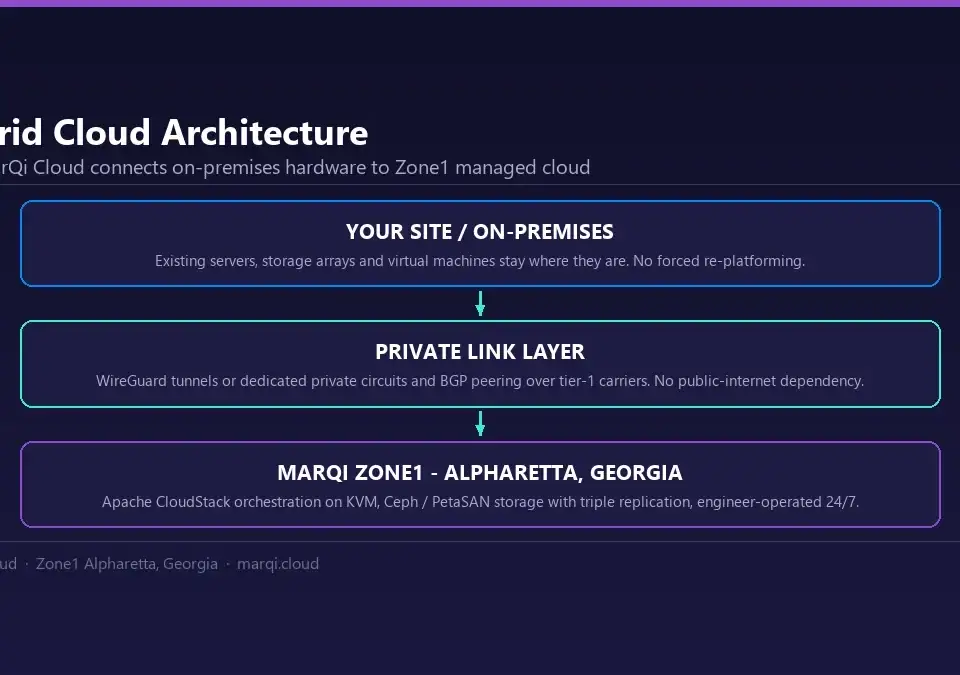
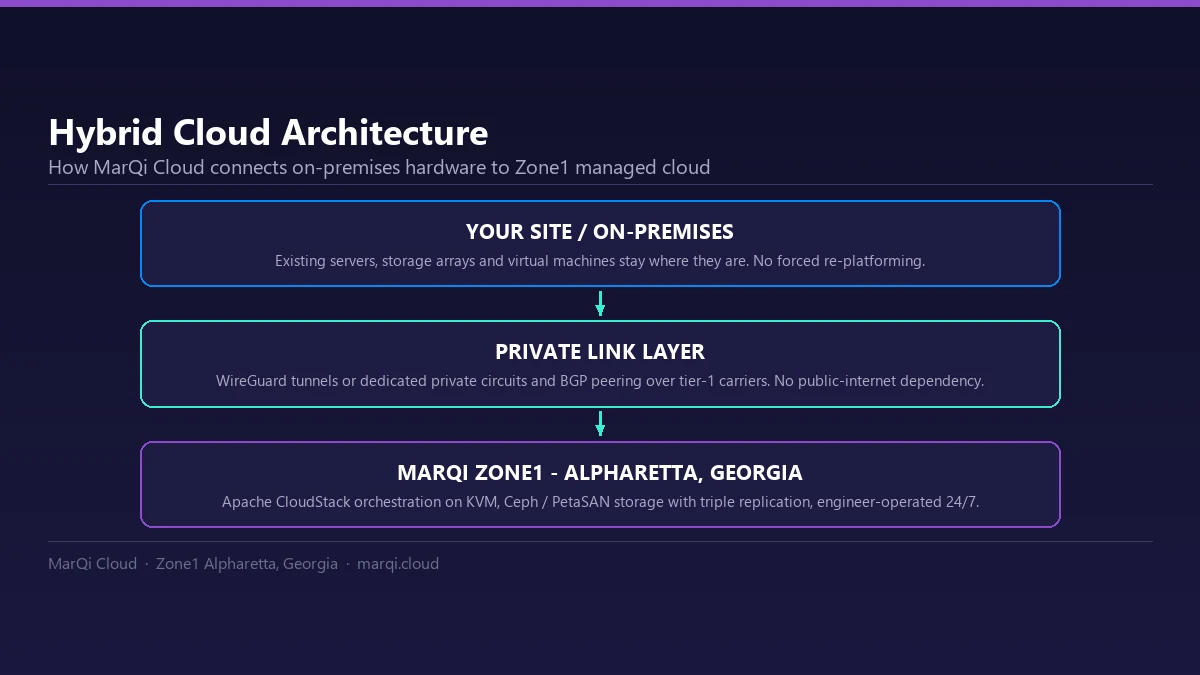
MarQi Cloud supports hybrid cloud deployment models, allowing businesses to leverage both public and private cloud resources. This flexibility enables organizations to scale their infrastructure dynamically based on real-time demand, ensuring that they can accommodate high traffic without experiencing bottlenecks.
3. Private and Secure Hosting Environments
Security is paramount, especially during high-traffic events when websites can become targets for malicious attacks. MarQi Cloud offers private and secure hosting environments, ensuring that your data is protected while your infrastructure remains resilient against potential threats.
4. Scalable Compute and Storage Resources
One of the most significant advantages of MarQi Cloud is its scalable compute and storage resources. As traffic increases, businesses can easily scale their resources up or down based on demand. This elasticity allows organizations to maintain optimal performance levels, even during peak traffic periods.
5. Business Continuity and Disaster Recovery Solutions
MarQi Cloud understands the importance of business continuity, especially during high-traffic events. With robust disaster recovery solutions in place, businesses can quickly recover from any potential downtime, ensuring that they remain operational and accessible to customers.
6. Performance-Driven Infrastructure Design
The infrastructure design at MarQi Cloud is performance-driven, focusing on optimizing resources to deliver the best possible user experience. This includes advanced caching mechanisms, content delivery network (CDN) integration, and load balancing to distribute traffic evenly across servers.
7. US-Based Infrastructure and Support
With US-based infrastructure and support, MarQi Cloud ensures that businesses have access to reliable technical assistance whenever needed. This proximity allows for quicker response times and easier communication, which is crucial during high-traffic events.
8. Flexible Pricing Models
MarQi Cloud offers flexible pricing models that allow businesses to pay only for what they use. This is especially beneficial during high-traffic events when resource needs can fluctuate significantly. Organizations can optimize their budgets while ensuring they have the necessary resources to handle increased traffic.
Case Studies: Success Stories of High-Traffic Management
To illustrate how MarQi Cloud handles high-traffic events, let’s explore a couple of case studies.
Case Study 1: E-commerce Black Friday Sale
A leading e-commerce retailer used MarQi Cloud during their Black Friday sale, which typically sees a surge in traffic. By leveraging the hybrid cloud model and scalable resources, the retailer was able to accommodate a 300% increase in traffic compared to a typical day. Performance remained optimal, with load times under two seconds, resulting in a record-breaking sales day.
Case Study 2: Online Streaming Event
An online streaming platform utilized MarQi Cloud for a live event that attracted millions of viewers. The platform’s infrastructure was designed with load balancing and CDN integration, ensuring seamless streaming even during peak viewership. The result was a 99.99% uptime and a high-quality user experience.
Best Practices for Managing High-Traffic Events
In addition to leveraging MarQi Cloud’s capabilities, businesses should adopt best practices to prepare for high-traffic events.
1. Load Testing
Before a high-traffic event, conduct load testing to identify potential bottlenecks in your infrastructure. This proactive approach allows you to make necessary adjustments ahead of time.
2. Monitor Performance
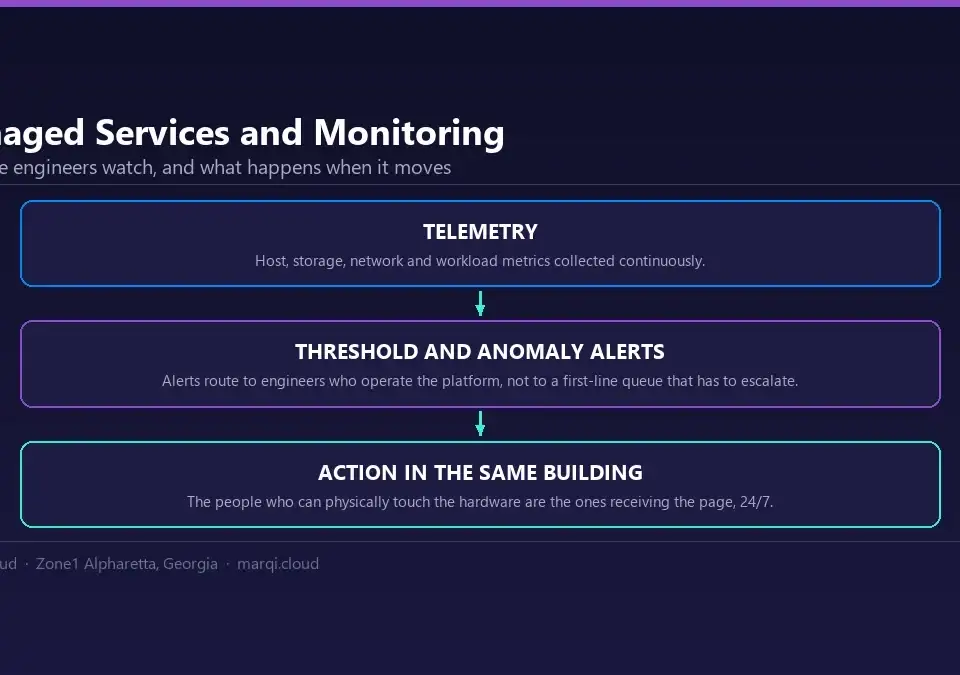
Implement real-time monitoring tools to track website performance during high-traffic events. This will help you quickly identify issues and respond accordingly.
3. Optimize Content Delivery
Utilize a content delivery network (CDN) to ensure that content is delivered quickly and efficiently, regardless of user location.
4. Prepare for Scalability
Ensure that your infrastructure is configured for automatic scaling. This means that as traffic increases, additional resources can be allocated without manual intervention.
Conclusion
High-traffic events can pose significant challenges for businesses, but with the right infrastructure and strategies in place, they can be managed successfully. MarQi Cloud offers enterprise-grade solutions designed to handle these spikes in demand without performance degradation. By leveraging hybrid cloud deployment, scalable resources, and a performance-driven infrastructure design, businesses can ensure that they are well-prepared for any high-traffic event. With MarQi Cloud, you can maintain optimal performance, protect your brand reputation, and ultimately drive success.
FAQ
1. What is MarQi Cloud?
MarQi Cloud is a cloud service provider offering enterprise-grade cloud infrastructure and solutions tailored for businesses, focusing on performance, security, and scalability.
2. How does MarQi Cloud handle high traffic?
MarQi Cloud uses hybrid cloud deployment, scalable resources, and performance-driven infrastructure design to effectively manage high traffic without degradation.
3. What are hybrid cloud deployment models?
Hybrid cloud deployment models combine public and private cloud resources, allowing businesses to scale dynamically based on demand.
4. Why is performance important during high-traffic events?
Performance is crucial because slow websites can lead to lost sales and decreased customer satisfaction. Ensuring optimal performance is key to success.
5. What security measures does MarQi Cloud offer?
MarQi Cloud provides private and secure hosting environments to protect data and infrastructure from potential threats during high-traffic events.
6. Can businesses scale resources on demand?
Yes, businesses can scale their compute and storage resources up or down as needed, ensuring they can handle traffic spikes effectively.
7. What kind of support does MarQi Cloud provide?
MarQi Cloud offers US-based infrastructure and technical support, ensuring quick response times and reliable assistance when needed.
8. How can businesses prepare for high-traffic events?
Businesses should conduct load testing, monitor performance, optimize content delivery, and prepare for scalability ahead of high-traffic events.