Why US-Based Cloud Infrastructure Matters for Data Sovereignty and Compliance
July 12, 2026
The Complete Guide to Virtualization Services for Enterprise IT Modernization
July 12, 2026
How to Architect a Fault-Tolerant Cloud Environment for Business Continuity
In the age of digital transformation, ensuring business continuity is paramount for organizations of all sizes. A fault-tolerant cloud environment acts as a safety net, safeguarding your business against unexpected disruptions. As an enterprise cloud provider, MarQi Cloud specializes in building robust, scalable, and secure cloud infrastructures that support hybrid deployments tailored to meet the unique needs of your organization. In this article, we will explore the ins and outs of architecting a fault-tolerant cloud environment, its significance for business continuity, and actionable steps to implement it effectively.
Understanding Fault Tolerance
Fault tolerance refers to the ability of a system to continue operating properly in the event of the failure of some of its components. In cloud computing, this translates to maintaining service availability and performance even when individual servers, networks, or data centers experience failures. According to the National Institute of Standards and Technology (NIST), fault tolerance is a critical aspect of designing resilient IT systems.
The Importance of Fault Tolerance for Business Continuity
Business continuity hinges on the ability to maintain essential functions during and after a disaster. A fault-tolerant cloud environment minimizes downtime and data loss, ensuring that businesses can operate smoothly regardless of unforeseen incidents. Companies with robust business continuity plans recover from disruptions more quickly because roles, priorities and recovery steps are decided before an incident, not during it.
Key Components of a Fault-Tolerant Cloud Architecture
Architecting a fault-tolerant cloud environment involves several key components:
- Redundancy: Implementing redundant components, such as servers, databases, and network paths, ensures that if one component fails, others can take over seamlessly.
- Load Balancing: Distributing workloads across multiple servers prevents any single server from becoming a bottleneck, enhancing reliability and performance.
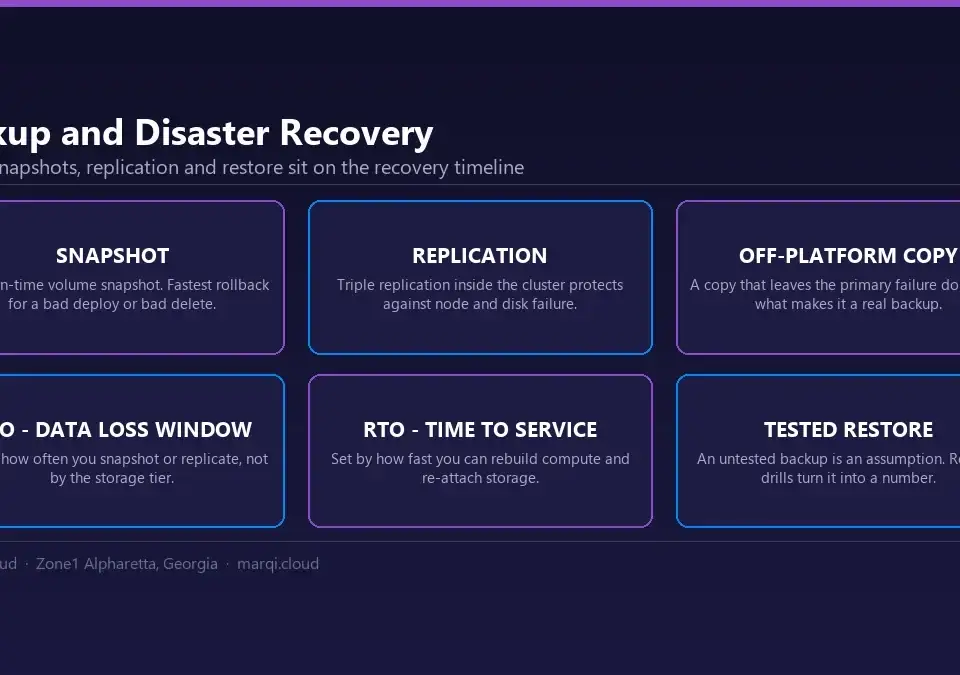
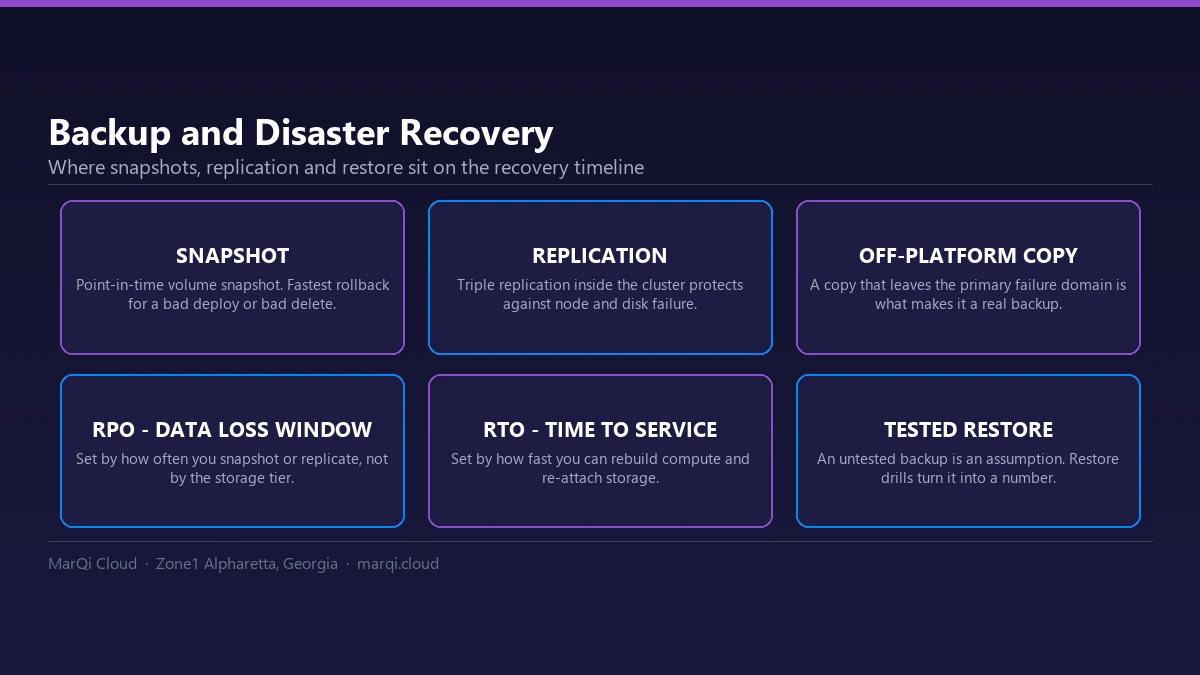
- Data Backup and Recovery: Regularly backing up data and having a robust recovery strategy is essential for minimizing data loss in case of failures.
- Geographic Distribution: Deploying resources across multiple geographic locations mitigates the risk of localized disasters affecting your entire infrastructure.
- Monitoring and Alerting: Continuous monitoring of system performance and health allows for proactive measures to be taken before issues escalate into failures.
Steps to Architect a Fault-Tolerant Cloud Environment
Building a fault-tolerant cloud environment requires a systematic approach. Here are actionable steps to get started:
- Assess Business Requirements: Understand your organization’s critical applications and data. Determine acceptable levels of downtime and data loss to inform your architecture design.
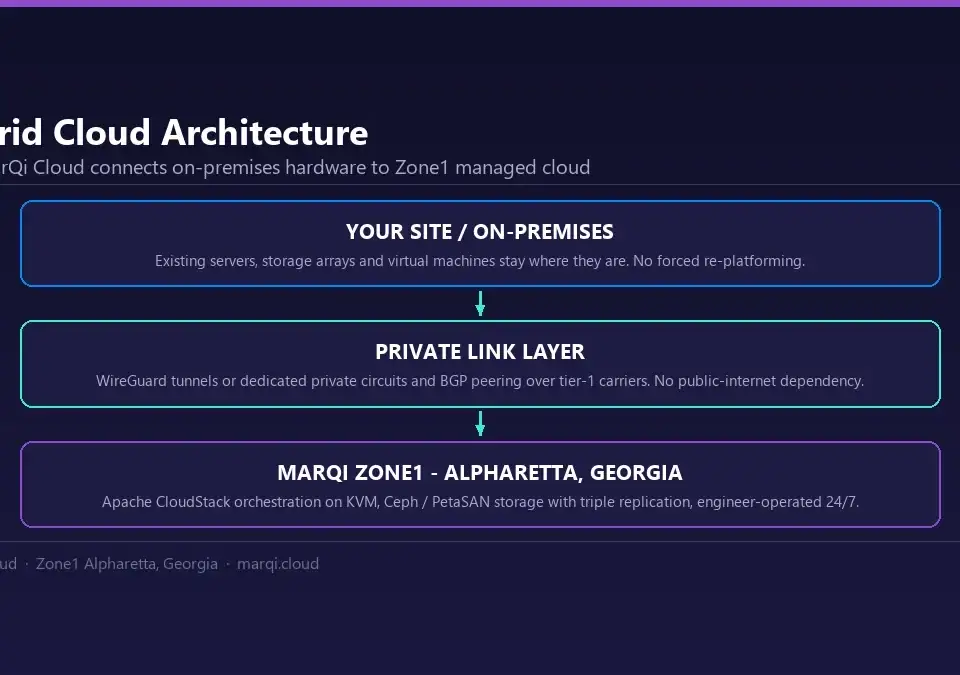
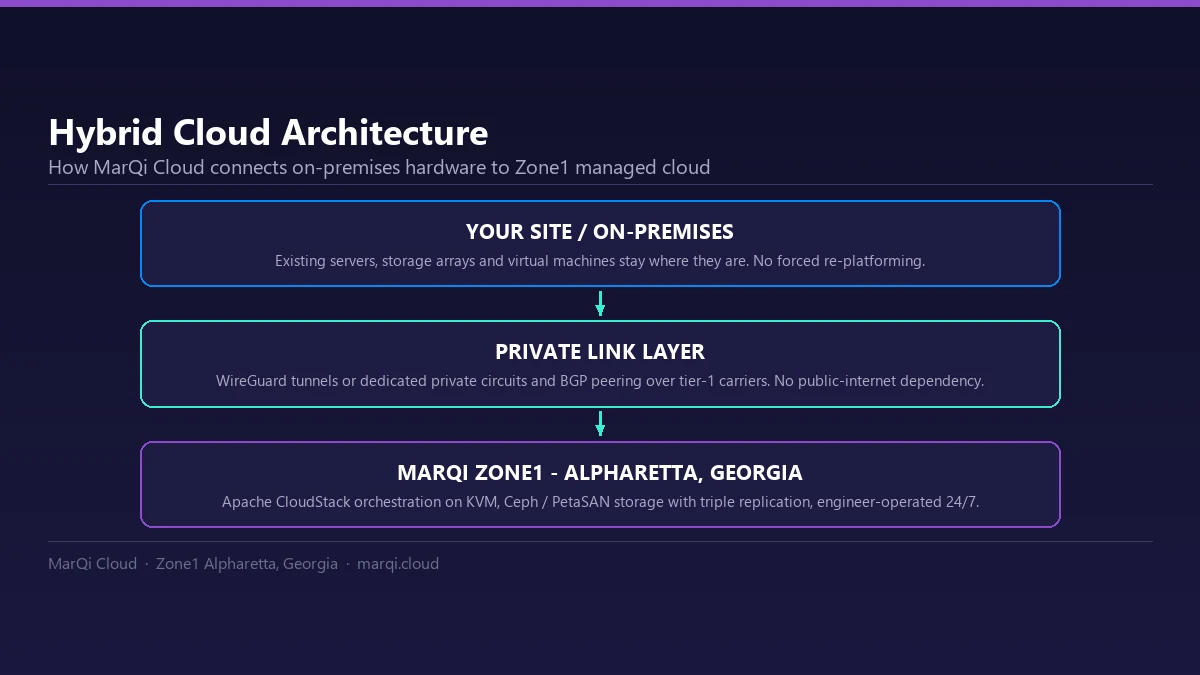
- Select the Right Cloud Model: Choose between public, private, or hybrid cloud solutions based on your business needs. MarQi Cloud’s hybrid cloud solutions may offer the flexibility and security you require.
- Design for Redundancy: Ensure all critical components have backup systems in place. For example, use multiple servers in different availability zones to host applications.
- Implement Load Balancers: Use load balancers to distribute traffic evenly across your servers. This helps prevent overload on individual servers and enhances performance.
- Establish Data Backup Protocols: Set up automated backups and ensure that they are stored in different locations. Regularly test your backup and recovery process to confirm its effectiveness.
- Deploy Monitoring Tools: Utilize monitoring tools to track system performance and health. Set up alerts to notify your IT team of any anomalies or failures.
- Conduct Regular Testing: Regularly test your fault tolerance strategies through simulated failures. This helps identify weaknesses in your architecture and allows for timely adjustments.
Best Practices for Ensuring Fault Tolerance
Implementing fault tolerance is not a one-time task but rather an ongoing commitment. Here are some best practices to follow:
- Document Everything: Keep detailed documentation of your cloud architecture, including configurations, procedures, and recovery plans.
- Stay Updated: Regularly update your cloud infrastructure and applications to patch vulnerabilities and improve performance.
- Train Your Team: Ensure that your IT staff is well-trained in fault tolerance strategies and recovery procedures.
- Engage with Experts: Consider working with cloud infrastructure experts like MarQi Cloud to optimize your fault tolerance strategies.
- Review and Revise: Regularly review and revise your fault tolerance strategies to align with changing business needs and technological advancements.
Conclusion
Architecting a fault-tolerant cloud environment is a critical aspect of ensuring business continuity. By implementing redundancy, load balancing, and robust backup strategies, organizations can safeguard their operations against unexpected disruptions. As an enterprise cloud provider, MarQi Cloud offers tailored solutions to help businesses build resilient infrastructures that stand the test of time. Whether you are looking to migrate or optimize your existing cloud environment, our team of experts is here to assist you every step of the way.
FAQs
What is fault tolerance in cloud computing?
Fault tolerance in cloud computing refers to the ability of a system to maintain functionality despite the failure of one or more of its components.
Why is fault tolerance important for business continuity?
Fault tolerance is crucial for business continuity as it minimizes downtime and data loss, ensuring that essential functions can continue during disruptions.
What are some key components of a fault-tolerant cloud architecture?
Key components include redundancy, load balancing, data backup and recovery, geographic distribution, and monitoring tools.
How can I design a fault-tolerant cloud environment?
Designing a fault-tolerant cloud environment involves assessing business requirements, selecting the appropriate cloud model, implementing redundancy, and establishing backup protocols.
What best practices should I follow for fault tolerance?
Best practices include documenting your architecture, staying updated with patches, training your team, and regularly reviewing your strategies.
How often should I test my fault tolerance strategies?
Regular testing should be conducted at least quarterly or whenever significant changes are made to the environment.
What role does geographic distribution play in fault tolerance?
Geographic distribution helps mitigate the risk of localized disasters impacting your entire infrastructure, ensuring continuity of service.
Can MarQi Cloud help with fault tolerance strategies?
Yes, MarQi Cloud specializes in building fault-tolerant cloud environments tailored to meet the unique needs of your organization.