The Complete Guide to Monitoring and Observability Across Hybrid Cloud Environments
July 26, 2026
Why Single-Pane-of-Glass Management Simplifies Hybrid Cloud Operations
July 27, 2026
How to Build a Hybrid Cloud Security Posture That Spans All Environments
In today’s fast-paced digital landscape, organizations are increasingly adopting hybrid cloud solutions to enhance their operational efficiency and scalability. However, with the multitude of benefits comes the critical need to establish a robust hybrid cloud security posture that spans all environments. In this comprehensive guide, we will explore essential strategies and best practices to secure your hybrid cloud infrastructure effectively. You will learn about the importance of a unified security strategy, compliance considerations, and how to leverage advanced technologies to safeguard your data and applications.
Understanding Hybrid Cloud Security
Hybrid cloud security refers to the set of strategies, policies, and technologies designed to protect data and applications across both on-premises and cloud environments. As organizations increasingly rely on a combination of public and private cloud infrastructures, a cohesive security posture becomes paramount. According to a report by CSO Online, 60% of organizations experienced a security breach in the past year, underscoring the importance of a proactive approach to security.
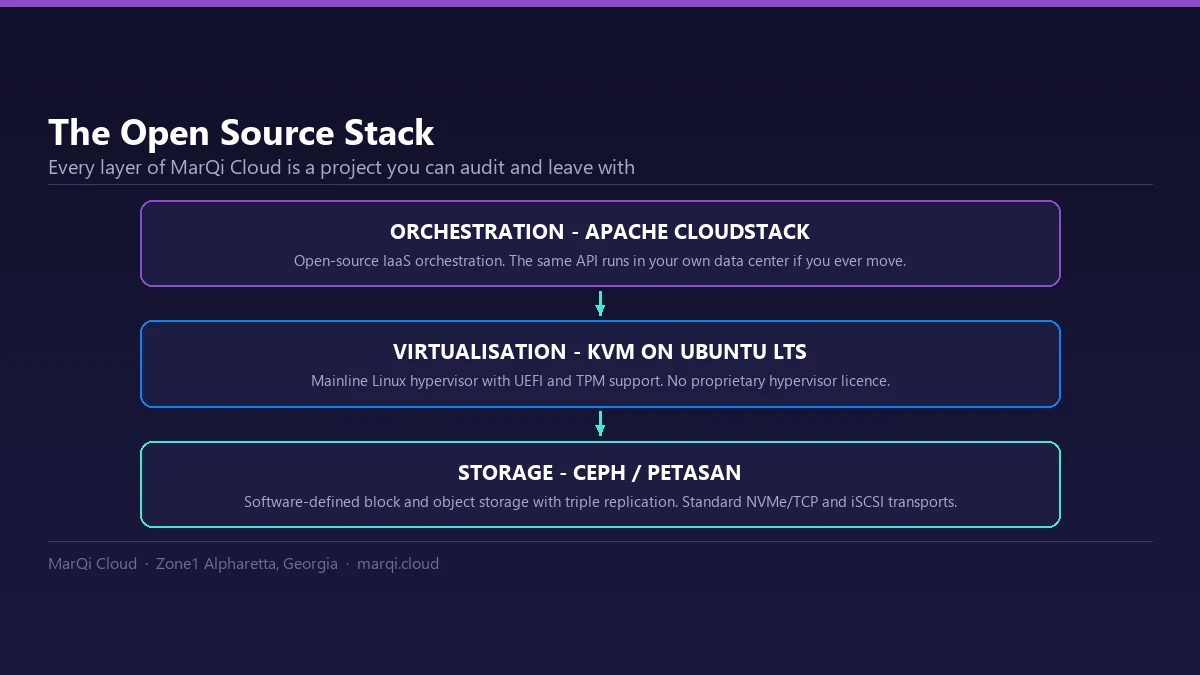
A hybrid cloud model typically consists of private cloud resources, public cloud services, and on-premises infrastructure. Each of these environments presents unique security challenges, including data privacy, compliance, and threat management. Therefore, organizations must adopt a comprehensive strategy that encompasses all environments to ensure consistent security measures.
Key Components of Hybrid Cloud Security
To effectively secure a hybrid cloud environment, organizations should focus on several key components:
- Data Encryption: Encrypting data both at rest and in transit is crucial to safeguard sensitive information from unauthorized access. Utilizing strong encryption protocols such as AES-256 ensures that data remains confidential, even if intercepted.
- Identity and Access Management (IAM): Implementing robust IAM solutions helps control user access to sensitive data and applications. Multi-factor authentication (MFA) adds an extra layer of security by requiring users to provide multiple forms of verification.
- Network Security: Employing firewalls, intrusion detection systems (IDS), and virtual private networks (VPNs) can help protect your hybrid cloud network from external threats. Regularly updating network security protocols is essential to mitigate vulnerabilities.
- Compliance and Governance: Adhering to industry regulations and standards such as GDPR, HIPAA, and PCI-DSS is vital for maintaining trust and avoiding hefty fines. Organizations must implement policies that govern data handling and security practices.
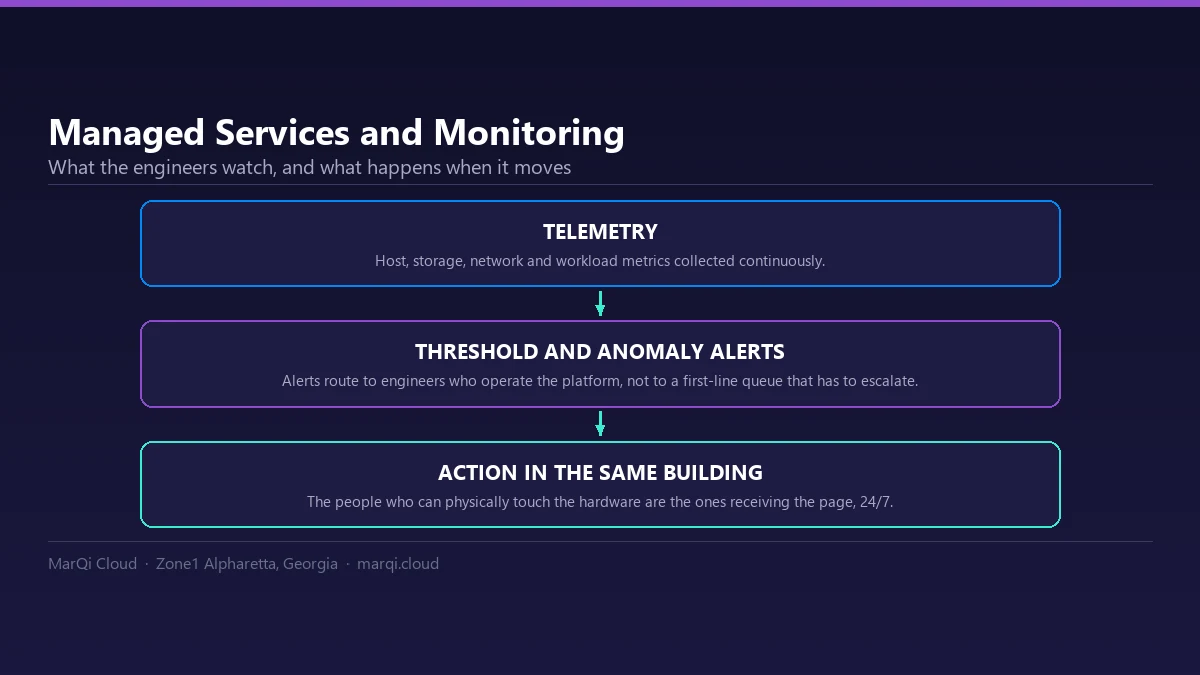
- Monitoring and Incident Response: Continuous monitoring of your hybrid cloud environment enables organizations to detect and respond to potential security incidents in real-time. Establishing a well-defined incident response plan is critical for minimizing damage in the event of a breach.
Building a Hybrid Cloud Security Posture
Creating a robust hybrid cloud security posture involves a series of strategic steps:
- Assess Your Current Security Landscape: Begin by conducting a thorough assessment of your existing security measures across all environments. Identify gaps and vulnerabilities that need to be addressed.
- Define Security Policies and Standards: Establish clear security policies that outline the protocols for data handling, access control, and incident response. Ensure that these policies align with industry regulations.
- Implement Security Technologies: Leverage advanced security solutions such as endpoint protection, encryption tools, and IAM systems to enhance your security posture. Consider utilizing a managed security service provider (MSSP) for added expertise.
- Educate and Train Employees: Employee awareness and training are critical components of a security strategy. Regularly conduct training sessions to educate staff about security best practices and the importance of compliance.
- Regularly Review and Update Security Measures: The cybersecurity landscape is constantly evolving, and so should your security measures. Schedule regular reviews and updates to ensure that your security posture remains effective.
Compliance and Regulatory Considerations
Compliance is a significant aspect of hybrid cloud security. Organizations must be aware of the regulatory requirements that apply to their industry and ensure that their security measures meet these standards. For instance, healthcare organizations are subject to HIPAA regulations, while financial institutions must comply with PCI-DSS.
Establishing a compliance framework involves:
- Identifying Relevant Regulations: Determine which regulations apply to your organization based on your industry and the data you handle.
- Documenting Compliance Processes: Keep detailed records of your compliance measures, including security policies, training sessions, and audits.
- Conducting Regular Audits: Regular audits help ensure that your organization adheres to compliance standards and identifies areas for improvement.
Leveraging Advanced Security Technologies
Advanced technologies play a crucial role in enhancing hybrid cloud security. Consider implementing the following technologies:
| Technology | Description | Benefits |
|---|---|---|
| Artificial Intelligence (AI) | AI-powered security solutions can analyze vast amounts of data to detect anomalies and potential threats. | Improved threat detection and response times. |
| Machine Learning (ML) | ML algorithms learn from historical data to predict future threats, allowing organizations to be proactive. | Reduced false positives and enhanced accuracy in threat detection. |
| Zero Trust Architecture | This security model assumes that threats can be internal or external and requires verification for every request. | Minimized risk of insider threats and improved access control. |
By leveraging these advanced technologies, organizations can significantly enhance their hybrid cloud security posture and better protect their sensitive data.
Case Studies and Real-World Examples
Examining real-world implementations of hybrid cloud security can provide valuable insights. For instance, a large financial institution adopted a hybrid cloud model to improve scalability while ensuring compliance with PCI-DSS. By implementing a comprehensive security strategy that included data encryption, IAM solutions, and continuous monitoring, the institution successfully mitigated security risks and achieved compliance.
Similarly, a healthcare organization transitioned to a hybrid cloud environment to enhance patient data management. By leveraging managed security services and conducting regular security audits, they maintained compliance with HIPAA regulations while ensuring data security.
Expert Tips for Hybrid Cloud Security
Here are additional expert tips to enhance your hybrid cloud security:
- Utilize automation tools to streamline security processes and reduce human error.
- Establish a clear communication plan for your incident response team to ensure swift action during security breaches.
- Maintain a comprehensive inventory of all assets in your hybrid cloud environment to improve visibility and control.
Frequently Asked Questions
1. What is a hybrid cloud security posture?
A hybrid cloud security posture refers to the collective strategies and measures an organization employs to secure data and applications across both on-premises and cloud environments.
2. Why is hybrid cloud security important?
As organizations adopt hybrid cloud solutions, they face unique security challenges. A robust security posture is essential to protect sensitive data and maintain compliance with regulations.
3. How can organizations assess their hybrid cloud security?
Organizations can conduct security assessments, identify vulnerabilities, and evaluate existing security measures to determine their hybrid cloud security posture.
4. What are the key components of a hybrid cloud security strategy?
Key components include data encryption, identity and access management, network security, compliance governance, and incident response planning.
5. How does compliance affect hybrid cloud security?
Compliance requirements dictate how organizations handle sensitive data and implement security measures. Adhering to regulations is crucial to avoid penalties and maintain trust.
6. What technologies enhance hybrid cloud security?
Technologies such as artificial intelligence, machine learning, and zero trust architecture significantly improve threat detection and response capabilities.
7. How can organizations respond to security incidents in a hybrid cloud environment?
Establishing a well-defined incident response plan and conducting regular training can help organizations respond effectively to security incidents.
8. What role does employee training play in hybrid cloud security?
Employee training is vital for raising awareness of security best practices and ensuring that staff understand their roles in maintaining a secure environment.