The Definitive Hybrid Cloud Strategy for 2026 Using MarQi Cloud
June 7, 2026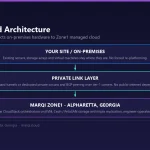
Why Hybrid Cloud on MarQi Cloud Is the Smartest Move for Growing Businesses
June 7, 2026
How to Integrate Your On-Premise Servers With MarQi Cloud Seamlessly
In today’s digital landscape, businesses are increasingly turning to cloud solutions to enhance their operational efficiency and scalability. MarQi Cloud offers enterprise-grade cloud infrastructure that seamlessly integrates with your existing on-premise servers. In this article, we will delve into the step-by-step process of integrating your on-premise servers with MarQi Cloud, ensuring a smooth transition that maximizes your resources and minimizes disruption.
Understanding Hybrid Cloud Deployment Models
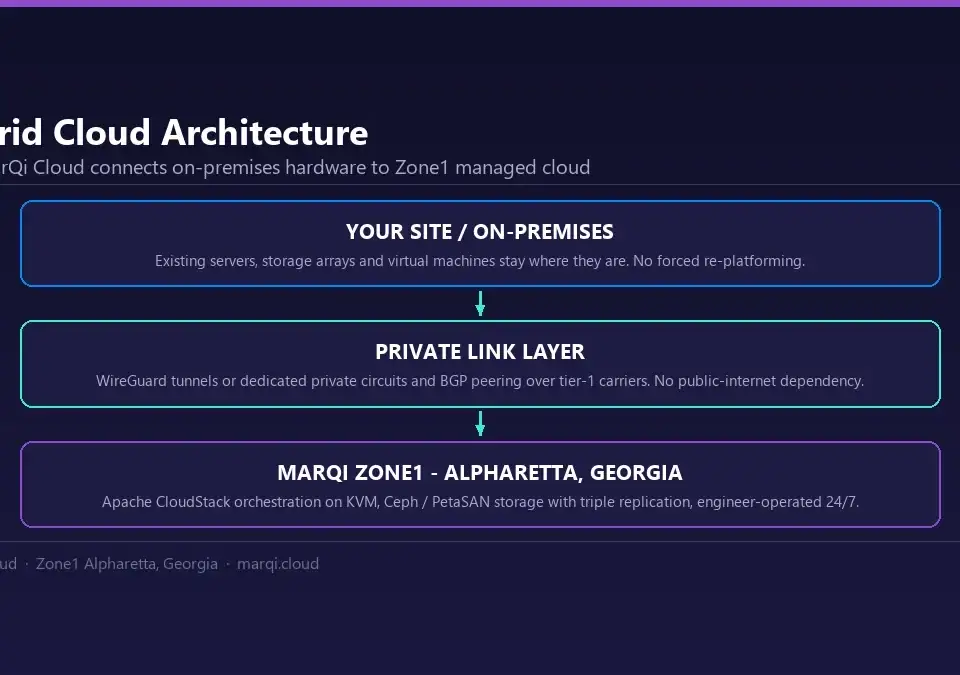
Before we dive into the integration process, it’s essential to understand what a hybrid cloud deployment model entails. A hybrid cloud combines on-premise infrastructure with cloud services, allowing organizations to leverage the best of both worlds. This model provides flexibility, scalability, and improved performance.
Benefits of Hybrid Cloud
- Flexibility: Organizations can choose where to run their applications based on specific needs.
- Scalability: Businesses can quickly scale their resources up or down, depending on demand.
- Cost Efficiency: Hybrid models can reduce costs by optimizing resource usage.
Preparing for Integration
Before integrating your on-premise servers with MarQi Cloud, there are several preparatory steps to ensure a smooth transition.
Assess Your Current Infrastructure
Begin by evaluating your existing on-premise servers. Consider the following:
- Server specifications and performance capabilities
- Workloads and applications running on your servers
- Data storage requirements and security protocols
Define Your Objectives
Establish clear objectives for the integration. Determine what you aim to achieve, such as:
- Improving data accessibility
- Enhancing disaster recovery capabilities
- Reducing operational costs
Choosing the Right Integration Strategy
There are several strategies for integrating your on-premise servers with MarQi Cloud. The right approach depends on your specific business needs and technical requirements.
Direct Connect
MarQi Cloud provides a Direct Connect option, allowing you to establish a dedicated network connection between your on-premise infrastructure and the cloud. This option offers low latency and high bandwidth, ensuring seamless data transfer.
VPN Connectivity
A Virtual Private Network (VPN) can securely connect your on-premise servers to MarQi Cloud. This method is often more cost-effective and easier to implement, but it may come with increased latency.
Data Replication and Synchronization
Utilizing data replication and synchronization tools can facilitate the transfer of data between on-premise servers and MarQi Cloud. This approach ensures that your data is consistently updated across both platforms.
Implementing the Integration
Once you have chosen your integration strategy, it’s time to implement it. Below are steps to follow for a successful integration.
Step 1: Set Up Your MarQi Cloud Environment
Begin by setting up your MarQi Cloud environment. This includes:
- Creating cloud accounts
- Provisioning cloud resources such as compute and storage
- Configuring network settings
Step 2: Configure the Connection
Depending on your chosen integration method, configure either the Direct Connect or VPN:
- For Direct Connect, work with MarQi Cloud support to establish the dedicated connection.
- For VPN, set up the VPN gateway and ensure proper firewall rules are in place.
Step 3: Migrate and Synchronize Data
After establishing the connection, begin migrating data from your on-premise servers to MarQi Cloud. Utilize replication tools to ensure data consistency and minimize downtime.
Step 4: Test the Integration
Conduct thorough testing to ensure that the integration is functioning as expected. This may include:
- Verifying data accessibility
- Testing application performance
- Ensuring security measures are effective
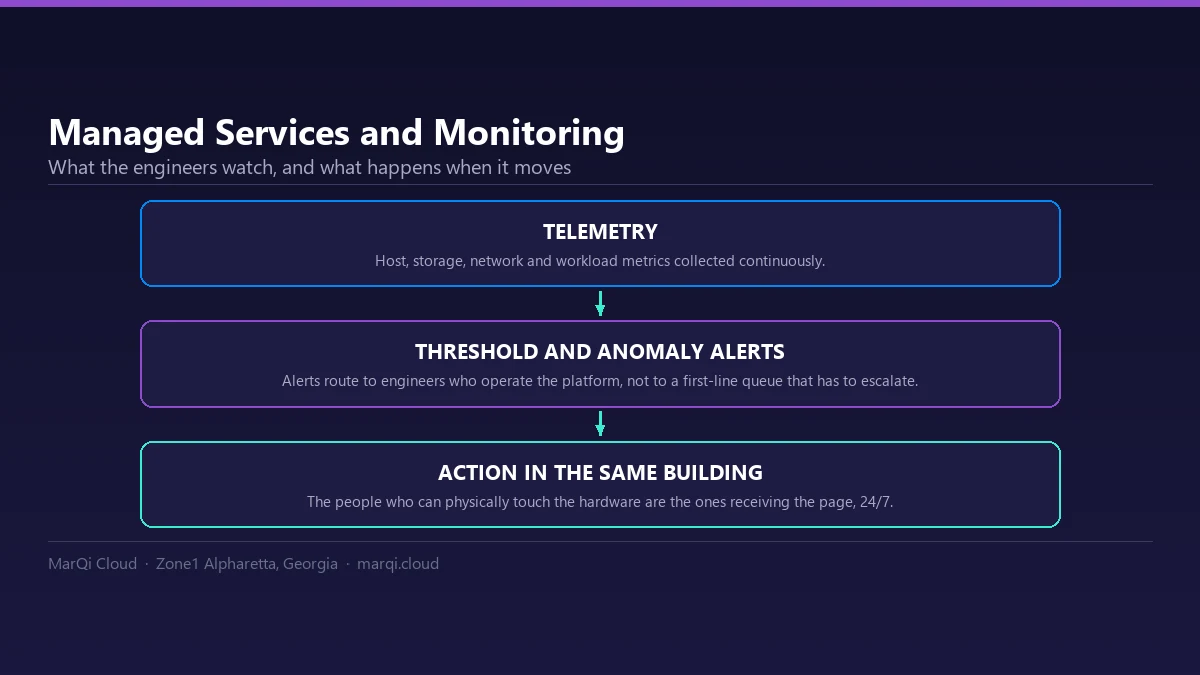
Step 5: Monitor and Optimize
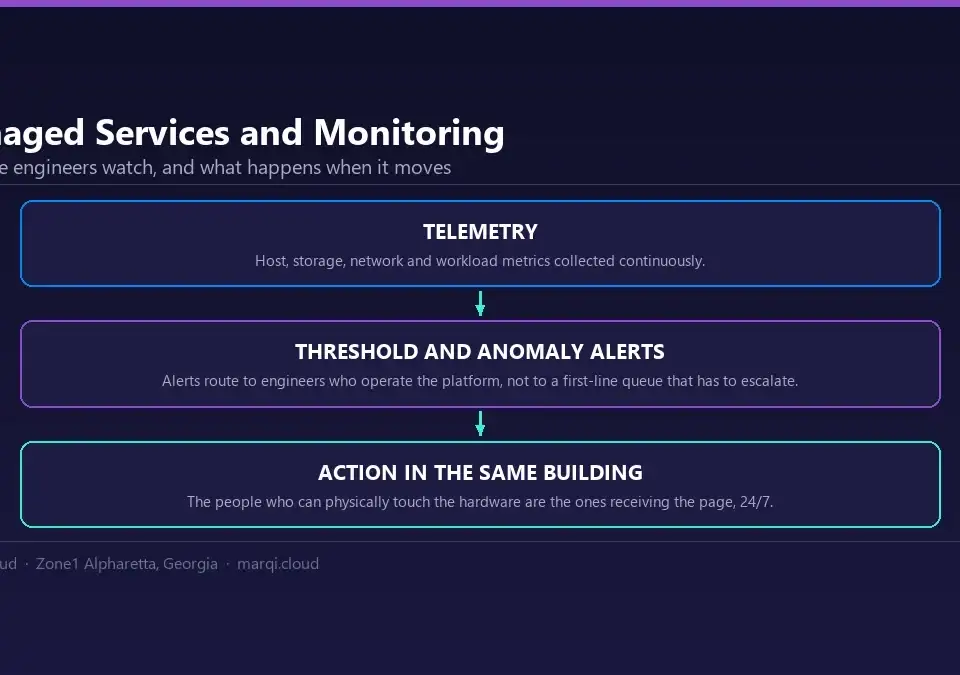
Once the integration is complete, continuously monitor the performance of your hybrid cloud environment. Optimize resources as needed to ensure efficiency and cost-effectiveness.
Business Continuity and Disaster Recovery Solutions
One of the significant advantages of integrating your on-premise servers with MarQi Cloud is the enhanced business continuity and disaster recovery capabilities. By leveraging MarQi Cloud’s infrastructure, you can:
- Implement automated backups
- Utilize geographic redundancy
- Ensure rapid recovery in case of data loss
Performance-Driven Infrastructure Design
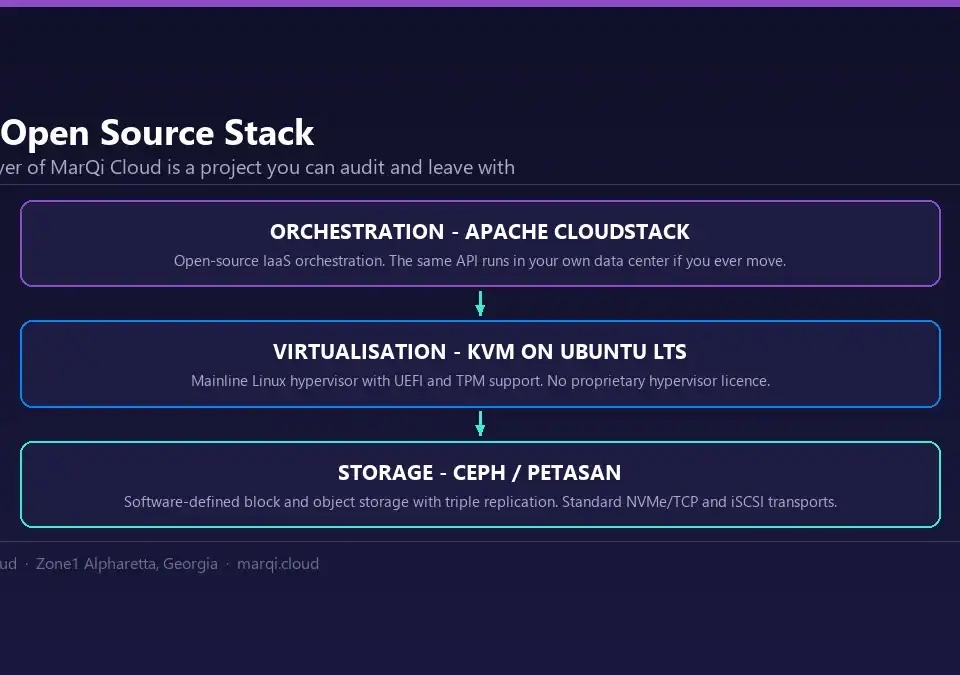
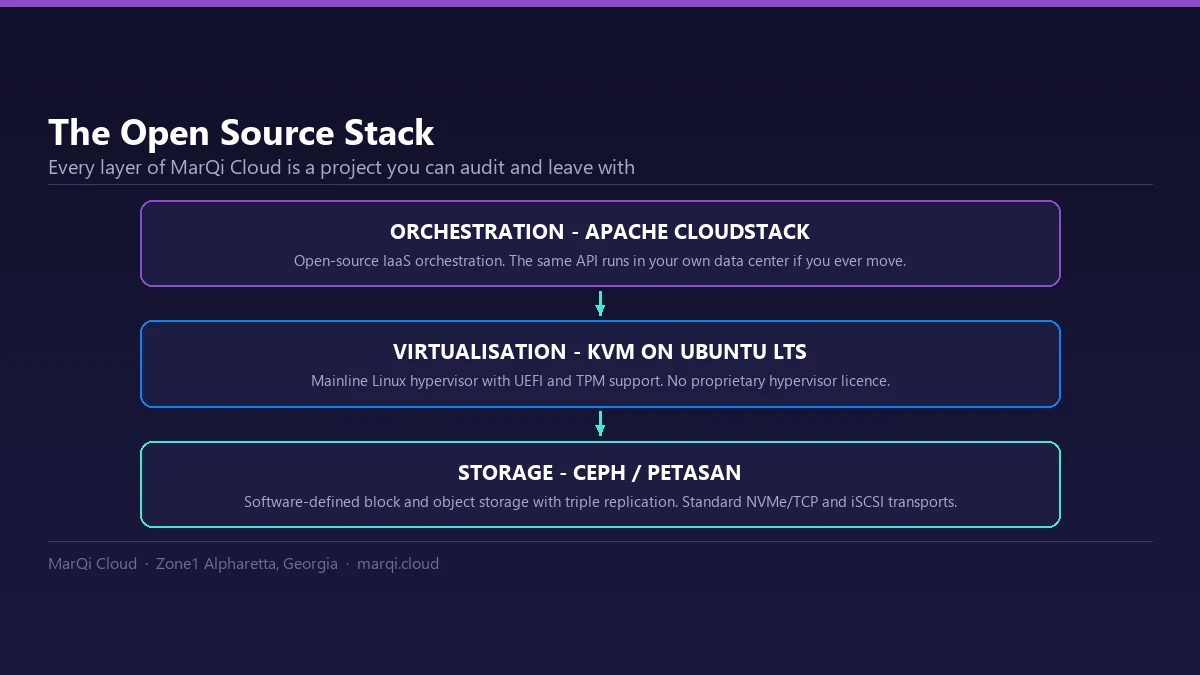
MarQi Cloud’s performance-driven infrastructure is designed to handle demanding workloads. By integrating with MarQi Cloud, your business can benefit from scalable compute and storage resources that adapt to your evolving needs.
Flexible Pricing Models
MarQi Cloud offers flexible pricing models that cater to businesses of all sizes. Whether you require pay-as-you-go options or reserved capacity, you can choose a pricing structure that aligns with your budget and operational requirements.
Conclusion
Integrating your on-premise servers with MarQi Cloud can significantly enhance your operational efficiency, scalability, and security. By following the steps outlined in this article, you can ensure a seamless integration that maximizes your resources while minimizing disruption. Embrace the future of hybrid cloud deployment and unlock the full potential of your IT infrastructure.
FAQ
1. What is hybrid cloud deployment?
A hybrid cloud deployment combines on-premise infrastructure with cloud services, allowing businesses to leverage both environments.
2. How can I ensure data security during integration?
Utilize secure connection methods, such as VPNs or Direct Connect, and ensure proper firewall settings are in place.
3. What are the benefits of integrating with MarQi Cloud?
Benefits include enhanced scalability, improved disaster recovery, and performance-driven infrastructure design.
4. Can I test the integration before fully migrating?
Yes, thorough testing is recommended to ensure functionality and performance before full migration.
5. What tools can I use for data replication?
Several tools are available for data replication, including cloud-native solutions and third-party software.
6. How does MarQi Cloud facilitate business continuity?
MarQi Cloud offers automated backups, geographic redundancy, and rapid recovery solutions for business continuity.
7. What are the pricing options for MarQi Cloud?
MarQi Cloud provides flexible pricing models, including pay-as-you-go and reserved capacity options.
8. How can I monitor the performance of my hybrid cloud?
Utilize monitoring tools and dashboards provided by MarQi Cloud to track performance metrics and optimize resources.
9. Is support available for integration issues?
Yes, MarQi Cloud offers US-based infrastructure and support for any integration-related inquiries.
10. Can I scale my resources easily with MarQi Cloud?
Yes. MarQi Cloud is designed to provide scalable compute and storage resources to meet your business needs.