What Is Hybrid Cloud and Why MarQi Cloud’s Approach Is Best for 2026
June 6, 2026
How to Integrate Your On-Premise Servers With MarQi Cloud Seamlessly
June 7, 2026
The Definitive Hybrid Cloud Strategy for 2026 Using MarQi Cloud
As we approach 2026, organizations are increasingly turning to hybrid cloud solutions to meet their diverse IT needs. A hybrid cloud strategy allows businesses to leverage both private and public cloud resources, providing flexibility, scalability, and enhanced security. In this article, we will explore how MarQi Cloud can help organizations develop a robust hybrid cloud strategy, ensuring they remain competitive and prepared for future challenges.
Understanding Hybrid Cloud
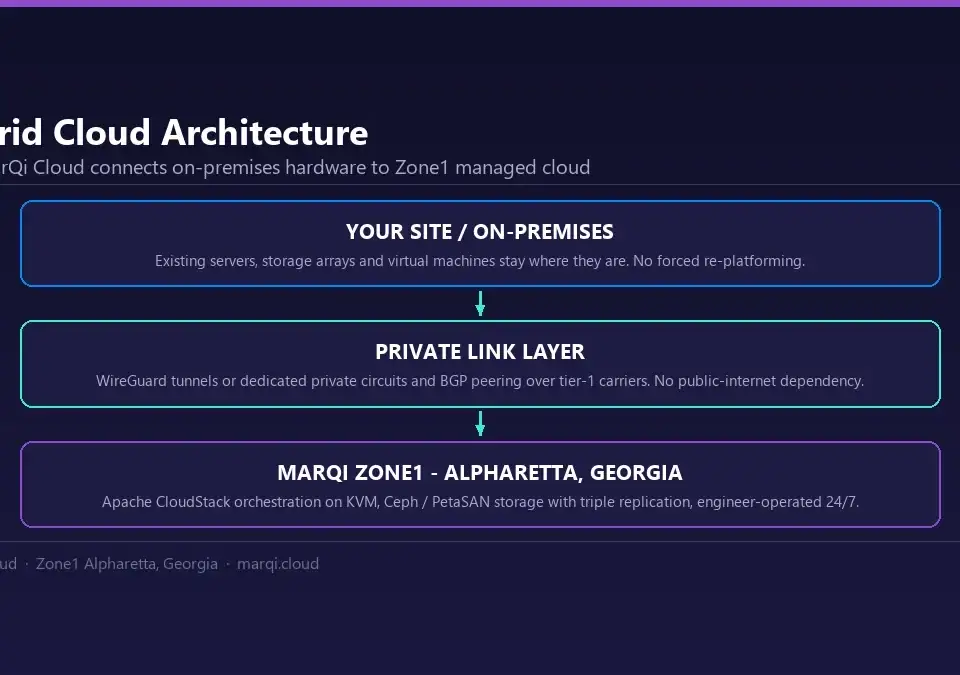
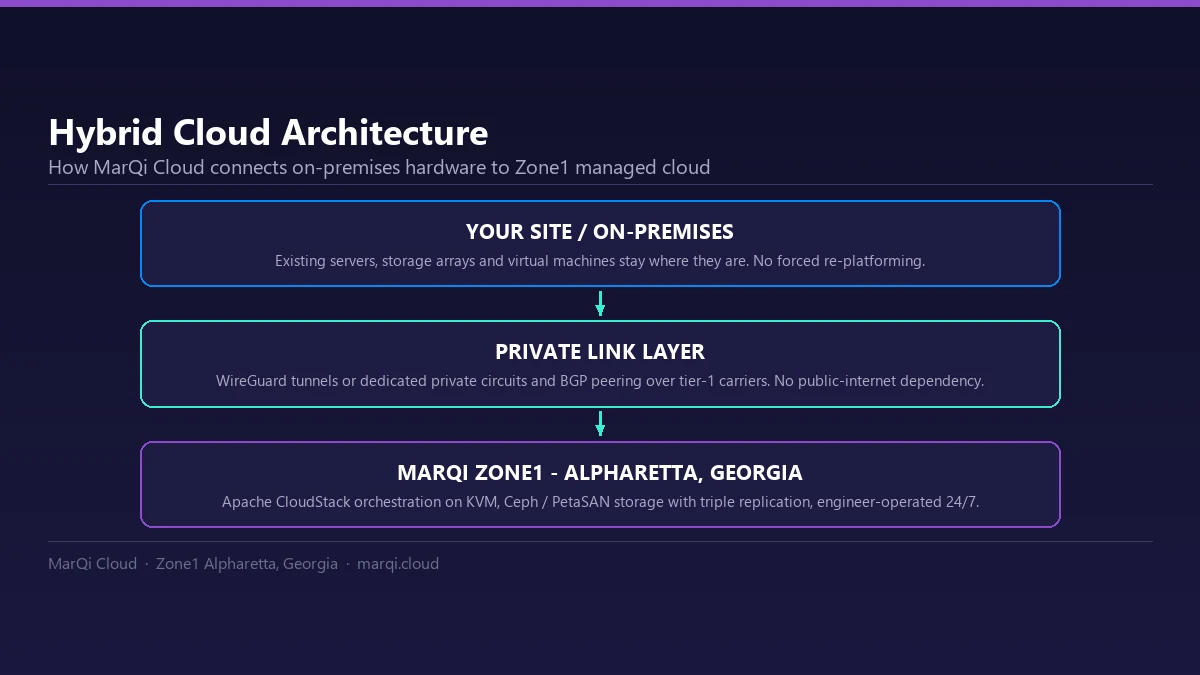
Hybrid cloud combines on-premises infrastructure—or private clouds—with public cloud services. This approach allows businesses to enjoy the best of both worlds: the security and control of private clouds and the scalability and cost-effectiveness of public clouds.
Benefits of Hybrid Cloud
1. Flexibility: Organizations can choose where to host their applications and data based on specific requirements, optimizing performance and cost.
2. Scalability: Hybrid cloud solutions allow businesses to scale their resources up or down based on demand, ensuring they can handle peak loads without incurring unnecessary costs.
3. Security: Sensitive data can be kept in a private cloud, while less critical workloads can be run in the public cloud, ensuring compliance and security.
Why Choose MarQi Cloud?
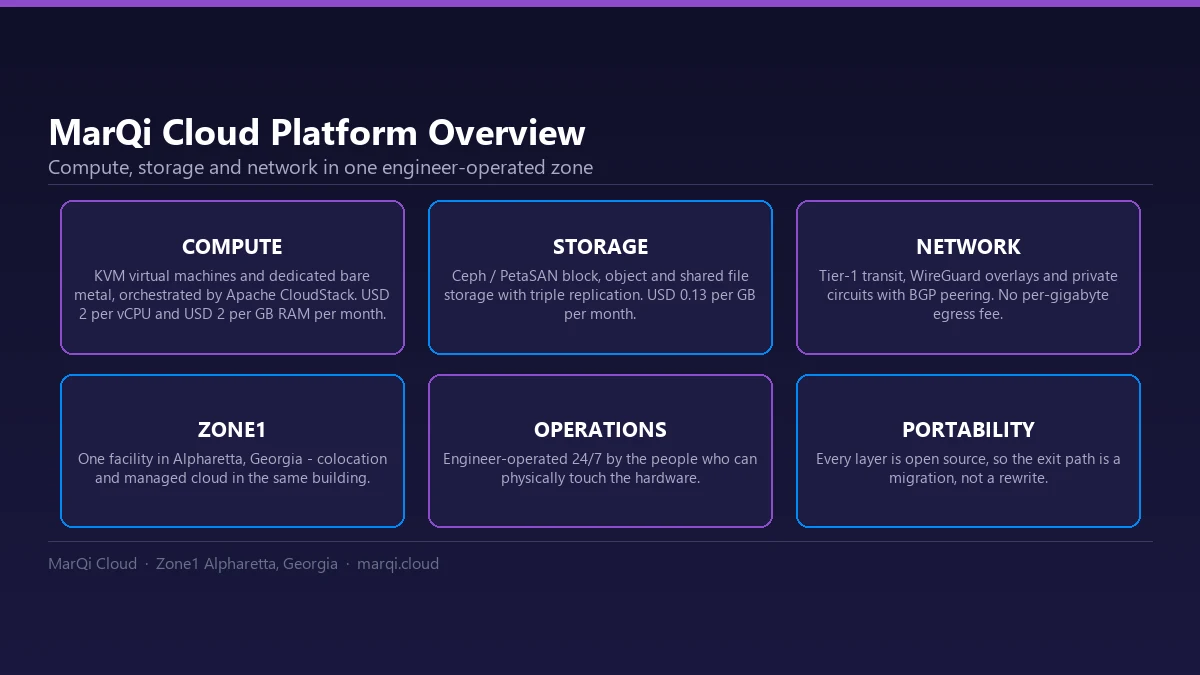
MarQi Cloud offers enterprise-grade cloud infrastructure that is ideal for organizations looking to implement a hybrid cloud strategy. Here are some of the key value propositions that set MarQi Cloud apart:
1. Enterprise-grade Cloud Infrastructure
MarQi Cloud provides a reliable and high-performance infrastructure that supports demanding applications and workloads. Our platform is built on cutting-edge technology to ensure optimal performance and reliability.
2. Hybrid Cloud Deployment Models
With MarQi Cloud, organizations can choose from various hybrid cloud deployment models tailored to their specific needs. This flexibility enables businesses to maintain control over their data while leveraging the power of the public cloud.
3. Private and Secure Hosting Environments
Security is a top priority for any organization. MarQi Cloud offers private hosting environments with advanced security features, ensuring that sensitive data remains protected.
4. Scalable Compute and Storage Resources
As businesses grow, so do their computing and storage needs. MarQi Cloud provides scalable resources that can be adjusted on-the-fly, allowing organizations to adapt to changing demands quickly.
5. Business Continuity and Disaster Recovery Solutions
In today’s digital landscape, business continuity is paramount. MarQi Cloud offers robust disaster recovery solutions to minimize downtime and ensure that your business can recover quickly from unexpected events.
6. Performance-Driven Infrastructure Design
Our infrastructure is designed with performance in mind, allowing organizations to run their applications efficiently. This performance-driven approach ensures that businesses can deliver the best service to their customers.
7. US-Based Infrastructure and Support
MarQi Cloud’s infrastructure and support teams are based in the United States, providing organizations with reliable and responsive support when they need it most.
8. Flexible Pricing Models
MarQi Cloud offers flexible pricing models that allow organizations to choose a plan that fits their budget and needs, ensuring they get the best value for their investment.
Developing Your Hybrid Cloud Strategy
To successfully implement a hybrid cloud strategy using MarQi Cloud, organizations should follow these key steps:
1. Assess Your Needs
Begin by assessing your organization’s specific needs, including compliance requirements, data sensitivity, and application performance. Understanding these factors will help guide your hybrid cloud strategy.
2. Identify Workloads
Determine which workloads are best suited for the public cloud and which should remain in a private environment. Consider factors such as performance, security, and cost.
3. Choose the Right Tools
MarQi Cloud provides various tools and services to facilitate a seamless hybrid cloud experience. Choose the right tools that align with your organization’s goals and technical requirements.
4. Implement Security Measures
Security is paramount in a hybrid cloud environment. Implement robust security measures, including encryption, access controls, and regular audits, to protect your data.
5. Monitor and Optimize
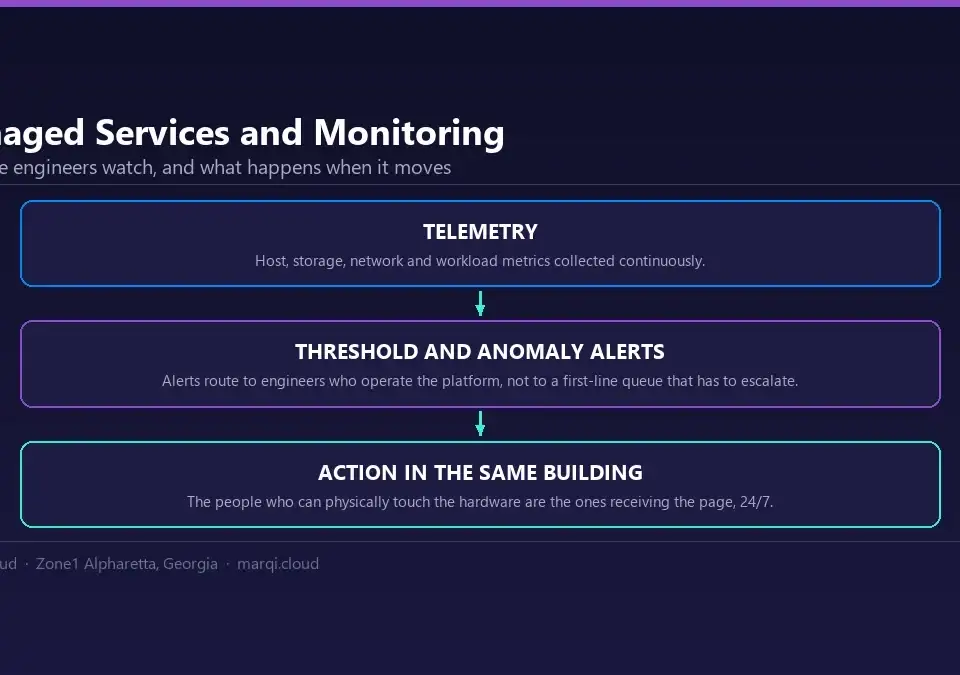
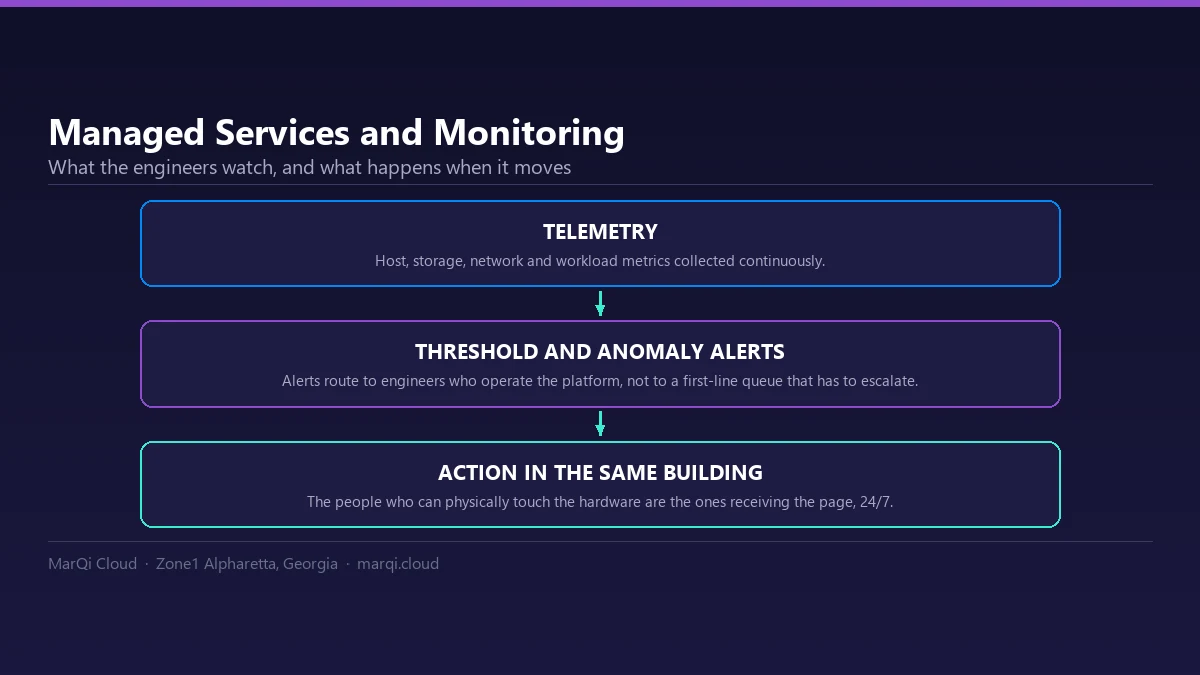
Once your hybrid cloud environment is up and running, continuously monitor performance and optimize resources. Use analytics to gain insights into usage patterns and identify areas for improvement.
6. Plan for Disaster Recovery
Ensure that you have a solid disaster recovery plan in place. MarQi Cloud offers solutions that help you prepare for unexpected events and minimize downtime.
7. Train Your Team
Invest in training your team to understand and manage the hybrid cloud environment effectively. This investment will pay off in the long run, ensuring your organization can leverage the benefits of a hybrid cloud.
Future Trends in Hybrid Cloud
As we look towards 2026, several trends are expected to shape the hybrid cloud landscape:
1. Increased Adoption of AI and ML
Artificial intelligence (AI) and machine learning (ML) will play a significant role in optimizing hybrid cloud environments, enabling businesses to automate processes and improve decision-making.
2. Enhanced Security Measures
As cyber threats continue to evolve, organizations will need to adopt advanced security measures, including AI-driven security solutions that can detect and respond to threats in real-time.
3. Greater Focus on Sustainability
Businesses are increasingly prioritizing sustainability in their IT strategies. Hybrid cloud solutions that offer energy-efficient options will become more popular as organizations seek to reduce their carbon footprint.
4. Edge Computing Integration
As more devices become connected, integrating edge computing with hybrid cloud strategies will become essential for processing data closer to the source, reducing latency and improving performance.
5. Multi-Cloud Environments
Organizations will likely adopt multi-cloud strategies, utilizing multiple cloud providers for different workloads to avoid vendor lock-in and optimize performance.
Conclusion
Developing a hybrid cloud strategy for 2026 is essential for organizations that want to remain competitive in an increasingly digital world. MarQi Cloud provides the enterprise-grade infrastructure, security, and support necessary to implement a successful hybrid cloud strategy. By following the outlined steps and preparing for future trends, organizations can leverage the power of the hybrid cloud to drive innovation and growth.
FAQs
1. What is a hybrid cloud?
A hybrid cloud is a computing environment that combines public cloud services with private cloud infrastructure, allowing organizations to run applications and store data in the most suitable environment.
2. Why should I choose MarQi Cloud for my hybrid cloud strategy?
MarQi Cloud offers enterprise-grade infrastructure, flexible deployment models, robust security, and US-based support, making it an ideal choice for businesses looking to implement a hybrid cloud strategy.
3. How can I determine which workloads to run in the cloud?
Assess your organization’s specific needs, including performance requirements, security concerns, and cost considerations, to determine the most suitable workloads for the cloud.
4. What security measures should I implement in a hybrid cloud environment?
Implement encryption, access controls, regular audits, and monitoring to protect your data in a hybrid cloud environment.
5. How can I ensure business continuity in a hybrid cloud setup?
Develop a disaster recovery plan that includes backup solutions and redundancy to minimize downtime and ensure business continuity in a hybrid cloud environment.
6. What trends should I watch for in hybrid cloud technology?
Key trends include the increased adoption of AI and ML, enhanced security measures, a focus on sustainability, edge computing integration, and multi-cloud environments.
7. How do I train my team for hybrid cloud management?
Provide training resources and opportunities for your team to learn about hybrid cloud management, tools, and best practices to ensure effective operation and maintenance.
8. Can MarQi Cloud help with regulatory compliance?
Yes, MarQi Cloud offers solutions and guidance to help organizations meet regulatory compliance requirements while leveraging hybrid cloud environments.
9. What are the cost implications of using a hybrid cloud?
The cost of a hybrid cloud can vary based on usage, resources, and deployment models. MarQi Cloud offers flexible pricing models to accommodate different budgets and needs.
10. How can I start implementing a hybrid cloud strategy with MarQi Cloud?
Contact MarQi Cloud at +1 770-369-9321 to discuss your needs and explore tailored solutions for implementing a hybrid cloud strategy.