MarQi Cloud SSH Key Management: The Security Baseline Every Team Needs
April 7, 2026
The MarQi Cloud Log Management Guide: Centralize, Search, and Alert on Everything
April 7, 2026
How to Run Elasticsearch at Scale on MarQi Cloud Without Index Bottlenecks
In today’s data-driven world, the ability to efficiently search and analyze large volumes of data is crucial for businesses. Elasticsearch has emerged as a powerful tool for full-text search, analytics, and data visualization. However, running Elasticsearch at scale can present challenges, particularly when it comes to indexing performance. In this article, we will explore how to deploy Elasticsearch on MarQi Cloud and avoid index bottlenecks, ensuring optimal performance and scalability for your applications.
Understanding Elasticsearch and Its Importance
Elasticsearch is a distributed search and analytics engine built on top of Apache Lucene. It allows for real-time search and analytics capabilities, making it a popular choice for applications that require fast retrieval of large datasets. With its ability to handle structured and unstructured data, Elasticsearch is used across various industries for log and event data analysis, e-commerce search, and more.
Challenges of Running Elasticsearch at Scale
While Elasticsearch is designed to handle large datasets, scaling it effectively requires careful planning and consideration. Some common challenges include:
1. Indexing Bottlenecks
As the volume of data increases, the rate at which you can index documents may not keep pace, leading to bottlenecks. This can result in degraded performance and slower search times.
2. Resource Management
Elasticsearch requires significant CPU, memory, and disk I/O resources, particularly when handling large volumes of data. Without proper resource allocation, performance can suffer.
3. Cluster Coordination
Managing multiple nodes in an Elasticsearch cluster can be complex. Issues with cluster coordination can lead to inconsistencies and reduced performance.
Why Choose MarQi Cloud for Elasticsearch
MarQi Cloud offers enterprise-grade cloud infrastructure that is particularly well-suited for running demanding applications like Elasticsearch. Here are some reasons why you should consider MarQi Cloud for your Elasticsearch deployment:
1. Hybrid Cloud Deployment Models
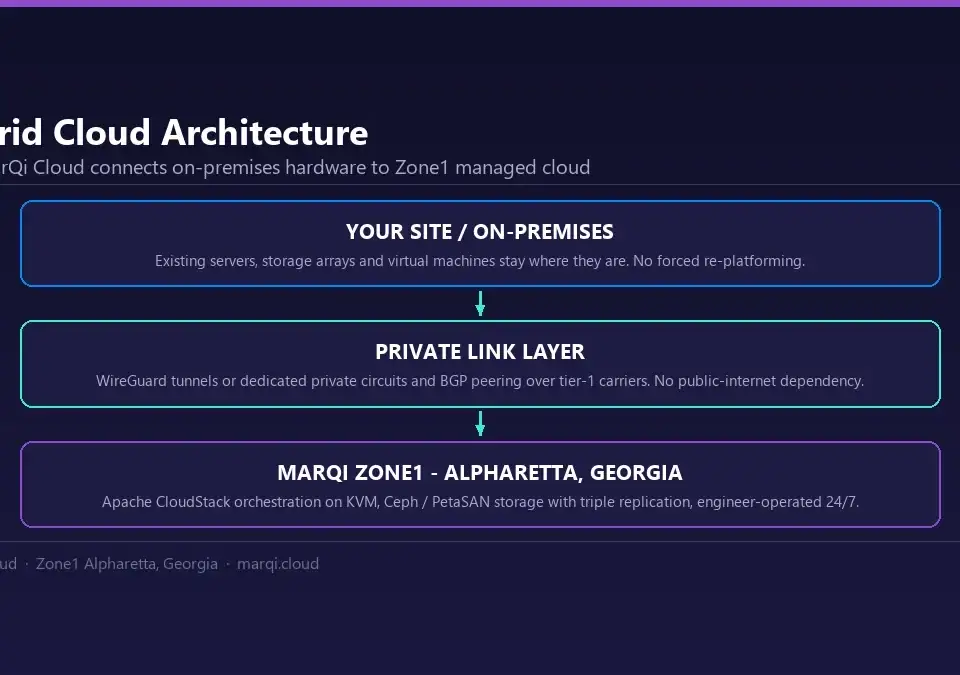
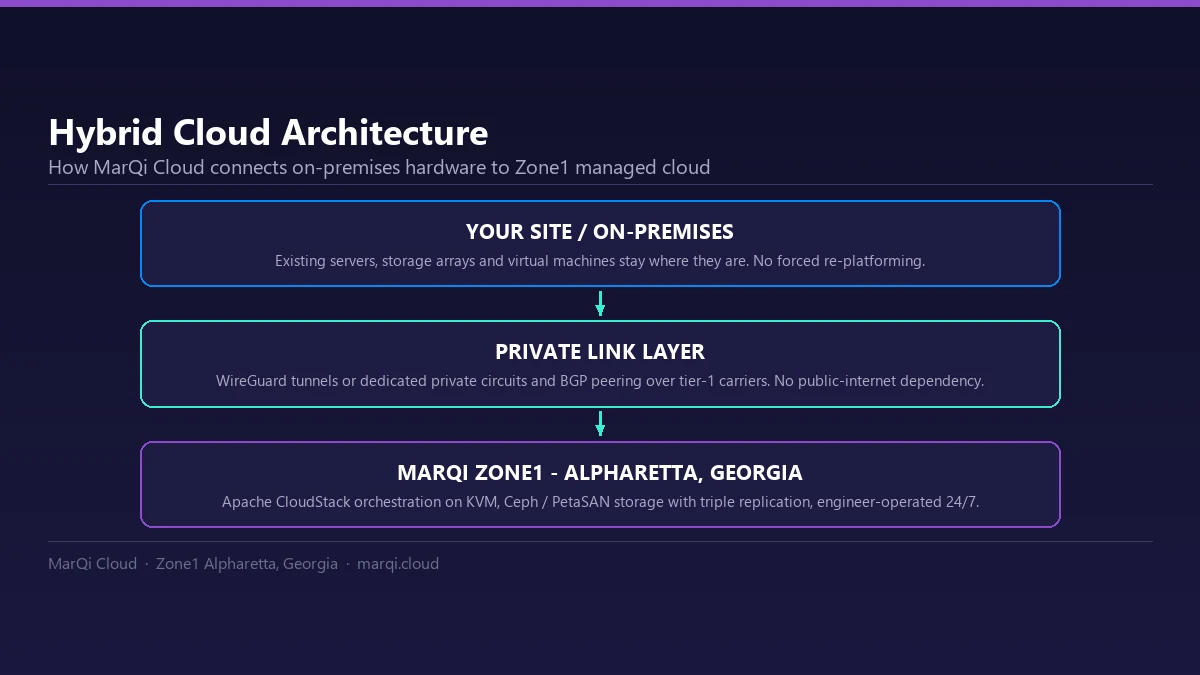
MarQi Cloud supports hybrid cloud deployment models, allowing you to choose the best architecture for your needs. You can seamlessly integrate on-premises resources with cloud resources, providing flexibility and scalability.
2. Private and Secure Hosting Environments
Security is paramount when handling sensitive data. MarQi Cloud provides private and secure hosting environments, ensuring that your Elasticsearch data is protected against unauthorized access.
3. Scalable Compute and Storage Resources
With MarQi Cloud, you can easily scale your compute and storage resources based on your Elasticsearch workload. This ensures that you have the necessary resources to handle spikes in data volume without sacrificing performance.
4. Performance-Driven Infrastructure Design
The performance-driven infrastructure of MarQi Cloud is designed to meet the demands of high-throughput applications. This helps eliminate indexing bottlenecks and ensures fast search response times.
Best Practices for Running Elasticsearch at Scale on MarQi Cloud
To maximize the performance of your Elasticsearch deployment on MarQi Cloud, consider the following best practices:
1. Optimize Index Settings
Adjusting index settings can significantly improve indexing speed and performance. Consider the following:
- Refresh Interval: Increase the refresh interval during heavy indexing to reduce the overhead of making segments searchable.
- Number of Shards: Optimize the number of shards per index based on your data volume. Too many shards can lead to overhead, while too few can result in bottlenecks.
2. Use Bulk API for Indexing
The Elasticsearch Bulk API allows you to index multiple documents in a single request, reducing the overhead associated with individual indexing requests. This can greatly enhance indexing performance, especially when dealing with large datasets.
3. Monitor and Adjust Resource Allocation
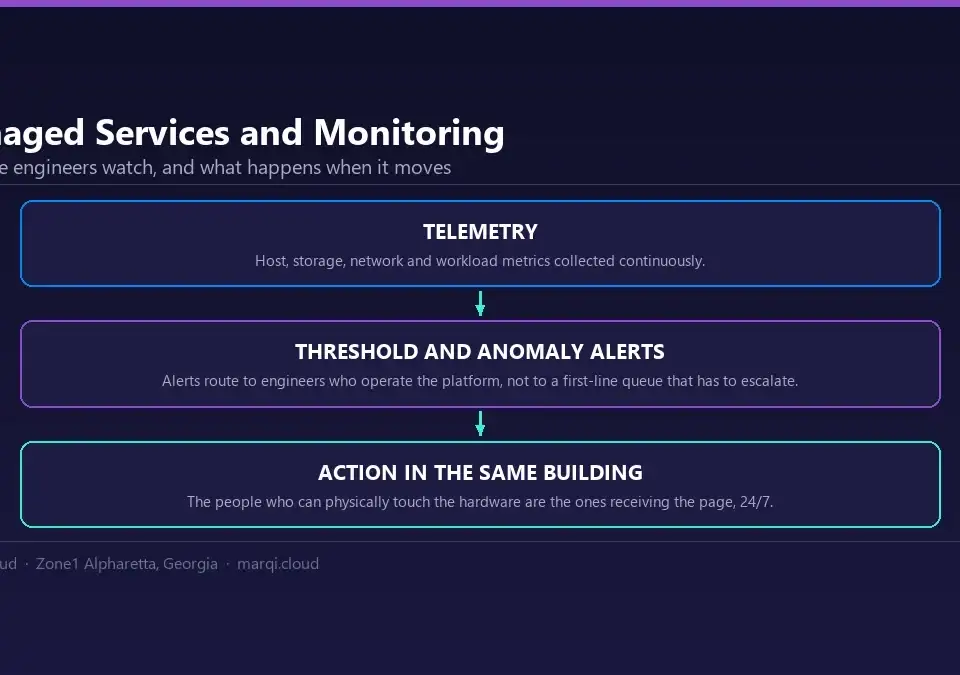
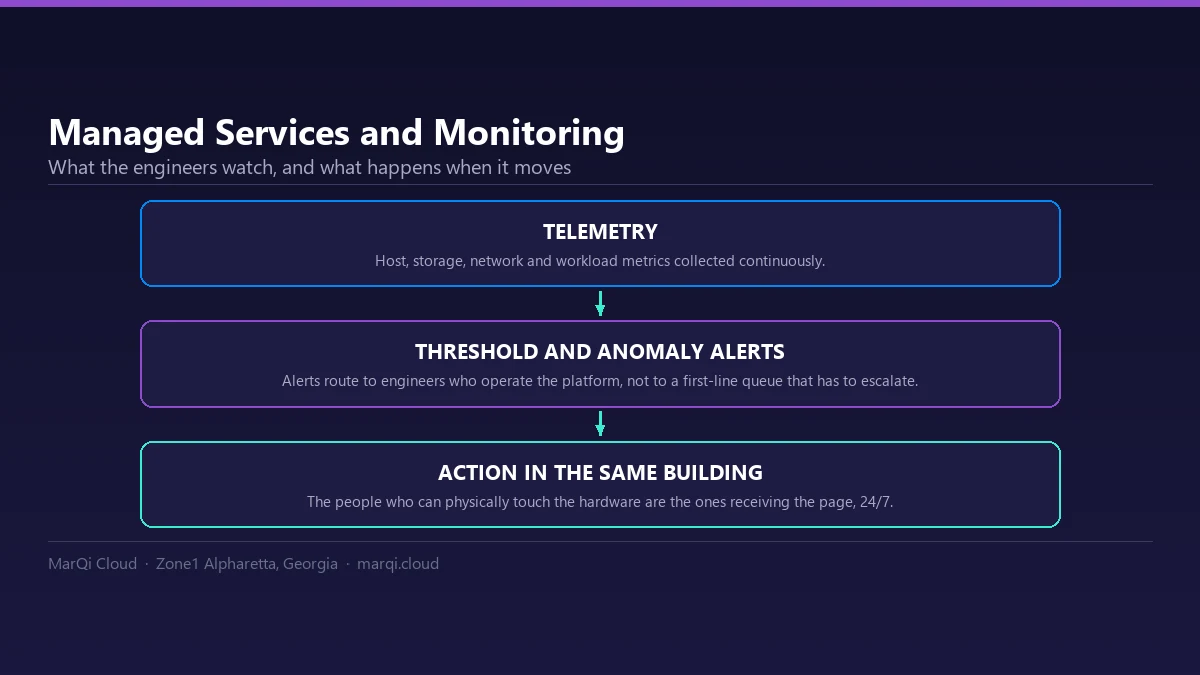
Utilize MarQi Cloud’s scalable resources to monitor your Elasticsearch instances and adjust resource allocation as needed. Ensure that your nodes have sufficient CPU and memory to handle indexing and querying workloads efficiently.
4. Implement Index Lifecycle Management (ILM)
Index Lifecycle Management allows you to automate the management of your indices based on their age and performance characteristics. This can help optimize storage and improve search performance by managing how indices are rolled over, deleted, or frozen.
5. Optimize Query Performance
In addition to optimizing indexing, it’s crucial to optimize your queries. Utilize techniques like filtering, caching, and avoiding wildcards where possible to ensure that your search queries are efficient.
Monitoring and Troubleshooting Elasticsearch Performance
Even with the best practices in place, monitoring performance is essential to ensure that your Elasticsearch deployment remains efficient. Use the following tools and techniques:
1. Elasticsearch Monitoring Tools
Tools like Kibana and Elastic Stack provide valuable insights into your Elasticsearch performance. Use these tools to monitor key performance metrics such as indexing rate, search latency, and cluster health.
2. Log Analysis
Analyze Elasticsearch logs to identify performance issues. Look for error messages, slow queries, and other indicators that may suggest bottlenecks.
3. Cluster Health Checks
Regularly check the health of your Elasticsearch cluster. Use the `_cluster/health` endpoint to monitor the status of your nodes and indices. This can help you identify any potential issues before they impact performance.
Conclusion
Running Elasticsearch at scale on MarQi Cloud can provide the performance and scalability needed to meet the demands of modern applications. By implementing best practices and leveraging MarQi Cloud’s robust infrastructure, you can overcome indexing bottlenecks and ensure a smooth search experience for your users. With careful planning, monitoring, and optimization, your Elasticsearch deployment can thrive in a cloud environment.
Frequently Asked Questions (FAQ)
1. What is Elasticsearch?
Elasticsearch is a distributed search and analytics engine that enables fast retrieval and analysis of large datasets.
2. How does MarQi Cloud support Elasticsearch deployments?
MarQi Cloud provides enterprise-grade infrastructure, scalable resources, and secure hosting environments for Elasticsearch applications.
3. What are indexing bottlenecks?
Indexing bottlenecks occur when the rate of document indexing slows down, impacting overall performance and search capabilities.
4. How can I optimize indexing performance in Elasticsearch?
Optimizing indexing performance can be achieved by adjusting index settings, using the Bulk API, and monitoring resource allocation.
5. What is the Bulk API in Elasticsearch?
The Bulk API allows for the indexing of multiple documents in a single request, improving performance during heavy indexing operations.
6. Why is monitoring important for Elasticsearch performance?
Monitoring helps identify performance issues and bottlenecks, ensuring that your Elasticsearch deployment remains efficient and responsive.
7. What is Index Lifecycle Management (ILM)?
Index Lifecycle Management is a feature that automates the management of indices based on their age and performance characteristics.
8. How can I improve query performance in Elasticsearch?
Query performance can be improved by using filters, caching, and avoiding wildcard searches wherever possible.
9. Can I run Elasticsearch on MarQi Cloud’s hybrid infrastructure?
Yes, MarQi Cloud supports hybrid cloud deployment models, allowing you to integrate on-premises resources with cloud resources for Elasticsearch.
10. How can I contact MarQi Cloud for support?
You can reach MarQi Cloud at +1 770-369-9321 for any inquiries or support regarding your Elasticsearch deployment.