Application Development and Hosting: How ‘Build and Run’ Accelerates Delivery
February 26, 2026
Cloud Migration Without Downtime: Blue/Green and Cutover Strategies
February 26, 2026
Hybrid Cloud for Manufacturing and Logistics: Keeping Edge Systems Close to Core Applications
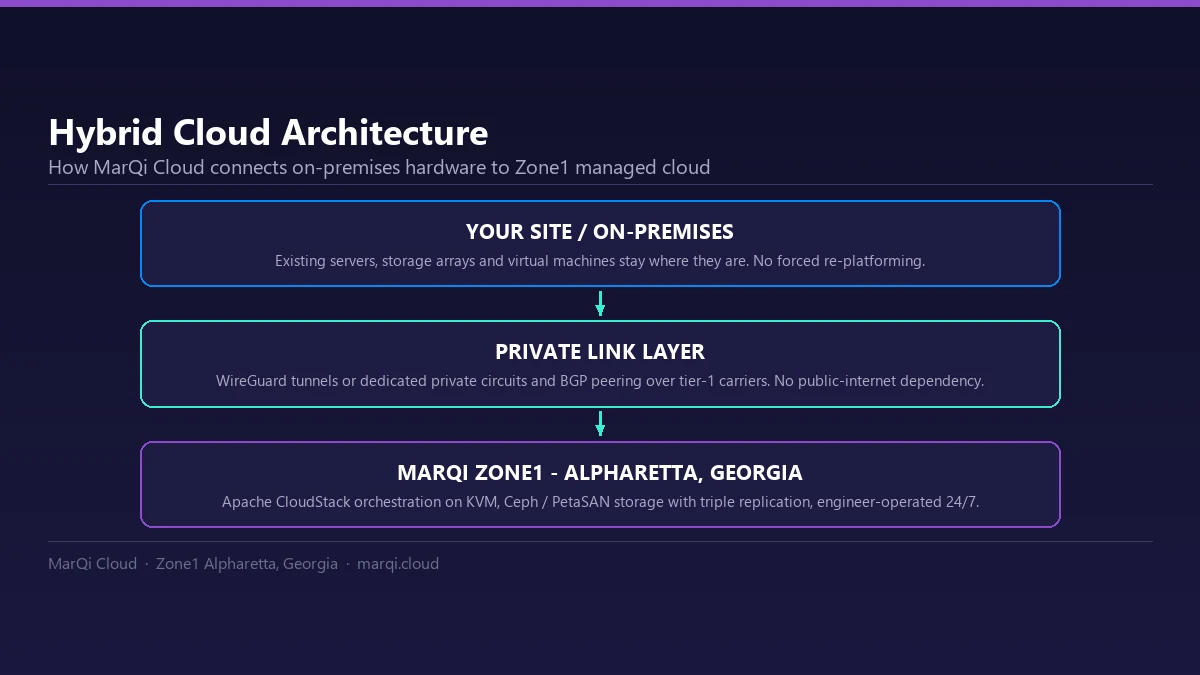
The landscape of manufacturing and logistics is rapidly evolving, with companies increasingly turning to hybrid cloud solutions to enhance their operations. As industries strive for greater efficiency, flexibility, and innovation, the hybrid cloud model emerges as a powerful tool that brings edge systems closer to core applications. In this article, we will explore the benefits of hybrid cloud for manufacturing and logistics, how it operates, and why it is becoming a necessity in today’s competitive environment.
Understanding Hybrid Cloud
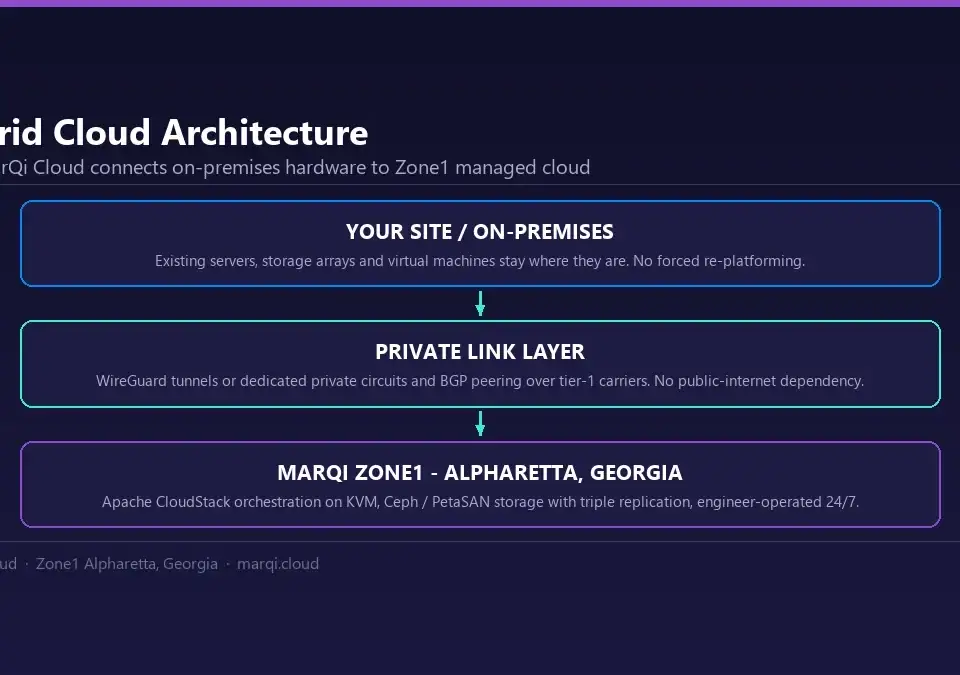
Before delving into the specifics of how hybrid cloud benefits manufacturing and logistics, it’s essential to understand what hybrid cloud entails. A hybrid cloud is a computing environment that combines public and private clouds, allowing businesses to operate both in-house and remotely. This model ensures that sensitive data can be stored securely while leveraging the scalability and cost-effectiveness of public cloud services.
The Role of Edge Computing in Manufacturing and Logistics
Edge computing refers to processing data closer to the source rather than relying solely on centralized data centers. In manufacturing and logistics, edge systems play a critical role in real-time data processing, which is vital for operational efficiency. By integrating edge computing with hybrid cloud solutions, organizations can enhance their responsiveness and agility.
Key Advantages of Edge Systems
- Reduced Latency: Proximity to data sources minimizes delays in data processing, enabling faster decision-making.
- Improved Bandwidth Efficiency: By processing data on-site, companies can reduce the amount of data sent to central servers, optimizing bandwidth usage.
- Enhanced Security: Keeping sensitive data local reduces the risk of exposure during transmission.
Benefits of Hybrid Cloud for Manufacturing and Logistics
Implementing a hybrid cloud approach in the manufacturing and logistics sectors comes with numerous advantages.
1. Scalability and Flexibility
Hybrid cloud solutions allow businesses to scale their infrastructure according to demand. During peak seasons, additional resources can be quickly provisioned from the public cloud without the need for significant upfront investment in hardware.
2. Business Continuity and Disaster Recovery
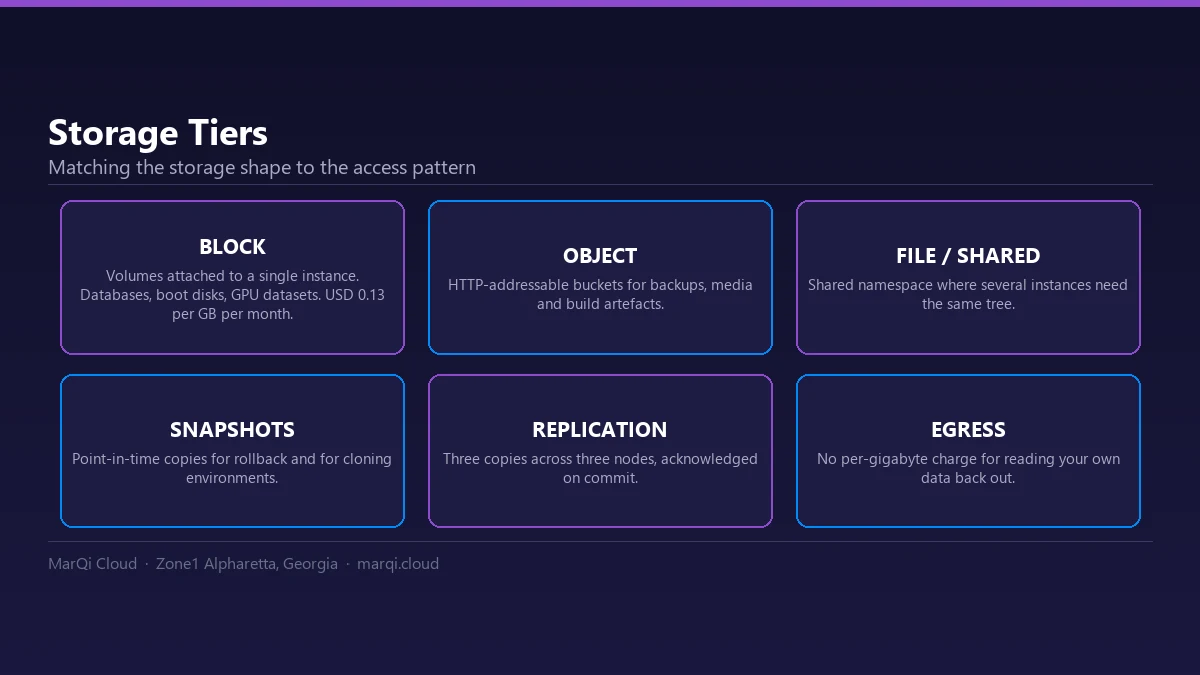
With hybrid cloud deployments, manufacturers and logistics providers can ensure business continuity through robust disaster recovery solutions. Data can be backed up in the cloud, ensuring access even in the event of a local failure.
3. Cost Efficiency
By leveraging a combination of public and private clouds, organizations can optimize their IT spending. Public clouds offer pay-as-you-go pricing models, allowing companies to only pay for the resources they use.
4. Enhanced Collaboration
Hybrid cloud environments enable better collaboration between teams by providing access to shared resources and applications from anywhere. This is particularly beneficial for logistics companies that rely on real-time data sharing between different locations.
5. Improved Data Insights
Real-time data processing at the edge allows for immediate insights, which can be crucial for making informed decisions. This capability supports predictive analytics, leading to improved operational efficiency.
Implementing Hybrid Cloud in Manufacturing and Logistics
Transitioning to a hybrid cloud model requires careful planning and execution. Here are the key steps organizations should consider:
1. Assess Current Infrastructure
Evaluate existing IT infrastructure to determine what can be migrated to the cloud and what needs to remain on-premises. This assessment will help in crafting a tailored hybrid cloud strategy.
2. Identify Key Applications
Determine which applications and workloads are best suited for the hybrid cloud environment. Core applications that require high availability and low latency should be prioritized.
3. Choose the Right Cloud Providers
Select cloud service providers that align with your business needs. Consider factors such as support, security measures, and compliance with industry standards.
4. Implement Security Protocols
Security is paramount in any cloud strategy. Implement robust security protocols to protect sensitive data both at rest and in transit.
5. Train Employees
Provide training for employees to ensure they understand how to leverage hybrid cloud tools effectively. This will help maximize the benefits of the new infrastructure.
Challenges of Hybrid Cloud in Manufacturing and Logistics
While hybrid cloud offers numerous benefits, there are challenges that organizations may face during implementation.
1. Complexity
The hybrid cloud model can introduce complexity in management and operations. Ensuring seamless interoperability between public and private cloud services requires careful planning.
2. Security Concerns
Despite enhanced security measures, the hybrid cloud can still be vulnerable to cyber threats. Organizations must continually monitor and update their security protocols.
3. Compliance Issues
Manufacturers and logistics providers must navigate a complex landscape of regulations. Ensuring compliance in a hybrid cloud environment can be challenging, especially with data residency laws.
Example Scenarios: Hybrid Cloud Implementations
The scenarios below are illustrative examples of how organizations typically apply these practices; they do not describe specific MarQi Cloud customers or measured results.
To highlight the effectiveness of hybrid cloud solutions, let’s explore a few case studies of organizations in the manufacturing and logistics sectors that have successfully implemented hybrid cloud strategies.
1. Company A: Streamlining Operations
Company A, a global manufacturer, adopted a hybrid cloud solution to streamline its supply chain operations. By integrating edge computing with cloud resources, they reduced latency in data processing, leading to improved inventory management and faster order fulfillment.
2. Company B: Enhancing Data Security
Company B, a logistics provider, transitioned to a hybrid cloud model to enhance data security while maintaining scalability. Their robust disaster recovery solutions ensured business continuity, even during unexpected disruptions.
Conclusion
Hybrid cloud solutions are revolutionizing the manufacturing and logistics sectors by keeping edge systems close to core applications. With benefits such as scalability, cost efficiency, and enhanced collaboration, organizations can thrive in an increasingly competitive landscape. However, careful planning and execution are critical to overcoming potential challenges. As we continue to embrace digital transformation, hybrid cloud will undoubtedly play a pivotal role in the future of manufacturing and logistics.
FAQ
1. What is a hybrid cloud?
A hybrid cloud is a computing environment that combines both public and private cloud infrastructures, allowing businesses to utilize the advantages of both models.
2. How does hybrid cloud benefit manufacturing?
Hybrid cloud benefits manufacturing by providing scalability, cost efficiency, enhanced collaboration, and improved data insights.
3. What is edge computing?
Edge computing involves processing data closer to its source, minimizing latency and optimizing bandwidth.
4. Can hybrid cloud improve disaster recovery?
Yes, hybrid cloud solutions can enhance disaster recovery capabilities by allowing data to be backed up securely in the cloud.
5. What challenges come with implementing a hybrid cloud?
Challenges may include complexity in management, security concerns, and compliance issues.
6. How do I choose a cloud service provider?
Consider factors such as support, security features, compliance, and alignment with your business needs when selecting a cloud provider.
7. Is training necessary for employees?
Yes, training is essential to ensure employees can effectively leverage hybrid cloud tools and maximize the system’s benefits.
8. How can I ensure data security in a hybrid cloud?
Implement robust security protocols, including encryption, access controls, and continuous monitoring to protect data in a hybrid cloud environment.