The Ultimate Guide to GPU Server Hosting for AI Agencies
March 26, 2026
Revolutionizing Data Center Efficiency: AI Data Center Cooling Technologies
March 27, 2026
Hybrid Cloud GPU Strategy for 2027: Navigating the Future of Computing
As we move further into the 21st century, the demand for advanced computing capabilities is growing exponentially. Businesses across various sectors are increasingly turning to hybrid cloud solutions to meet their computing needs. One of the most significant advancements in this area is the integration of Graphics Processing Units (GPUs) into hybrid cloud strategies. In this article, we will explore the hybrid cloud GPU strategy for 2027, examining its implications, benefits, and the essential components that organizations must consider to stay competitive.
What is Hybrid Cloud?
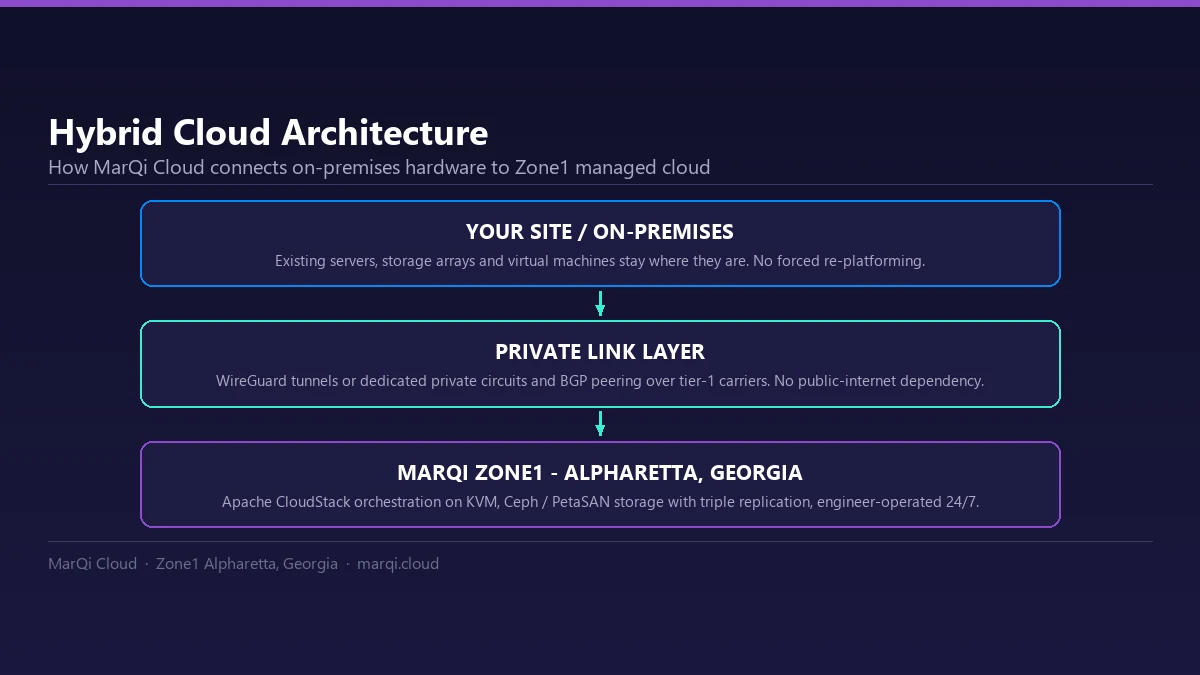
Before delving into the specifics of hybrid cloud GPU strategies, it’s crucial to understand what hybrid cloud means. A hybrid cloud is a computing environment that combines a private cloud with one or more public clouds, allowing data and applications to be shared between them. This model offers the flexibility of public cloud resources while maintaining the security and control of private cloud infrastructures.
The Rise of GPUs in Hybrid Cloud
Graphics Processing Units have traditionally been associated with gaming and graphic design, but their capabilities extend far beyond these domains. In recent years, GPUs have become an essential component of cloud computing, particularly for tasks that require massive parallel processing power, such as artificial intelligence (AI), machine learning (ML), big data analytics, and complex simulations.
Why GPUs?
GPUs are designed to handle multiple tasks simultaneously, making them ideal for workloads that involve large datasets and extensive computation. Their architecture allows for significant performance boosts compared to traditional CPUs, particularly in scenarios involving:
- Data processing
- Real-time analytics
- AI and machine learning model training
- 3D rendering and simulation
Benefits of a Hybrid Cloud GPU Strategy
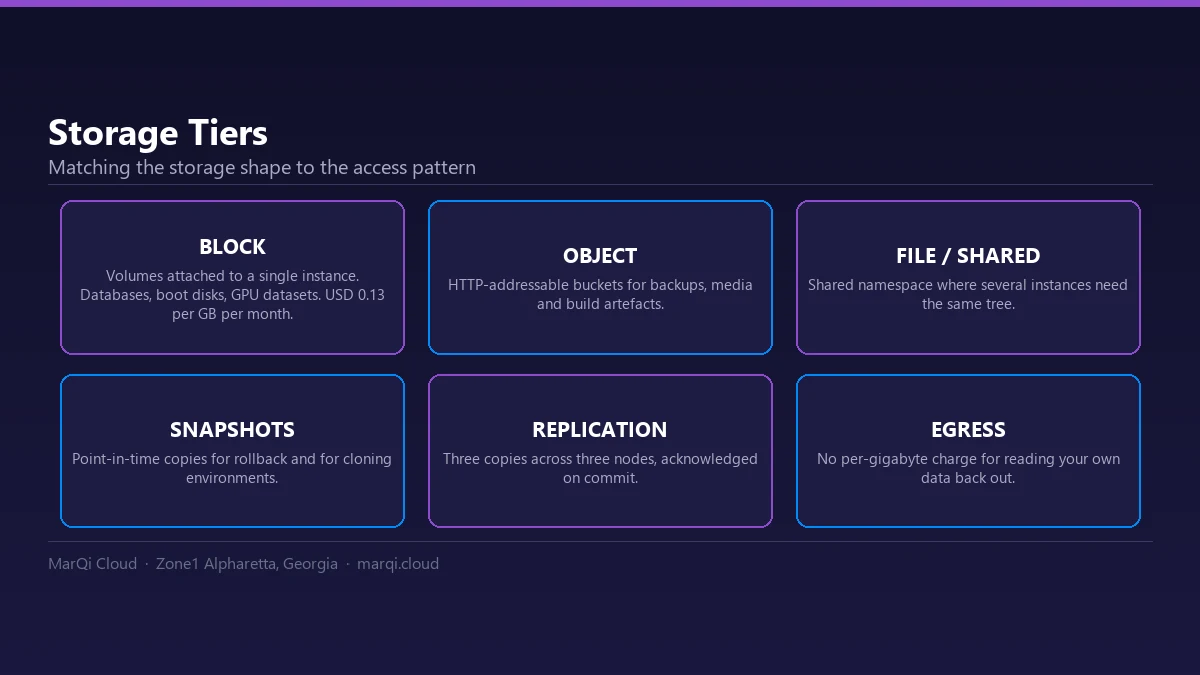
Implementing a hybrid cloud GPU strategy offers numerous advantages for organizations looking to enhance their computing capabilities. Here are some of the key benefits:
1. Scalability
Hybrid cloud solutions allow organizations to scale their GPU resources according to demand. Businesses can leverage public cloud resources during peak times and rely on private clouds for regular workloads, ensuring optimal utilization of resources.
2. Cost Efficiency
With flexible pricing models, organizations can choose when and how to allocate their budget for GPU resources. This flexibility helps in minimizing costs while maximizing performance.
3. Enhanced Performance
By utilizing GPUs in a hybrid cloud environment, organizations can achieve significant performance improvements in data processing and analysis, enabling faster decision-making and innovation.
4. Business Continuity
Hybrid cloud infrastructures provide robust disaster recovery solutions. In the event of a failure in one environment, workloads can be seamlessly transferred to another, ensuring business continuity.
5. Security and Compliance
With sensitive data often being processed in GPU-intensive tasks, a hybrid cloud strategy allows organizations to keep critical data within their private cloud while leveraging public cloud resources for less sensitive workloads.
Key Components of a Hybrid Cloud GPU Strategy
As organizations prepare for 2027, several key components must be considered when designing a hybrid cloud GPU strategy:
1. Infrastructure Design
Performance-driven infrastructure design is crucial for maximizing the benefits of GPUs in a hybrid cloud environment. Organizations must consider factors such as network latency, bandwidth, and GPU availability when designing their infrastructure.
2. Hybrid Cloud Management Tools
Managing a hybrid cloud environment requires robust management tools that provide visibility across both public and private clouds. These tools should facilitate workload orchestration, resource allocation, and performance monitoring.
3. Data Governance
Data governance policies must be established to ensure that data is managed effectively across different cloud environments. Organizations should define protocols for data security, compliance, and access control.
4. GPU Resource Allocation
Effective GPU resource allocation strategies are essential for optimizing performance. Organizations should analyze workload patterns to determine the appropriate allocation of GPU resources between public and private clouds.
5. Talent and Expertise
As the demand for GPU capabilities grows, organizations must invest in talent and expertise. This includes hiring skilled personnel who can manage and optimize GPU workloads effectively.
Trends Influencing Hybrid Cloud GPU Strategies by 2027
Several trends are expected to shape hybrid cloud GPU strategies in the coming years:
1. Increased Adoption of AI and ML
As AI and ML technologies continue to evolve, the demand for GPU resources will increase. Organizations will need to integrate these technologies into their hybrid cloud strategies to remain competitive.
2. Edge Computing
The rise of edge computing will influence hybrid cloud GPU strategies. With data being processed closer to the source, organizations will need to consider how GPUs can be integrated into edge environments.
3. Enhanced Security Concerns
As cyber threats become more sophisticated, organizations will need to prioritize security in their hybrid cloud GPU strategies. This includes implementing robust encryption, access controls, and monitoring tools.
4. Evolving Regulatory Landscape
Compliance with data protection regulations will continue to be a challenge. Organizations must ensure that their hybrid cloud GPU strategies align with evolving regulations to avoid penalties.
Conclusion
As we approach 2027, the integration of GPUs into hybrid cloud strategies will become increasingly important for organizations seeking to leverage advanced computing capabilities. By understanding the benefits, key components, and trends influencing this landscape, businesses can develop a robust hybrid cloud GPU strategy that drives innovation and ensures competitive advantage. The future of computing is here, and adapting to these changes will be essential for success.
FAQ Section
1. What is a hybrid cloud?
A hybrid cloud is a computing environment that combines private cloud and public cloud resources, allowing data and applications to be shared between them.
2. What are GPUs used for in cloud computing?
GPUs are utilized in cloud computing for tasks that require massive parallel processing power, such as AI, machine learning, and big data analytics.
3. Why should my organization consider a hybrid cloud GPU strategy?
A hybrid cloud GPU strategy offers scalability, cost efficiency, enhanced performance, business continuity, and improved security for sensitive data.
4. How can I ensure effective GPU resource allocation?
Analyze workload patterns and use management tools to optimize the allocation of GPU resources across public and private clouds.
5. What trends will influence hybrid cloud GPU strategies by 2027?
Trends include increased adoption of AI and ML, the rise of edge computing, enhanced security concerns, and an evolving regulatory landscape.
6. How can I ensure data governance in a hybrid cloud environment?
Establish clear data governance policies that define protocols for data security, compliance, and access control across cloud environments.
7. What skills are needed for managing GPU workloads?
Skills in cloud computing, AI, machine learning, and data management are essential for effectively managing GPU workloads in a hybrid cloud strategy.
8. How does hybrid cloud support business continuity?
Hybrid cloud infrastructures provide disaster recovery solutions, allowing workloads to be seamlessly transferred between environments in case of failures.
9. Can I use GPUs for edge computing?
Yes, integrating GPUs into edge computing environments can enhance processing capabilities for real-time data analytics and AI applications.
10. How should I start developing a hybrid cloud GPU strategy?
Begin by assessing your organization’s computing needs, evaluating potential infrastructure designs, and investing in management tools and talent.