Why Georgia Is a Hidden Gem for AI
March 26, 2026
Hybrid Cloud GPU Strategy for 2027: Navigating the Future of Computing
March 27, 2026
The Ultimate Guide to GPU Server Hosting for AI Agencies
In the rapidly evolving landscape of artificial intelligence (AI), the need for powerful computing resources has never been more critical. AI agencies are tasked with processing vast amounts of data, running complex algorithms, and deploying machine learning models that require significant computational power. This is where GPU server hosting comes into play. In this guide, we will explore the benefits, features, and considerations of GPU server hosting tailored specifically for AI agencies.
Understanding GPU Server Hosting
GPU server hosting refers to the deployment of servers equipped with Graphics Processing Units (GPUs) to handle compute-intensive tasks. Unlike traditional CPUs, GPUs are designed to perform parallel processing, making them ideal for applications involving deep learning, neural networks, and other AI-driven processes.
Why AI Agencies Need GPU Server Hosting
1. High Performance for Complex Algorithms
AI models often involve complex mathematical computations that require high processing power. GPU servers provide the necessary computational capability to run these algorithms efficiently, significantly reducing the time required for training and inference.
2. Scalability and Flexibility
AI agencies experience fluctuating workloads that can vary significantly based on project demands. GPU server hosting offers scalable resources, allowing agencies to quickly adjust their computing power based on current needs. This flexibility ensures that AI projects can be executed without delays or performance bottlenecks.
3. Cost-Effectiveness
Investing in on-premises GPU infrastructure can be prohibitively expensive for many AI agencies. GPU server hosting provides a cost-effective alternative, offering access to enterprise-grade hardware without the associated capital expenditure. Additionally, flexible pricing models allow agencies to pay only for the resources they use.
4. Enhanced Collaboration
With GPU server hosting, teams can collaborate more effectively by accessing shared resources from anywhere. This is particularly important for AI agencies that may have remote teams or clients needing access to the same computational resources.
Key Features of GPU Server Hosting
1. Dedicated GPU Resources
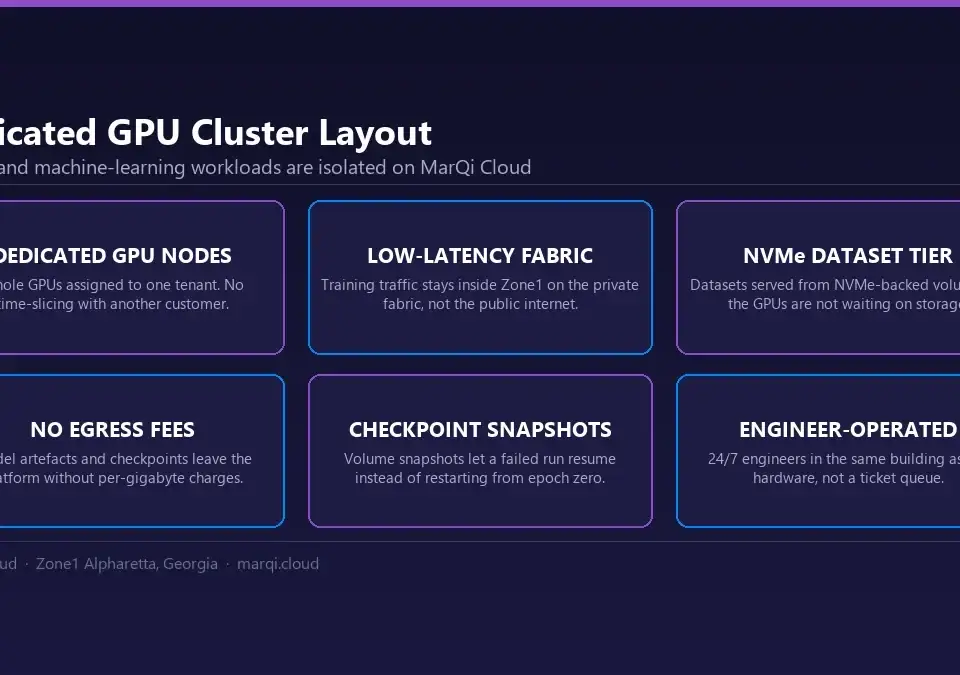
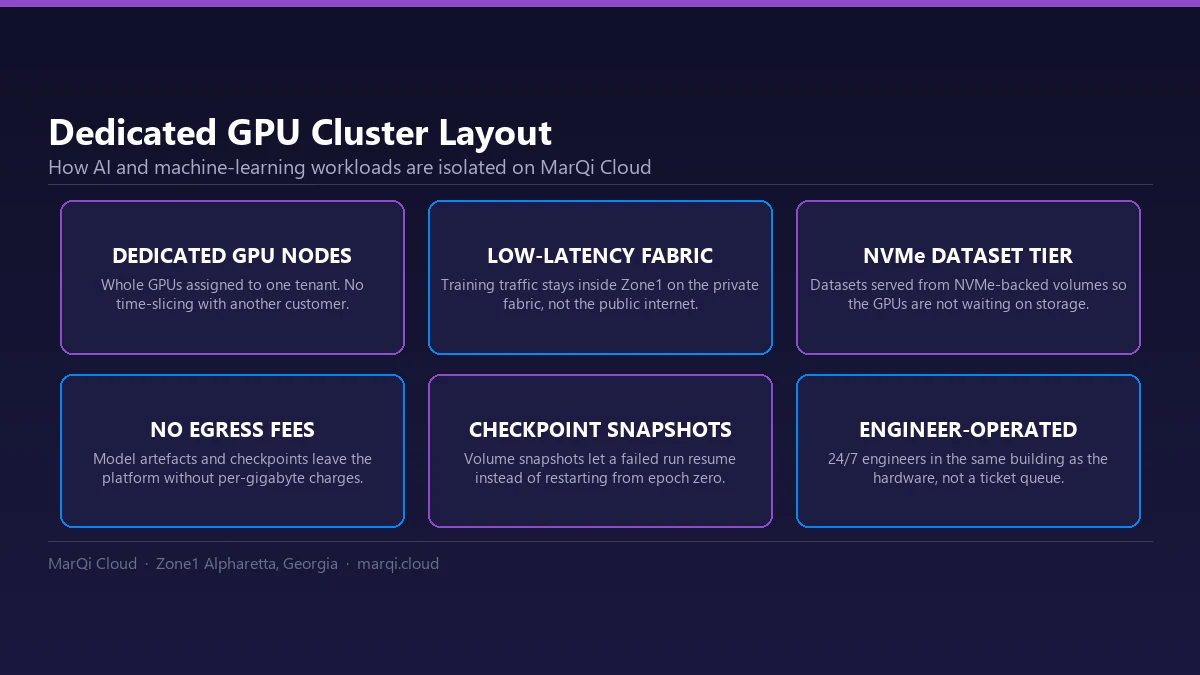
When selecting a GPU server hosting provider, it is crucial to ensure that they offer dedicated GPU resources. This ensures that your computations are not affected by other users’ workloads, providing consistent performance.
2. High-Speed Networking
AI workloads can generate significant data traffic. A reliable GPU server hosting provider should offer high-speed networking options to facilitate quick data transfer, which is essential for training large models or processing extensive datasets.
3. Customizable Configurations
AI projects often require specific configurations tailored to their unique needs. Look for providers that offer customizable server configurations, allowing you to choose the right amount of GPU power, CPU resources, RAM, and storage necessary for your projects.
4. Reliable Support
Technical issues can arise at any time, especially in complex AI projects. A good GPU server hosting provider should offer 24/7 support to help troubleshoot problems and ensure minimal downtime.
Choosing the Right GPU Server Hosting Provider
1. Evaluate Performance Metrics
When selecting a provider, evaluate their performance metrics carefully. Look for benchmarks that demonstrate the performance of their GPU servers under various workloads. This will give you insights into their capability to handle your specific AI projects.
2. Assess Security Measures
Security is paramount in the AI space due to the sensitive nature of data involved. Ensure that the hosting provider implements robust security measures, such as data encryption, access controls, and compliance with industry standards.
3. Consider Location
For agencies based in the United States, choosing a US-based GPU server hosting provider can offer advantages in terms of support, compliance, and data sovereignty. Ensure the provider has data centers located within the country.
Common Use Cases for GPU Server Hosting in AI
1. Machine Learning Model Training
Training machine learning models requires substantial computational resources. GPU servers excel at handling the intensive calculations needed for training, leading to faster model development cycles.
2. Deep Learning Applications
Deep learning relies heavily on neural networks and large datasets, making GPU servers an ideal choice. They can efficiently process the vast data inputs required for training deep learning models.
3. Data Analytics
AI agencies often engage in data analytics to derive insights from large datasets. The parallel processing capabilities of GPUs enable quicker data analysis, allowing agencies to make informed decisions faster.
4. Natural Language Processing (NLP)
NLP applications, such as chatbots and sentiment analysis tools, require significant computational power for processing language models. GPU servers can facilitate the rapid training and deployment of these models.
GPU Server Hosting vs. Traditional Hosting
While traditional hosting solutions may suffice for basic applications, they simply cannot match the performance and efficiency of GPU server hosting for AI tasks. Traditional hosting relies solely on CPUs, making them less capable of handling parallel processing demands. In contrast, GPU hosting is optimized for AI workloads, delivering superior performance, scalability, and cost-effectiveness.
Conclusion
For AI agencies looking to leverage the power of artificial intelligence, GPU server hosting is an essential resource. The combination of high performance, scalability, and cost-effectiveness makes it a compelling choice for agencies engaged in complex AI projects. By understanding the benefits, features, and best practices for selecting a GPU server hosting provider, AI agencies can position themselves for success in an increasingly competitive market.
Frequently Asked Questions (FAQ)
1. What is GPU server hosting?
GPU server hosting involves using servers equipped with Graphics Processing Units (GPUs) to handle compute-intensive tasks, particularly in AI and machine learning applications.
2. How does GPU hosting differ from traditional hosting?
GPU hosting is optimized for parallel processing, making it more suitable for AI workloads, while traditional hosting relies solely on CPUs, which are less efficient for these tasks.
3. What are the benefits of using GPU servers for AI?
Benefits include high performance, scalability, cost-effectiveness, and enhanced collaboration among team members.
4. Can I customize my GPU server configuration?
Yes, many GPU server hosting providers offer customizable configurations to tailor resources to specific project needs.
5. Is security a concern with GPU server hosting?
Security is a significant concern, and reputable providers implement robust security measures, including data encryption and compliance with industry standards.
6. How do I choose the right GPU server hosting provider?
Evaluate performance metrics, assess security measures, and consider the provider’s location when making your choice.
7. What are some common use cases for GPU server hosting in AI?
Common use cases include machine learning model training, deep learning applications, data analytics, and natural language processing.
8. Is GPU server hosting cost-effective?
Yes, GPU server hosting is generally more cost-effective than investing in on-premises GPU infrastructure, as it allows agencies to pay only for the resources they use.
9. How can GPU servers improve collaboration among teams?
GPU server hosting allows team members to access shared resources remotely, facilitating easier collaboration on AI projects.
10. What should I look for in customer support from a GPU hosting provider?
Look for 24/7 support, responsiveness, and expertise in troubleshooting technical issues related to GPU hosting.