Bare Metal vs Cloud VMs for AI Training: Which Is Right for Your Project?
March 16, 2026
Atlanta AI Infrastructure Cost Breakdown: Understanding Your Investment
March 17, 2026
Local GPU Hosting for AI SaaS Companies: Elevating Performance and Scalability
In today’s fast-paced digital landscape, artificial intelligence (AI) has emerged as a transformative force across various industries. Software as a Service (SaaS) companies leveraging AI technologies are under constant pressure to deliver high-performance applications while maintaining cost-effectiveness. For these companies, local GPU hosting presents a viable solution that can significantly enhance computational capabilities, performance, and scalability. In this article, we will explore the benefits of local GPU hosting for AI SaaS companies, the different deployment models available, and essential considerations when opting for this infrastructure.
Understanding Local GPU Hosting
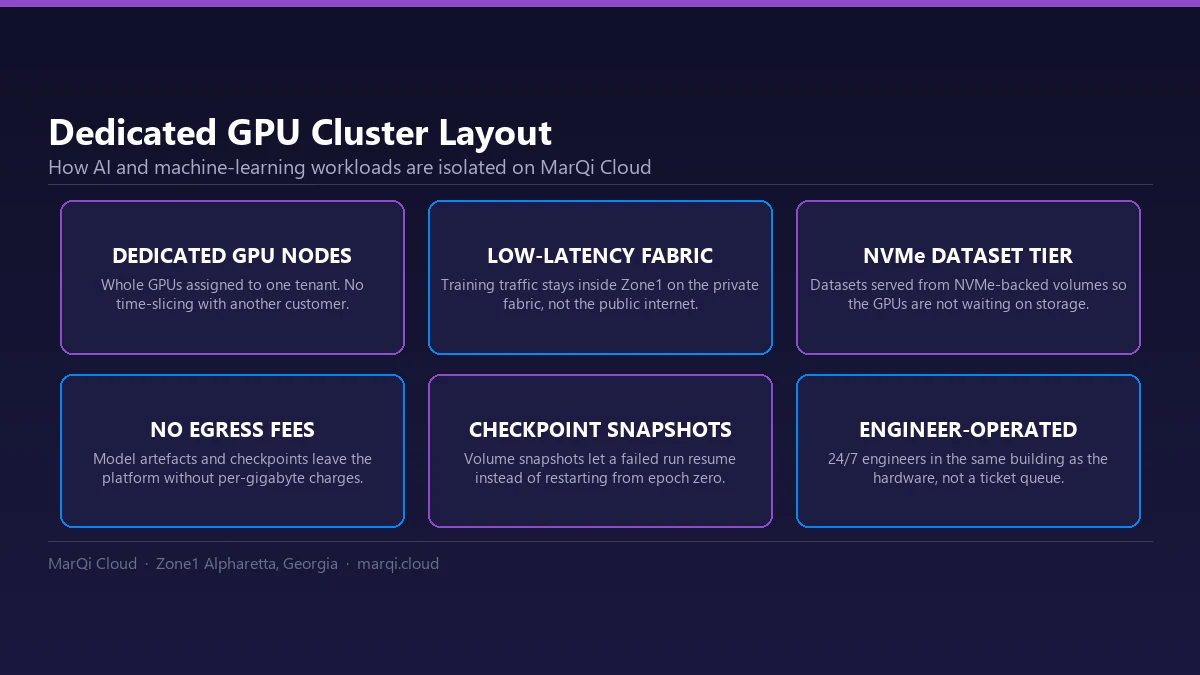
Local GPU hosting refers to the use of dedicated graphics processing units (GPUs) located within a physical data center or cloud infrastructure to execute AI workloads. Unlike traditional CPU-based computing, GPUs are specifically designed to handle complex computations simultaneously, making them ideal for tasks such as machine learning, deep learning, and data processing.
The Rise of AI and GPU Computing
The demand for AI solutions has skyrocketed in recent years, leading to an increased need for robust computing power. AI applications often require processing vast amounts of data, which can lead to performance bottlenecks when relying solely on CPUs. GPUs, with their parallel processing capabilities, can handle multiple tasks at once, resulting in faster training times and improved performance for AI models.
Benefits of Local GPU Hosting for AI SaaS Companies
AI SaaS companies can reap numerous benefits from local GPU hosting. Some of the most notable advantages include:
1. Enhanced Performance
Local GPU hosting allows for significantly faster processing times compared to traditional CPU-based hosting. This is particularly beneficial for AI applications that require real-time data analysis and decision-making capabilities.
2. Scalability
As AI SaaS companies grow, their computing needs may change. Local GPU hosting offers scalable compute and storage resources, allowing businesses to expand their infrastructure seamlessly without significant disruption.
3. Cost-Effectiveness
While the initial investment in GPU hardware may be higher than traditional hosting solutions, the long-term cost savings can be substantial. Local GPU hosting enables companies to optimize their resources, reducing operational costs associated with computing power.
4. Secure and Private Hosting Environments
Data security is paramount for AI SaaS companies, especially when dealing with sensitive information. Local GPU hosting provides private and secure hosting environments that can prevent unauthorized access and ensure compliance with data protection regulations.
5. Business Continuity and Disaster Recovery
Local GPU hosting solutions often come equipped with business continuity and disaster recovery options. This ensures that, in the event of a failure or outage, data is backed up and can be quickly restored, minimizing downtime.
Deployment Models for Local GPU Hosting
When considering local GPU hosting, AI SaaS companies have several deployment models to choose from:
1. On-Premises Hosting
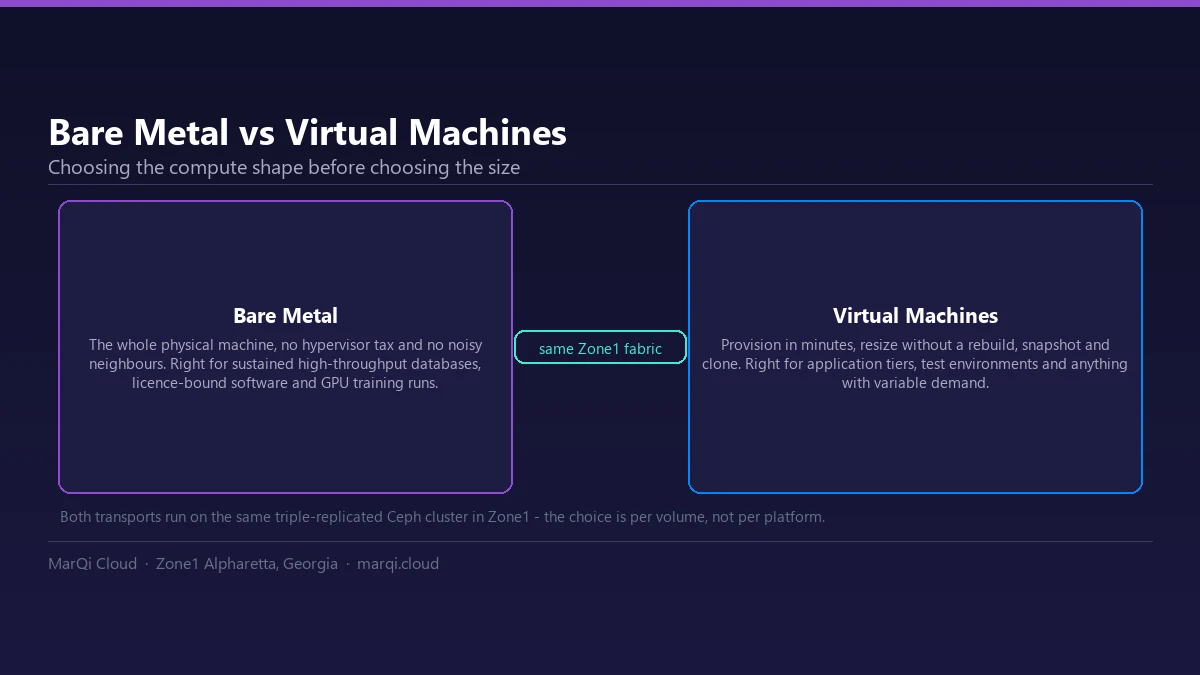
On-premises GPU hosting involves setting up dedicated hardware within the company’s facilities. This model provides full control over the infrastructure, allowing for tailored configurations to meet specific needs. However, it requires substantial upfront investment and ongoing maintenance.
2. Hybrid Cloud Deployment
Hybrid cloud deployment combines on-premises resources with cloud-based services. This model allows companies to leverage the benefits of both worlds, providing flexibility and scalability while maintaining critical resources on-site.
3. Managed GPU Hosting Services
For companies looking to minimize the burden of infrastructure management, managed GPU hosting services offer a compelling solution. Providers handle the hardware, maintenance, and support, allowing AI SaaS companies to focus on development and innovation.
Choosing the Right Local GPU Hosting Provider
Selecting the right local GPU hosting provider is crucial for the success of AI SaaS operations. Here are some key factors to consider:
1. Performance Specifications
Evaluate the performance specifications of the GPU hardware offered by the provider. Look for the latest generation GPUs that can handle deep learning and AI workloads efficiently.
2. Support and Maintenance
Ensure that the provider offers robust support and maintenance services. Quick response times and expert assistance can significantly reduce downtime in case of issues.
3. Security Measures
Data security should be a top priority. Investigate the security measures implemented by the provider, including encryption, access controls, and compliance with data protection regulations.
4. Flexibility in Pricing Models
Flexible pricing models can help AI SaaS companies manage costs effectively. Look for providers that offer pay-as-you-go options, allowing you to scale resources based on demand without incurring unnecessary expenses.
Case Studies: AI SaaS Companies Utilizing Local GPU Hosting
To illustrate the effectiveness of local GPU hosting, let’s explore a couple of case studies:
1. Company A: Transforming Healthcare Through AI
Company A, a healthcare AI SaaS provider, faced challenges with processing large datasets for patient diagnostics. By implementing local GPU hosting, they reduced processing times by 70%, allowing for real-time analysis and quicker decision-making in patient care.
2. Company B: Revolutionizing E-commerce Recommendations
Company B utilized local GPU hosting to enhance their recommendation engine. With improved processing capabilities, they achieved a 50% increase in conversion rates, demonstrating the impact of GPU-driven analytics on customer engagement.
Future Trends in Local GPU Hosting for AI SaaS Companies
The landscape of local GPU hosting is continually evolving. Here are some future trends to watch:
1. Advancements in GPU Technology
As technology advances, we can expect to see more powerful GPUs designed specifically for AI workloads. These innovations will further enhance performance and efficiency for AI SaaS companies.
2. Integration of Edge Computing
Edge computing will play a significant role in local GPU hosting. By processing data closer to the source, companies can reduce latency and improve real-time analytics capabilities.
3. Increased Focus on Sustainability
As environmental concerns grow, local GPU hosting providers may adopt more sustainable practices, such as energy-efficient hardware and renewable energy sources, to minimize their carbon footprint.
Conclusion
Local GPU hosting represents a powerful solution for AI SaaS companies seeking to enhance their applications’ performance and scalability. By leveraging the advantages of GPU technology, businesses can unlock new capabilities, improve customer experiences, and drive innovation. As the AI landscape continues to evolve, embracing local GPU hosting will be essential for staying competitive and meeting the growing demands of the market.
FAQ
1. What is local GPU hosting?
Local GPU hosting refers to the use of dedicated graphics processing units located within a physical data center or cloud infrastructure to execute AI workloads.
2. Why is GPU hosting important for AI SaaS companies?
GPU hosting enhances performance and scalability, allowing AI SaaS companies to process large datasets efficiently and deliver real-time analytics.
3. What are the benefits of using local GPU hosting?
Benefits include enhanced performance, scalability, cost-effectiveness, secure hosting environments, and business continuity solutions.
4. What deployment models are available for local GPU hosting?
Deployment models include on-premises hosting, hybrid cloud deployment, and managed GPU hosting services.
5. How do I choose the right GPU hosting provider?
Consider performance specifications, support and maintenance, security measures, and flexibility in pricing models when selecting a provider.
6. Can local GPU hosting reduce operational costs?
Yes, while initial investments may be higher, local GPU hosting can lead to long-term savings through optimized resource usage.
7. What industries benefit from local GPU hosting?
Industries such as healthcare, e-commerce, finance, and manufacturing can benefit from local GPU hosting for AI applications.
8. How does local GPU hosting ensure data security?
Providers implement security measures such as encryption, access controls, and compliance with data protection regulations to secure data.
9. What are the future trends in local GPU hosting?
Future trends include advancements in GPU technology, integration of edge computing, and increased focus on sustainability.
10. How can local GPU hosting improve customer experiences?
By enabling faster processing and real-time analytics, local GPU hosting can enhance the responsiveness and effectiveness of AI applications, leading to improved customer satisfaction.