How to Use MarQi Cloud Object Storage as a CDN Backend
April 6, 2026
How to Run a Secure Private Registry on MarQi Cloud for Docker Images
April 6, 2026
MarQi Cloud and Nginx: The Ultimate High-Performance Web Server Setup
In the digital age, where speed and performance are paramount, businesses need robust web infrastructures that can handle varying workloads while ensuring security and reliability. MarQi Cloud, with its enterprise-grade cloud infrastructure, paired with Nginx, a high-performance web server, presents the ultimate solution for organizations looking to enhance their web hosting capabilities. In this article, we will explore how MarQi Cloud and Nginx together create a powerful web server setup that meets the demands of modern applications.
What is MarQi Cloud?
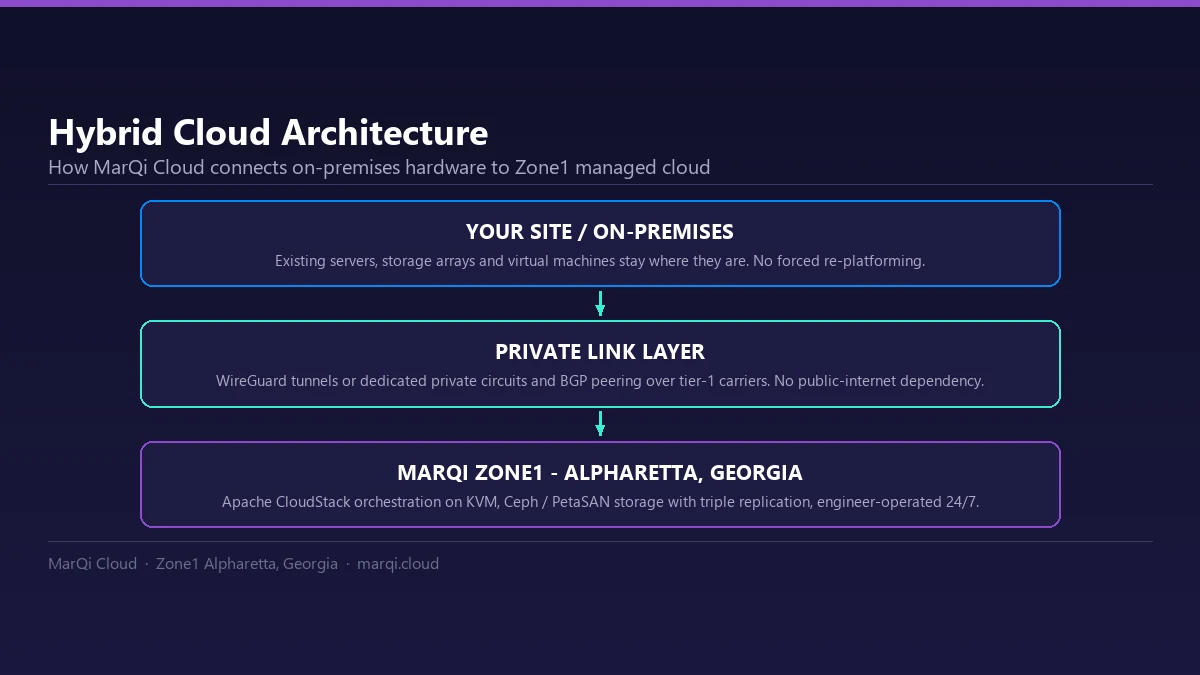
MarQi Cloud is a cloud service provider that specializes in delivering scalable, secure, and reliable cloud solutions for businesses of all sizes. With features like hybrid cloud deployment models, private hosting environments, and business continuity solutions, MarQi Cloud ensures that enterprises can effectively manage their IT resources while focusing on their core business objectives.
What is Nginx?
Nginx is an open-source web server known for its high performance, scalability, and low resource consumption. Originally developed as an HTTP server, it has evolved to serve as a reverse proxy, load balancer, and mail server. Its architecture allows it to handle thousands of concurrent connections efficiently, making it the go-to choice for high-traffic websites and applications.
The Synergy Between MarQi Cloud and Nginx
The integration of MarQi Cloud’s infrastructure with Nginx creates a powerful combination that optimizes performance while ensuring security and reliability. Let’s delve into the key benefits of using MarQi Cloud with Nginx.
1. Performance Optimization
MarQi Cloud’s performance-driven infrastructure is designed to support the high-speed requirements of Nginx. With scalable compute and storage resources, businesses can easily adjust their server capabilities to handle traffic spikes without compromising performance.
2. Secure Hosting Environments
Security is a top priority for any web server setup. MarQi Cloud provides private and secure hosting environments that protect sensitive data. Coupled with Nginx’s built-in security features, including SSL termination and support for HTTP/2, organizations can ensure their web applications are safeguarded against potential threats.
3. Flexibility and Scalability
One of the significant advantages of MarQi Cloud is its flexible pricing models that cater to businesses of all sizes. Nginx enhances this flexibility by allowing developers to configure and customize their server environments based on specific application needs. This adaptability is crucial for businesses that require a tailored approach to their cloud infrastructure.
4. Business Continuity and Disaster Recovery
MarQi Cloud offers comprehensive business continuity and disaster recovery solutions, ensuring that your web server setup can withstand unforeseen events. With Nginx’s ability to efficiently manage load balancing, organizations can distribute traffic across multiple servers, further enhancing their resilience.
Setting Up Nginx on MarQi Cloud
Implementing Nginx on MarQi Cloud is a straightforward process. Here’s a step-by-step guide to get you started:
Step 1: Create a MarQi Cloud Account
Begin by signing up for a MarQi Cloud account. Once your account is active, you can access the cloud dashboard to manage your infrastructure.
Step 2: Provision a Virtual Machine
From the dashboard, provision a new virtual machine (VM). Select the desired operating system (Linux is recommended for Nginx) and allocate the necessary resources based on your anticipated traffic.
Step 3: Install Nginx
Once your VM is up and running, connect to it via SSH. Use the package manager to install Nginx. For example, on Ubuntu, you would use the command sudo apt-get install nginx.
Step 4: Configure Nginx
After installation, configure Nginx according to your application requirements. This includes setting up server blocks for different domains, configuring SSL certificates, and optimizing performance settings.
Step 5: Test Your Setup
Before going live, thoroughly test your Nginx setup. Check for configuration errors, ensure that your website is loading correctly, and verify that all security measures are in place.
Step 6: Monitor and Optimize
Once your Nginx server is live, use monitoring tools to track performance metrics. Adjust configurations as needed to optimize speed and reliability further.
Common Use Cases for Nginx on MarQi Cloud
Utilizing Nginx on MarQi Cloud can greatly enhance several use cases:
1. E-commerce Websites
For e-commerce businesses, Nginx can efficiently handle high volumes of traffic, ensuring that customers have a seamless shopping experience. MarQi Cloud’s scalable resources further support fluctuating traffic during peak shopping seasons.
2. Content Management Systems (CMS)
Many popular CMS platforms, such as WordPress and Drupal, run on Nginx. MarQi Cloud provides the infrastructure needed to host these platforms reliably while maintaining optimal performance.
3. APIs and Microservices
Nginx excels in serving as a reverse proxy for APIs and microservices. MarQi Cloud’s hybrid cloud deployment models allow organizations to manage their microservices architecture flexibly.
Conclusion
In conclusion, the collaboration between MarQi Cloud and Nginx offers businesses a powerful framework for building high-performance web applications. With enterprise-grade infrastructure, flexible deployment options, and a focus on security, organizations can leverage this setup to meet their growing digital needs. By implementing Nginx on MarQi Cloud, businesses can ensure that their web presence is not only robust but also capable of adapting to future challenges.
FAQs
1. What advantages does MarQi Cloud offer over other cloud providers?
MarQi Cloud provides enterprise-grade infrastructure, flexible pricing models, and US-based support, ensuring businesses receive tailored solutions.
2. How does Nginx improve web server performance?
Nginx uses an event-driven architecture, allowing it to handle multiple connections simultaneously with low resource consumption, resulting in faster response times.
3. Can I host multiple websites on a single Nginx server?
Yes, Nginx can manage multiple domains through server blocks, allowing you to host several websites on a single server.
4. Is Nginx suitable for high-traffic applications?
Yes. Nginx is designed to handle high-traffic loads, making it ideal for popular applications and websites.
5. What security features does Nginx provide?
Nginx includes features like SSL termination, request filtering, and rate limiting, enhancing the security of your web applications.
6. How can I scale my Nginx setup on MarQi Cloud?
You can scale your Nginx setup on MarQi Cloud by adding more virtual machines or increasing the resources of existing ones based on your traffic requirements.
7. What is the cost of using MarQi Cloud?
MarQi Cloud offers flexible pricing models that cater to various business needs. Contact their sales team for detailed pricing information.
8. How can I ensure business continuity with MarQi Cloud?
MarQi Cloud provides business continuity and disaster recovery solutions to keep your services running smoothly even during outages.
9. Can I customize my Nginx configuration?
Yes, Nginx is highly customizable, allowing you to tweak configurations to suit your specific application and performance needs.
10. Is there support available if I encounter issues?
Yes, MarQi Cloud offers US-based infrastructure and support to assist you with any issues you may encounter during setup or operation.