MarQi Cloud vs. Rackspace: Which Managed Cloud Is Worth Your Money?
July 4, 2026
MarQi Cloud Infrastructure Audit: Optimize Your Stack for 2027
July 5, 2026
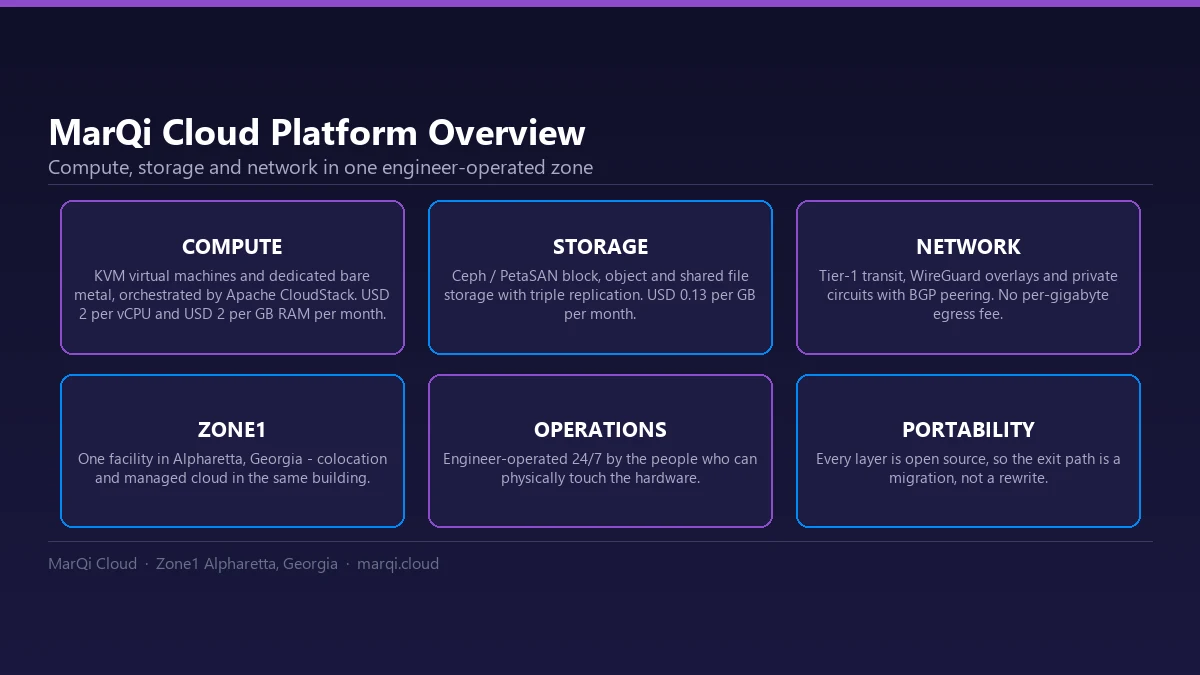
How to Build a Multi-Cloud Strategy With MarQi Cloud as Your Foundation
In today’s rapidly evolving digital landscape, businesses are increasingly recognizing the necessity of a multi-cloud strategy. This approach allows organizations to leverage the strengths of multiple cloud service providers while mitigating risks associated with vendor lock-in. At MarQi Cloud, we specialize in providing enterprise-grade cloud infrastructure that seamlessly integrates with various cloud environments, making us the ideal foundation for your multi-cloud strategy. In this comprehensive guide, we will explore how to effectively build a multi-cloud strategy using MarQi Cloud, detailing the benefits, key considerations, and actionable steps to ensure success.
Understanding Multi-Cloud Strategy
A multi-cloud strategy involves utilizing services from multiple cloud providers to enhance flexibility, performance, and redundancy. This approach enables organizations to select the best services from different vendors based on their specific needs, thereby optimizing their cloud architecture. Multi-cloud has moved from a niche pattern to a common one, which is why the strategy question is worth answering deliberately.
Benefits of a Multi-Cloud Approach
Adopting a multi-cloud strategy provides numerous advantages:
- Flexibility: Organizations can choose the best tools and services for their needs, allowing for tailored solutions.
- Resilience: By distributing workloads across multiple clouds, businesses can enhance their disaster recovery capabilities.
- Cost Optimization: Multi-cloud strategies enable organizations to avoid vendor lock-in, leading to better pricing negotiations and reduced costs.
- Performance Improvements: Specific workloads can be optimized by utilizing the unique strengths of different cloud environments.
Key Considerations When Building a Multi-Cloud Strategy
When developing a multi-cloud strategy, several factors must be taken into account:
- Compliance and Security: Ensure that all cloud providers meet industry regulations and security standards relevant to your business.
- Data Management: Consider how data will be stored, accessed, and transferred between clouds. Implement a robust data governance framework.
- Integration: Look for solutions that facilitate seamless integration between different cloud environments, such as APIs and cloud management platforms.
- Monitoring and Management: Utilize tools that provide visibility and control over all cloud environments to optimize performance and costs.
- Vendor Relationships: Maintain good relationships with multiple vendors to ensure support and flexibility.
How to Build Your Multi-Cloud Strategy with MarQi Cloud
Building a multi-cloud strategy with MarQi Cloud as your foundation involves several actionable steps:
Step 1: Assess Your Current Infrastructure
Begin by evaluating your existing IT infrastructure and determining which components can be migrated to the cloud. Identify workloads that would benefit from a multi-cloud approach.
Step 2: Define Your Goals
Establish clear objectives for your multi-cloud strategy. Are you aiming to enhance performance, improve disaster recovery, or reduce costs? Having specific goals will guide your decision-making process.
Step 3: Choose Your Cloud Providers
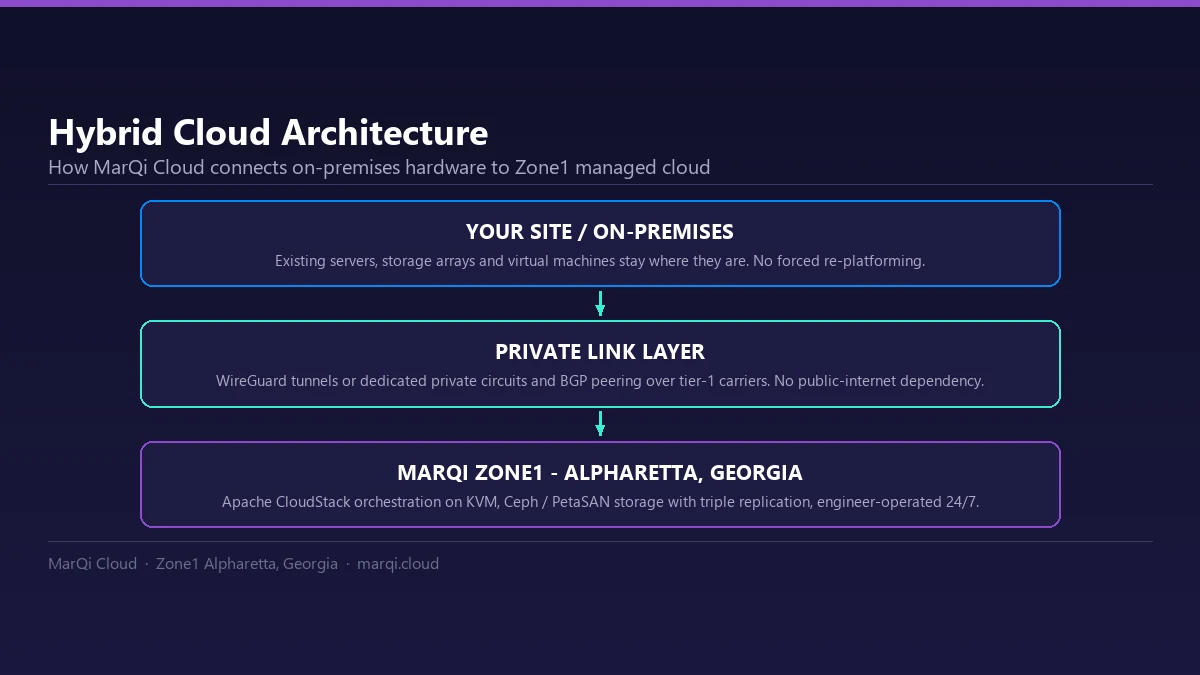
Research and select cloud providers that align with your business needs. Consider factors such as services offered, pricing, and compliance standards. MarQi Cloud provides enterprise-grade cloud infrastructure and hybrid solutions, making it an ideal choice for businesses looking to integrate multiple cloud environments.
Step 4: Develop a Migration Plan
Plan the migration process carefully. This includes determining which workloads to move first, creating a timeline, and ensuring data integrity. Utilize our complete cloud migration checklist to ensure a smooth transition.
Step 5: Implement Security Measures
Security should be paramount in your multi-cloud strategy. Implement strong encryption, access controls, and compliance measures to protect your data. MarQi Cloud offers secure hosting solutions tailored to enterprise needs.
Step 6: Monitor and Optimize
Once your multi-cloud environment is operational, continuously monitor performance and costs. Use analytics tools to gain insights into usage patterns and identify areas for optimization.
Expert Insights and Best Practices
To enhance your multi-cloud strategy, consider the following expert tips:
Additionally, establish a governance framework that includes policies for data management, security, and compliance across all cloud environments. This will help mitigate risks and ensure consistent practices.
Comparison of Multi-Cloud Providers
When selecting cloud providers for your multi-cloud strategy, it is beneficial to compare their offerings. The table below outlines key features of popular cloud providers:
| Provider | Compute Power | Storage Options | Networking Features | Security Compliance |
|---|---|---|---|---|
| MarQi Cloud | Dedicated Compute Nodes | Object and Block Storage | Private Circuits & Peering | HIPAA, PCI-DSS |
| AWS | Elastic Compute Cloud (EC2) | S3, EBS | VPC, Direct Connect | HIPAA, GDPR |
| Azure | Virtual Machines | Blob Storage | ExpressRoute | HIPAA, ISO 27001 |
| Google Cloud | Compute Engine | Cloud Storage | Cloud Interconnect | HIPAA, SOC 2 |
FAQs
What is a multi-cloud strategy?
A multi-cloud strategy involves using services from multiple cloud providers to optimize performance, flexibility, and cost.
Why should I consider a multi-cloud approach?
Multi-cloud strategies offer benefits such as increased resilience, flexibility in choosing the best services, and reduced risk of vendor lock-in.
How does MarQi Cloud support multi-cloud strategies?
MarQi Cloud provides enterprise-grade cloud infrastructure and services that integrate seamlessly with other cloud environments, making it an ideal foundation for multi-cloud strategies.
What security measures should I implement in a multi-cloud strategy?
Implement strong encryption, access controls, and compliance measures to protect your data across all cloud environments.
Can I use MarQi Cloud for hybrid deployments?
Yes, MarQi Cloud specializes in hybrid cloud deployments, allowing businesses to blend on-premises and cloud resources effectively.
What are the common challenges of a multi-cloud strategy?
Challenges include managing costs, ensuring security compliance, and integrating different cloud environments.
How can I optimize costs in a multi-cloud environment?
Regularly review your cloud usage, negotiate contracts, and utilize cost management tools to optimize expenses.
What resources does MarQi Cloud provide for cloud migration?
MarQi Cloud offers comprehensive resources, including a cloud migration checklist and expert consulting services to assist with your migration.
In conclusion, building a multi-cloud strategy with MarQi Cloud as your foundation offers numerous advantages, including flexibility, resilience, and cost optimization. By following the actionable steps outlined in this guide and leveraging our enterprise-grade infrastructure, you can create a robust multi-cloud environment that meets your organization’s unique needs. For more information on how MarQi Cloud can support your multi-cloud journey, contact us today.