Private Cloud vs Hybrid Cloud: Which One Fits Your Compliance Requirements?
February 20, 2026
Migrating from VMware to KVM: A Step-by-Step Transition Plan
February 21, 2026
Multi-Site Connectivity: Encrypted Inter-Zone Links—What to Ask Your Provider
In today’s digital landscape, the need for organizations to connect multiple sites securely has never been more critical. As businesses expand their operations across various locations, ensuring that these sites communicate effectively and securely becomes a priority. This is where multi-site connectivity and encrypted inter-zone links come into play. In this article, we will explore what you need to know about these technologies and the key questions you should ask your provider to ensure you make an informed decision.
Understanding Multi-Site Connectivity
Multi-site connectivity refers to the ability to link multiple geographical locations through a secure network. This connectivity is essential for businesses that operate in different regions, enabling seamless communication, data sharing, and collaboration among employees and systems. It plays a vital role in enhancing operational efficiency and ensuring business continuity.
The Importance of Encrypted Inter-Zone Links
Encrypted inter-zone links are secure connections between different zones within a network. These links use encryption protocols to protect data in transit, ensuring that sensitive information remains confidential and secure from potential threats. The importance of these links cannot be overstated, particularly in an era where cyber threats are prevalent and data breaches can have devastating consequences.
Key Benefits of Multi-Site Connectivity with Encrypted Inter-Zone Links
- Enhanced Security: By utilizing encrypted links, organizations can protect their data from unauthorized access and cyber threats.
- Improved Performance: Multi-site connectivity can enhance the performance of applications and services that rely on data sharing between locations.
- Scalability: As businesses grow, their connectivity needs may change. Multi-site solutions can easily scale to accommodate additional sites or increased data traffic.
- Business Continuity: With reliable connectivity between sites, organizations can ensure that their operations remain uninterrupted even during local outages or disasters.
- Cost-Effectiveness: By centralizing resources and utilizing efficient connectivity solutions, businesses can reduce operational costs.
What to Ask Your Provider
When considering a multi-site connectivity solution with encrypted inter-zone links, it is essential to ask your provider the right questions. Here are some critical inquiries to guide your decision-making process:
1. What encryption protocols do you use?
Understanding the encryption standards your provider uses is crucial. Look for providers that offer strong encryption protocols, such as AES-256, which is widely regarded as a robust standard for securing data.
2. How do you ensure data integrity?
In addition to encryption, it’s vital to know how your provider maintains data integrity during transmission. Ask about checksum methods and other measures they use to verify that data is not altered or corrupted.
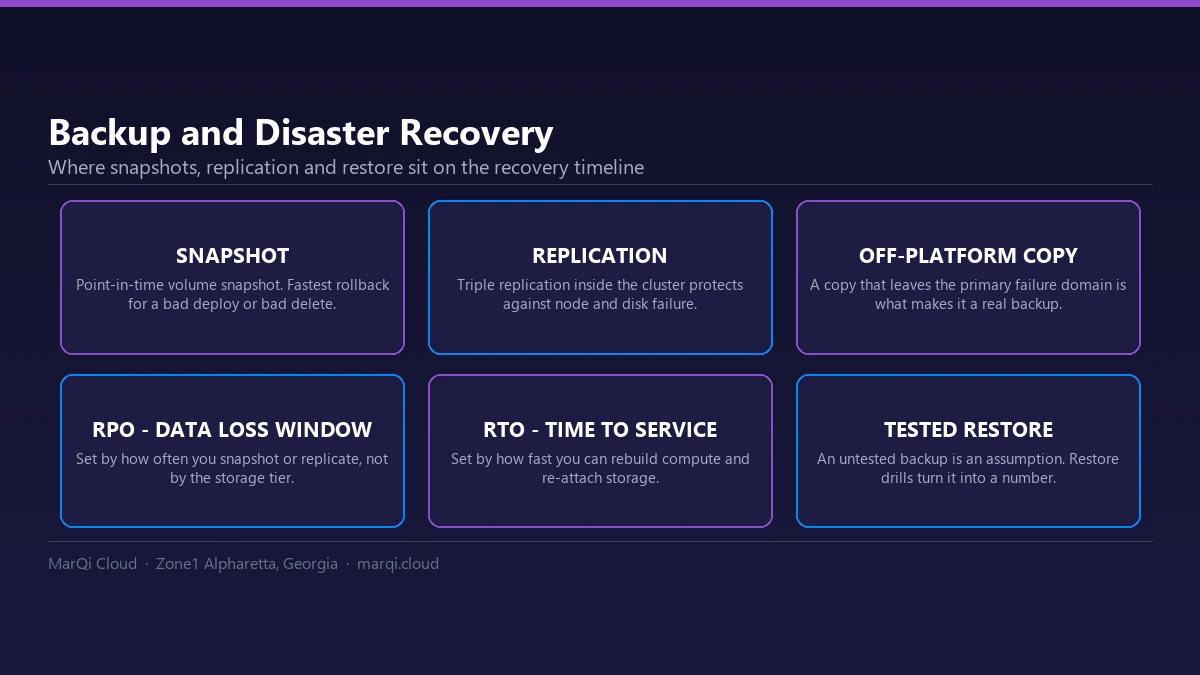
3. What measures do you have in place for disaster recovery?
Business continuity is essential, so inquire about your provider’s disaster recovery plans. Understand their strategies for ensuring that your data and connectivity are restored quickly in the event of an outage.
4. Can you provide case studies or references?
Request case studies or references from other clients who have successfully implemented similar multi-site connectivity solutions. This information can provide insight into the provider’s reliability and effectiveness.
5. What is your SLA (Service Level Agreement)?
Understanding the terms of the SLA will help you gauge the level of service you can expect. Look for guarantees on uptime, response times for support requests, and remedies for service failures.
6. How is your customer support structured?
Your provider’s customer support can significantly impact your experience. Ask about their support structure, including availability, response times, and whether they have US-based support teams.
7. What are your pricing models?
Inquire about the pricing structure for their services. Understanding whether they offer flexible pricing options can help you align your budget with your needs.
8. How do you handle bandwidth management?
Bandwidth is crucial for the performance of multi-site connectivity. Ask your provider about their bandwidth management practices to ensure your applications run smoothly even during peak usage times.
9. What compliance standards do you adhere to?
Data protection and privacy regulations vary widely across industries. Ensure that your provider complies with relevant standards such as GDPR, HIPAA, or PCI-DSS, depending on your business needs.
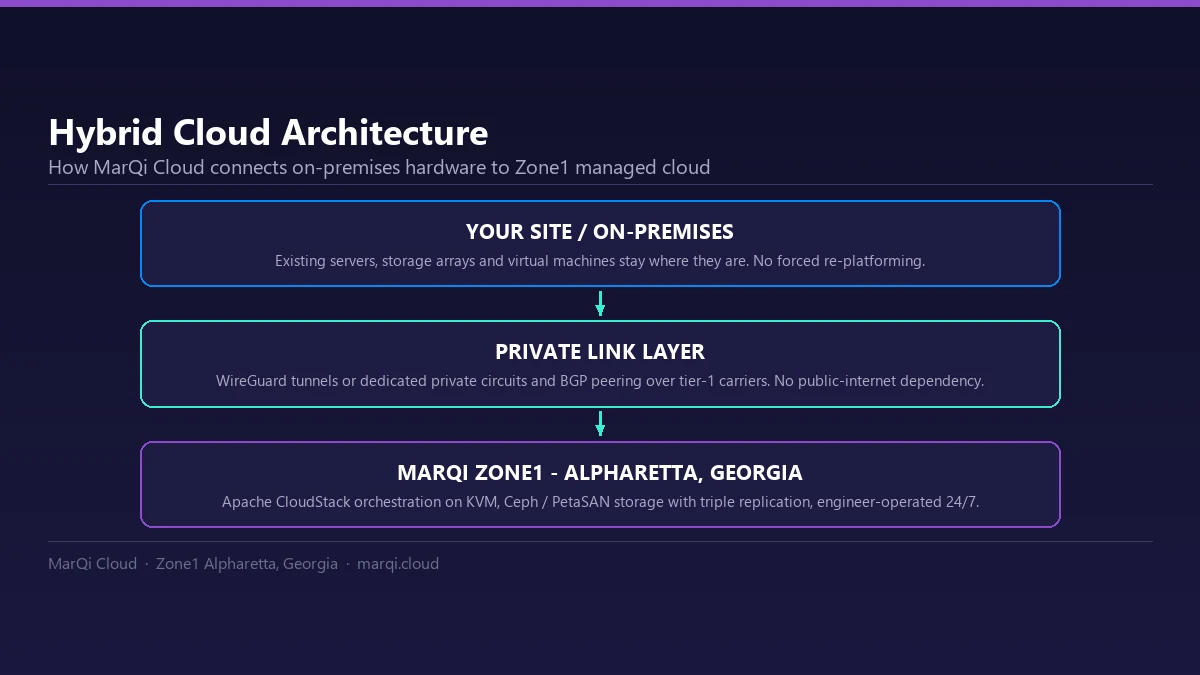
10. Can you support hybrid cloud environments?
If your organization utilizes a hybrid cloud model, confirm that your provider can support this setup. This capability is crucial for integrating on-premises resources with cloud services effectively.
Conclusion
Multi-site connectivity with encrypted inter-zone links is essential for modern businesses that require secure and efficient communication across various locations. By asking the right questions and selecting a provider that meets your specific needs, you can ensure that your organization remains secure, scalable, and prepared for future growth. At MarQi Cloud, we offer enterprise-grade cloud infrastructure and hybrid cloud deployment models, designed to meet the unique needs of businesses. Contact us today at +1 770-369-9321 to learn more about how we can support your multi-site connectivity needs.
FAQ Section
What is multi-site connectivity?
Multi-site connectivity refers to the ability to connect multiple geographical locations through a secure network, enabling seamless communication and collaboration.
Why are encrypted inter-zone links important?
Encrypted inter-zone links protect data in transit from unauthorized access and cyber threats, ensuring confidentiality and security.
What types of encryption protocols are commonly used?
AES-256 is a widely used encryption protocol known for its strong security features.
How can I ensure my provider has robust disaster recovery plans?
Ask your provider about their disaster recovery strategies and how quickly they can restore connectivity and data in the event of an outage.
What should I look for in a Service Level Agreement (SLA)?
Look for guarantees on uptime, response times for support, and remedies for service failures in the SLA.
How important is customer support for multi-site connectivity?
Reliable customer support is essential for addressing issues quickly and minimizing downtime, making it a critical factor in your decision.
What factors influence the pricing of multi-site connectivity solutions?
Pricing can be influenced by bandwidth requirements, the number of sites, the level of support, and additional features such as disaster recovery.
What compliance standards should I consider for my business?
Compliance standards like GDPR, HIPAA, or PCI-DSS may be relevant depending on your industry and the data you handle.
Can I integrate on-premises resources with cloud services?
Yes, hybrid cloud solutions allow you to integrate on-premises resources effectively with cloud services.
How do I choose the right provider for multi-site connectivity?
Evaluate potential providers based on their encryption standards, customer support, disaster recovery plans, and pricing models to find the best fit for your needs.