NVIDIA 4090 vs A100 for AI Workloads in 2026: A Comprehensive Comparison
March 13, 2026
Unlocking the Power of High-Density GPU Clusters in the Southeast: A Comprehensive Guide
March 13, 2026
Secure GPU Hosting in Atlanta – Compliance & Best Practices
As businesses increasingly rely on advanced computing technologies, the demand for secure GPU hosting has surged, particularly in vibrant tech hubs like Atlanta. GPU hosting is crucial for industries that require intensive processing power, including machine learning, data analysis, and graphic rendering. However, with the growing reliance on cloud technologies, compliance with industry standards and best practices has become paramount. In this article, we will explore the essentials of secure GPU hosting in Atlanta, focusing on compliance requirements and best practices to safeguard your operations.
Understanding GPU Hosting
GPU hosting refers to a cloud computing service that provides dedicated access to Graphics Processing Units (GPUs). These powerful processors are designed to handle parallel tasks efficiently, making them ideal for graphics rendering, simulations, and complex algorithm processing. Companies leverage GPU hosting to accelerate their applications without the need for significant upfront investments in hardware.
Why Choose GPU Hosting?
1. Performance
GPU hosting enables businesses to enhance their computational capabilities, allowing for faster processing times and improved performance. With GPUs handling multiple tasks simultaneously, organizations can run complex simulations or process large datasets in a fraction of the time compared to traditional CPU hosting.
2. Scalability
One of the key advantages of GPU hosting is its scalability. Businesses can scale their resources up or down based on demand, ensuring they only pay for what they use. This flexibility is particularly beneficial for startups and enterprises with fluctuating workloads.
3. Cost-Efficiency
By utilizing GPU hosting, companies can avoid the significant capital expenses associated with purchasing and maintaining their own hardware. Instead, businesses can access cutting-edge technology through flexible pricing models.
Compliance in GPU Hosting
When selecting a GPU hosting provider in Atlanta, compliance with industry regulations is crucial. Organizations must ensure that their data is handled securely and in accordance with applicable laws. Here are some key compliance standards relevant to GPU hosting:
1. General Data Protection Regulation (GDPR)
The GDPR is a regulation that governs data protection and privacy in the European Union. For businesses that handle data from EU citizens, compliance with GDPR is essential. This includes obtaining consent for data processing and ensuring that data is stored securely.
2. Health Insurance Portability and Accountability Act (HIPAA)
For organizations in the healthcare sector, HIPAA compliance is mandatory. This regulation sets standards for protecting sensitive patient information, ensuring that any GPU hosting solution used by healthcare providers meets stringent security requirements.
3. Payment Card Industry Data Security Standard (PCI DSS)
Businesses that process credit card transactions must comply with PCI DSS. This set of standards outlines security measures to protect cardholder data and reduce fraud risk.
4. Federal Risk and Authorization Management Program (FedRAMP)
For organizations working with the U.S. federal government, compliance with FedRAMP is essential. This program standardizes security assessment, authorization, and continuous monitoring for cloud services.
Best Practices for Secure GPU Hosting
To ensure the secure use of GPU hosting in Atlanta, businesses should adopt the following best practices:
1. Choose a Reputable Provider
Selecting a reliable GPU hosting provider is the first step towards ensuring security and compliance. Look for providers that have a proven track record in the industry, offer robust security measures, and comply with relevant regulations.
2. Implement Strong Access Controls
Access control is critical in protecting sensitive data. Implement role-based access controls to ensure that only authorized personnel can access GPU resources and sensitive information.
3. Utilize Encryption
Data encryption is a fundamental security measure that protects data both at rest and in transit. Ensure that your GPU hosting provider offers encryption options to safeguard your data against unauthorized access.
4. Regularly Update Software and Hardware
Keeping software and hardware up to date is essential for maintaining security. Regular updates help to patch vulnerabilities that could be exploited by malicious actors.
5. Conduct Regular Security Audits
Performing routine security audits can help identify potential weaknesses in your GPU hosting environment. Regular assessments allow you to address vulnerabilities proactively.
6. Develop a Disaster Recovery Plan
A well-defined disaster recovery plan is essential for business continuity. Ensure that your GPU hosting provider offers reliable backup solutions and is prepared to handle potential data loss scenarios.
7. Monitor Performance and Security
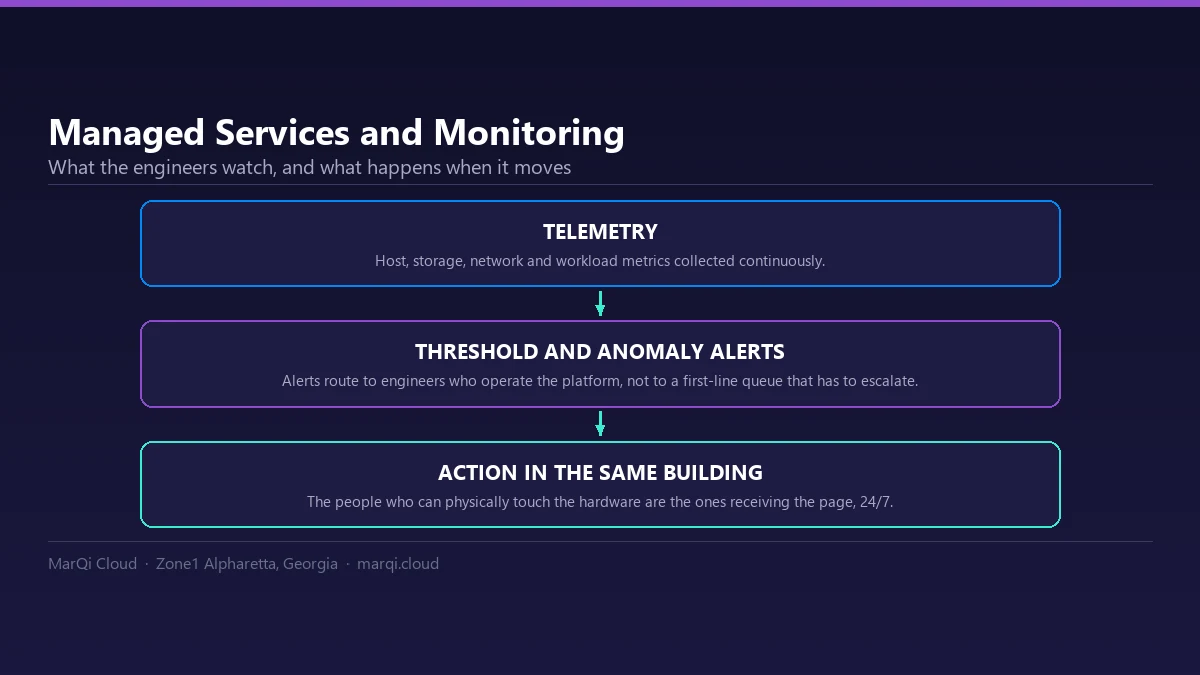
Continuous monitoring of performance and security metrics is vital in identifying anomalies and potential threats. Implement tools that provide real-time insights into your GPU hosting environment.
8. Educate Employees
Training your employees on security best practices is crucial in maintaining a secure GPU hosting environment. Regular training sessions can help raise awareness about potential threats and the importance of compliance.
Choosing the Right GPU Hosting Provider in Atlanta
When searching for a GPU hosting provider in Atlanta, consider the following factors:
1. Compliance Certifications
Ensure that the provider holds certifications relevant to your industry and data needs. This demonstrates their commitment to maintaining security and compliance.
2. Infrastructure Quality
Assess the infrastructure quality, including hardware specifications, network reliability, and data center security measures. High-quality infrastructure is essential for optimal performance.
3. Customer Support
Reliable customer support can be a game-changer in addressing any issues that may arise. Look for providers that offer 24/7 support to ensure your operations run smoothly.
4. Flexible Pricing Models
Evaluate the pricing models offered by potential providers. Flexible pricing options can help you manage costs effectively while accessing the resources you need.
Conclusion
Secure GPU hosting is essential for businesses in Atlanta looking to leverage advanced computing technologies. By focusing on compliance and following best practices, organizations can protect their data and ensure a smooth operational flow. Choosing the right GPU hosting provider is critical to achieving these goals. With the right infrastructure, security measures, and support, businesses can unlock the full potential of GPU hosting while minimizing risks.
FAQs
1. What is GPU hosting?
GPU hosting is a cloud computing service that provides access to dedicated Graphics Processing Units (GPUs) for enhanced computational capabilities.
2. Why is compliance important in GPU hosting?
Compliance ensures that data is handled securely and in accordance with industry regulations, protecting businesses from legal and financial repercussions.
3. What are some common compliance standards for GPU hosting?
Common compliance standards include GDPR, HIPAA, PCI DSS, and FedRAMP.
4. How can I ensure my GPU hosting environment is secure?
Implement strong access controls, utilize encryption, conduct regular security audits, and educate employees on security best practices.
5. What should I look for in a GPU hosting provider?
Look for compliance certifications, infrastructure quality, customer support, and flexible pricing models when selecting a provider.
6. What are the benefits of GPU hosting?
Benefits include improved performance, scalability, cost-efficiency, and access to advanced computing resources without heavy capital investments.
7. Can GPU hosting be used for machine learning?
Yes, GPU hosting is ideal for machine learning applications due to its ability to handle complex computations efficiently.
8. How often should I conduct security audits?
Regular security audits should be conducted at least annually, with more frequent assessments in high-risk environments.
9. What is a disaster recovery plan?
A disaster recovery plan outlines procedures to restore data and resume operations in the event of data loss or system failure.
10. How do I monitor performance in a GPU hosting environment?
Utilize monitoring tools that provide real-time insights into performance metrics and security status.