How to Build a Cost-Effective Cloud Infrastructure Without Sacrificing Performance
August 4, 2026Why Reserved Instances and Committed Use Plans Can Waste Money
August 4, 2026
The Complete Guide to Cloud Cost Optimization Strategies for Enterprise IT Budgets
In today’s digital landscape, where cloud computing has become the backbone of enterprise IT, organizations are increasingly focused on optimizing their cloud costs. With the right cloud cost optimization strategies, enterprises can significantly reduce their IT budgets while still maintaining high performance and scalability. In this comprehensive guide, we will explore various strategies and best practices that can help you achieve effective cloud cost optimization. Whether you’re managing a hybrid cloud infrastructure or a private cloud environment, you will find actionable insights to improve your cloud spending.
Understanding Cloud Costs
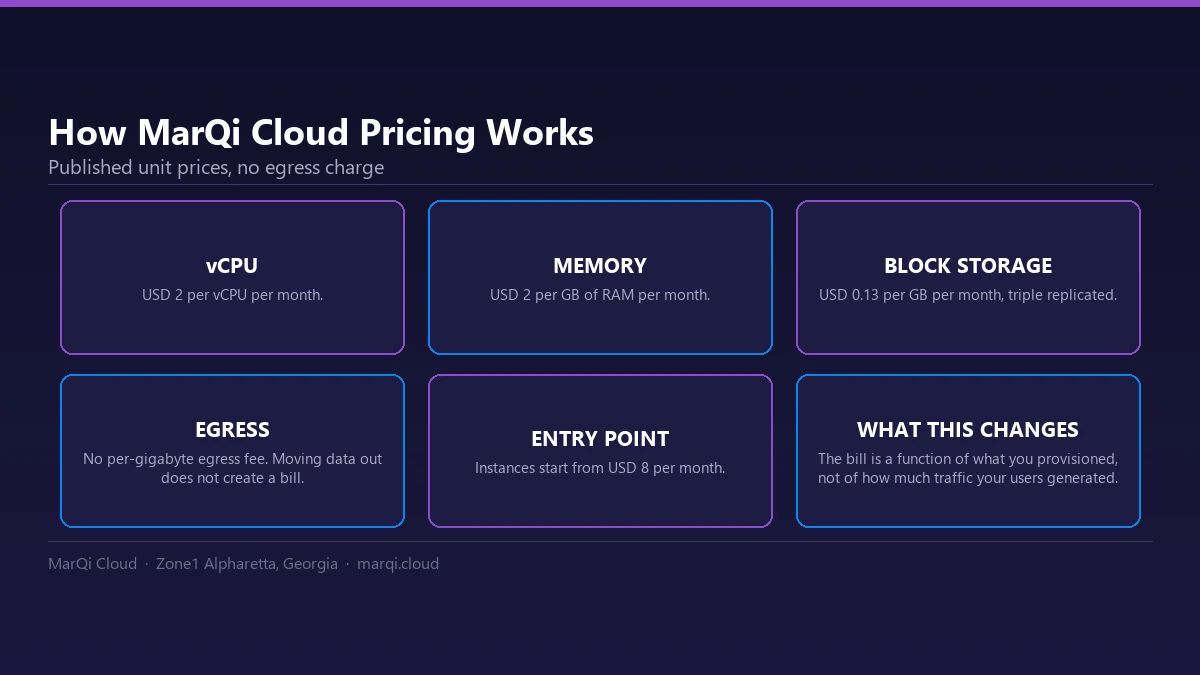
To effectively optimize cloud costs, it is essential to first understand what drives these costs. Cloud pricing models vary significantly between providers and can include:
- Compute Costs: Charges based on the processing power utilized by your applications.
- Storage Costs: Fees for storing data in the cloud, which can vary based on the type of storage used (e.g., object storage vs. block storage).
- Networking Costs: Expenses related to data transfer both in and out of the cloud, which can add up quickly for high-traffic applications.
- Managed Services: Costs associated with additional managed services, such as security, monitoring, and backups.
Understanding these components will enable you to pinpoint areas where you can achieve cost savings. For instance, utilizing an open-source cloud platform can lower your total cost of ownership (TCO) by eliminating vendor lock-in, as discussed in our article on why the total cost of open source cloud is lower than proprietary alternatives.
The Importance of Cost Optimization
Cloud cost optimization is not merely a tactical move; it is a strategic necessity for enterprises looking to thrive in a competitive environment. Organizations that implement effective cloud cost management strategies can cut a meaningful share of their cloud spending. This financial flexibility allows businesses to reinvest in innovation and growth.
Moreover, as enterprises scale their cloud usage, the complexity of managing costs increases. Without a defined strategy, organizations may experience a phenomenon known as cloud sprawl, where resources are provisioned but not adequately monitored or managed. This can lead to unnecessary expenses and inefficiencies.
Strategies for Cloud Cost Optimization
Here are some proven strategies to optimize your enterprise cloud costs:
1. Implement Resource Tagging
Resource tagging allows you to categorize and identify cloud resources based on specific criteria such as departments, projects, or environments. By implementing a tagging strategy, you can:
- Gain visibility into your cloud spending.
- Identify underutilized or idle resources.
- Allocate costs accurately to different departments or projects.
2. Right-Size Your Resources
Right-sizing involves analyzing your current cloud resource utilization and adjusting it to match your actual needs. This can include:
- Downgrading over-provisioned instances.
- Eliminating unused resources.
- Switching to more cost-effective storage options.
For example, if your application runs on a virtual machine that is consistently underutilized, consider scaling down to a smaller instance type. Tools like AWS Cost Explorer or Azure Cost Management can assist in identifying right-sizing opportunities.
3. Leverage Reserved Instances and Savings Plans
Many cloud providers offer reserved instances or savings plans that allow you to commit to a longer-term usage of resources at a discounted rate. This can lead to substantial savings, especially for predictable workloads. For example:
| Instance Type | On-Demand Price | Reserved Price (1 Year) | Potential Savings |
|---|---|---|---|
| AWS t2.large | $0.0832/hour | $0.059/hour | 29% |
| Azure D2s_v3 | $0.096/hour | $0.067/hour | 30% |
By analyzing your usage patterns, you can make informed decisions about committing to reserved instances that align with your long-term needs.
4. Utilize Auto-Scaling Features
Cloud auto-scaling allows your applications to automatically adjust their resource allocation based on demand. This means:
- Reducing costs during off-peak hours.
- Ensuring performance during peak times.
For example, if your e-commerce platform experiences spikes during holiday seasons, auto-scaling can help you manage traffic without overspending during slower periods.
5. Monitor and Analyze Cloud Spending
Regular monitoring and analysis of your cloud spending will help you stay informed about your costs and identify trends over time. Make use of tools like:
- AWS Budgets
- Google Cloud Billing Reports
- MarQi Cloud’s custom dashboards
These tools can provide insights into spending patterns, helping you adjust your strategies proactively.
Tools and Techniques for Cost Management
To effectively implement your cloud cost optimization strategies, consider utilizing the following tools and techniques:
1. Cloud Cost Management Platforms
Platforms like CloudHealth, CloudCheckr, and Spot.io provide comprehensive insights into your cloud usage and costs. These tools allow you to:
- Visualize your cloud spending.
- Identify cost-saving opportunities.
- Implement automation for cost management.
2. Budgeting and Forecasting Tools
Effective budgeting and forecasting tools are essential for monitoring cloud costs. Use tools like:
- Adaptive Insights
- Planful
- MarQi Cloud’s flexible pricing models
These tools can help you set realistic budgets and forecast future spending based on historical data.
3. Continuous Optimization Practices
Cost optimization is not a one-time effort; it requires continuous monitoring and adjustment. Implement practices such as:
- Regularly reviewing and updating resource allocations.
- Conducting quarterly audits of your cloud spending.
- Staying informed about new features and pricing models from your cloud provider.
Case Studies of Successful Cost Optimization
To illustrate the effectiveness of cloud cost optimization strategies, consider the following case studies:
Case Study 1: E-commerce Company
An e-commerce company implemented auto-scaling and right-sizing strategies, resulting in a 40% reduction in cloud spending. By analyzing their usage patterns, they identified that many instances were underutilized during off-peak hours, allowing them to scale down and save costs.
Case Study 2: SaaS Startup
A SaaS startup leveraged reserved instances and implemented resource tagging. This strategy led to a savings of over 25% on their annual cloud bill, enabling them to allocate more resources toward product development.
Frequently Asked Questions
1. What is cloud cost optimization?
Cloud cost optimization involves strategies and practices aimed at reducing unnecessary cloud expenses while maintaining optimal performance and availability.
2. Why is cloud cost optimization important for enterprises?
It helps organizations manage their IT budgets effectively, enabling them to reinvest savings into innovation and growth.
3. How can I monitor my cloud spending?
You can use cloud provider tools like AWS Budgets, Azure Cost Management, or third-party platforms like CloudHealth for effective monitoring.
4. What are reserved instances?
Reserved instances are a pricing model offered by cloud providers that allow you to commit to using specific resources over a set period for a discounted rate.
5. How can I identify underutilized resources?
By implementing resource tagging and using cloud monitoring tools, you can track resource usage and identify areas of inefficiency.
6. What is right-sizing?
Right-sizing is the process of adjusting cloud resources to match actual usage, ensuring you are not over-provisioning or under-utilizing resources.
7. How often should I review my cloud costs?
It is recommended to conduct quarterly reviews of your cloud spending to stay informed and make necessary adjustments.
8. Can cloud cost optimization improve performance?
Yes, by optimizing your resources, you can enhance performance while reducing costs, as resources are allocated based on current needs.
Conclusion
Cloud cost optimization is a critical component of effective enterprise IT budget management. By implementing the strategies outlined in this guide, organizations can achieve substantial cost savings while maintaining performance and scalability. Embrace these practices to ensure your cloud investments yield maximum returns, allowing you to focus on driving innovation and growth in your business.