How Hybrid Cloud Architecture Combines On-Premise and Cloud Computing Benefits
July 24, 2026
Why Hybrid Cloud Is a Permanent Architecture Choice for Modern Businesses
July 24, 2026
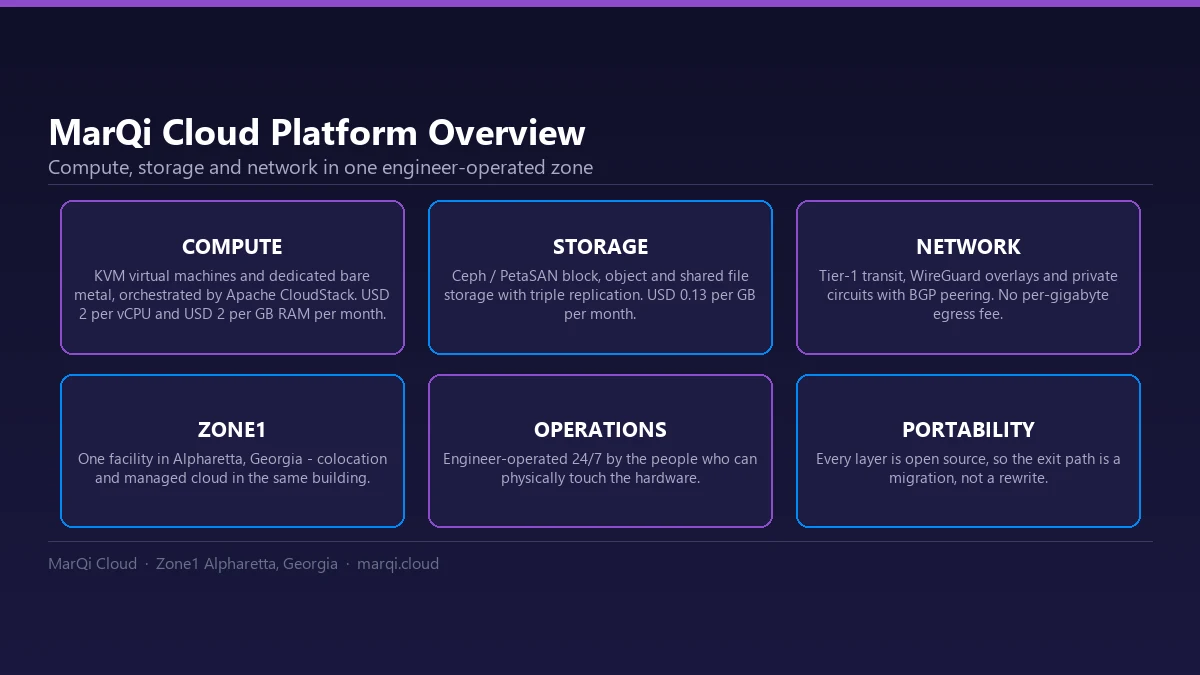
The Complete Guide to Designing a Hybrid Cloud Strategy for Enterprise Workloads
In today’s fast-paced digital landscape, enterprises are increasingly turning to hybrid cloud solutions to optimize their IT infrastructure. A well-architected hybrid cloud strategy allows organizations to leverage the best of both public and private cloud environments, ensuring flexibility, scalability, and enhanced security. This comprehensive guide will walk you through the essential components of designing a hybrid cloud strategy tailored for enterprise workloads, providing actionable insights and best practices to help your organization thrive in the cloud era.
What is hybrid cloud architecture?
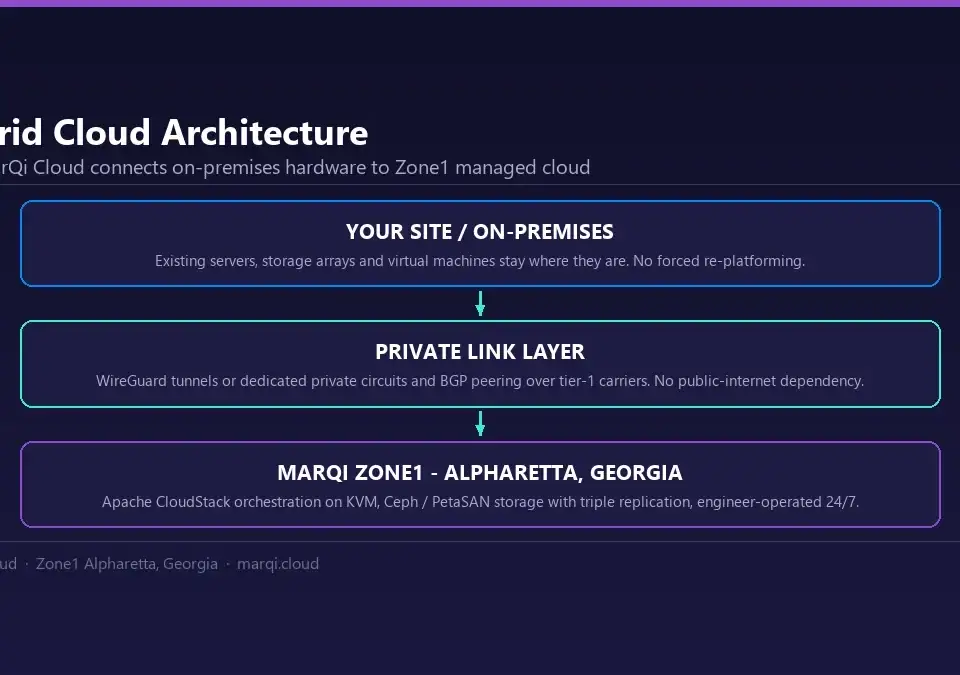
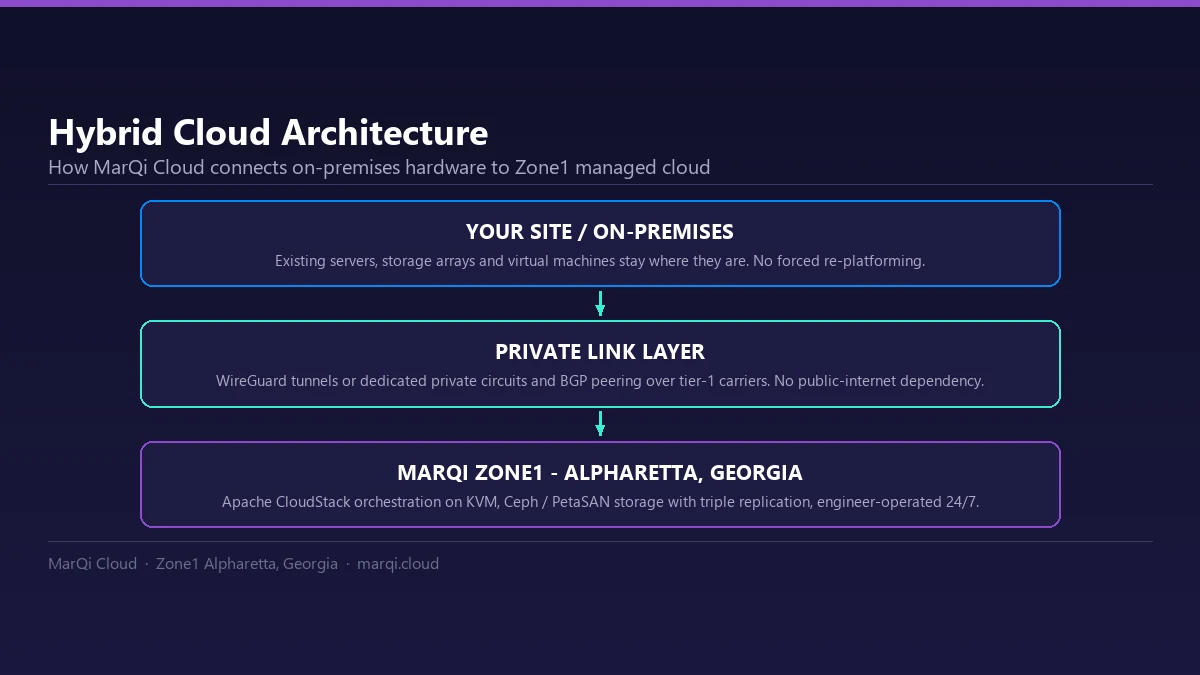
A hybrid cloud architecture combines public cloud services with private cloud infrastructure, allowing data and applications to be shared between them. This model offers organizations the flexibility to run workloads where they perform best, whether in a public cloud for scalability or a private cloud for security and compliance. Hybrid cloud has moved from a niche pattern to the ordinary shape of enterprise infrastructure, which is why the strategy question is worth answering deliberately.
Core Components of Hybrid Cloud Architecture
- Public Cloud: Services offered by third-party providers, such as AWS or Microsoft Azure, accessible over the internet.
- Private Cloud: Dedicated infrastructure managed either internally or by a third-party provider, offering enhanced security and control.
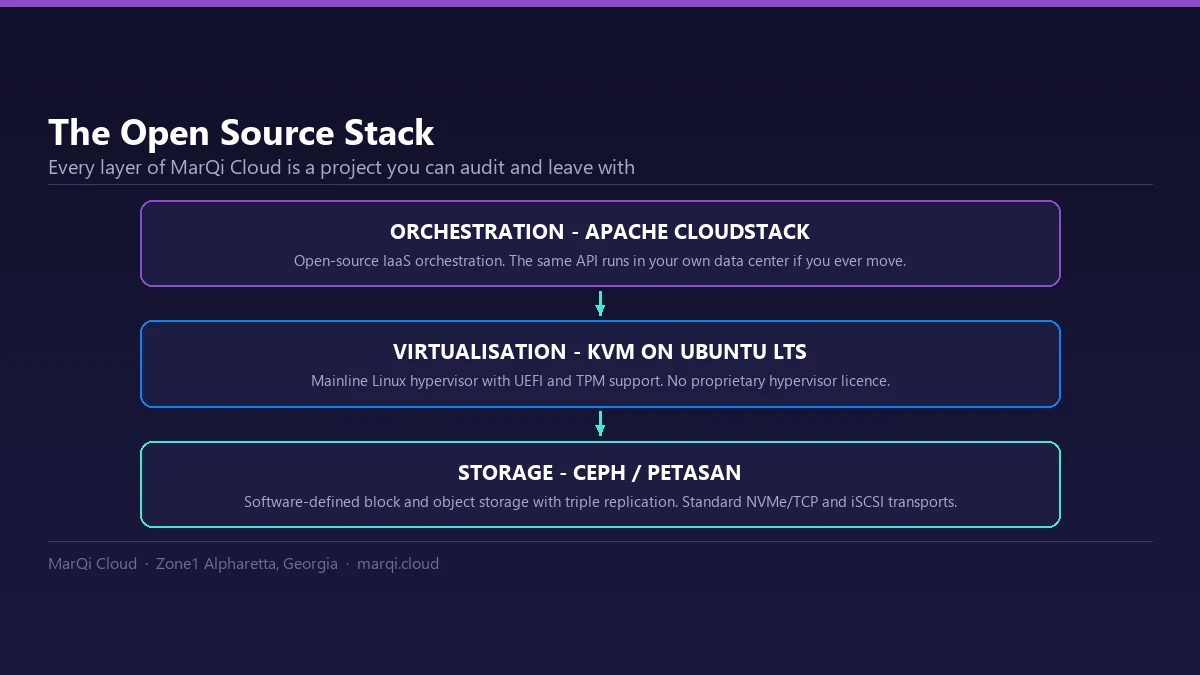
- Integration Layer: Tools and technologies that facilitate communication and data transfer between public and private clouds.
- Management Tools: Platforms that provide visibility, control, and orchestration across both environments.
Key Benefits of Hybrid Cloud Solutions
Hybrid cloud solutions provide several advantages for enterprise workloads, making them an attractive choice for organizations looking to modernize their infrastructure:
- Flexibility: Hybrid clouds allow businesses to scale resources up or down based on demand, optimizing costs and performance.
- Cost Efficiency: Organizations can run less sensitive workloads on public clouds to save on infrastructure costs while keeping critical data on private clouds.
- Improved Security: Sensitive data can be stored in a secure private cloud, while less critical operations can leverage the cost-effectiveness of public cloud resources.
- Disaster Recovery: Hybrid clouds offer robust disaster recovery solutions, enabling organizations to maintain business continuity even during outages.
Assessing Your Current IT Infrastructure
Before designing a hybrid cloud strategy, it’s essential to conduct a thorough assessment of your existing IT infrastructure. This assessment should include:
- Inventory of Applications: Identify all applications and workloads currently running on your infrastructure and their specific requirements.
- Performance Metrics: Collect data on performance, availability, and resource utilization to understand where improvements can be made.
- Compliance Needs: Evaluate regulatory requirements that may impact where and how data is stored, particularly for industries like healthcare and finance.
- Security Posture: Assess your organization’s current security measures and identify gaps that need to be addressed before moving to a hybrid cloud.
Designing Your Hybrid Cloud Strategy
Designing a hybrid cloud strategy involves several key steps:
- Define Objectives: Clearly outline the goals you want to achieve with your hybrid cloud strategy. This could include improving scalability, reducing costs, or enhancing security.
- Select Suitable Workloads: Determine which applications are best suited for the hybrid cloud model. Consider factors such as data sensitivity, compliance requirements, and performance needs.
- Choose the Right Providers: Evaluate cloud service providers based on their offerings, performance, security features, and support services. MarQi Cloud offers enterprise-grade hybrid cloud solutions that can be tailored to your specific needs.
- Design Integration Strategies: Plan how you will integrate public and private cloud environments. This may involve using APIs, middleware, or other integration tools.
- Establish Governance Policies: Develop policies for managing data security, compliance, and resource allocation across your hybrid cloud environment.
Comparison Table: Public Cloud vs. Private Cloud
| Feature | Public Cloud | Private Cloud |
|---|---|---|
| Cost | Pay-as-you-go pricing | Higher upfront costs, but predictable |
| Scalability | Highly scalable | Limited by physical infrastructure |
| Security | Shared environment, less secure | Dedicated environment, more secure |
| Compliance | Less control over compliance | Greater control over compliance |
Implementing Your Hybrid Cloud Solution
Once your strategy is defined, the next step is implementation. Follow these steps for a successful rollout:
- Develop a Migration Plan: Create a detailed plan for migrating workloads to the hybrid cloud, including timelines and responsibilities.
- Test Before Full Migration: Conduct pilot tests with selected workloads to ensure performance and compatibility.
- Monitor and Optimize: Once workloads are migrated, continuously monitor performance and optimize configurations as needed.
- Train Staff: Ensure your IT team is equipped with the necessary skills and knowledge to manage the hybrid cloud environment effectively.
Best Practices for Managing Hybrid Cloud Environments
Managing a hybrid cloud environment requires ongoing attention to ensure optimal performance and security:
- Regularly Review Security Policies: Continuously assess and update security measures to protect sensitive data.
- Automate Where Possible: Utilize automation tools to streamline processes and reduce human error in management.
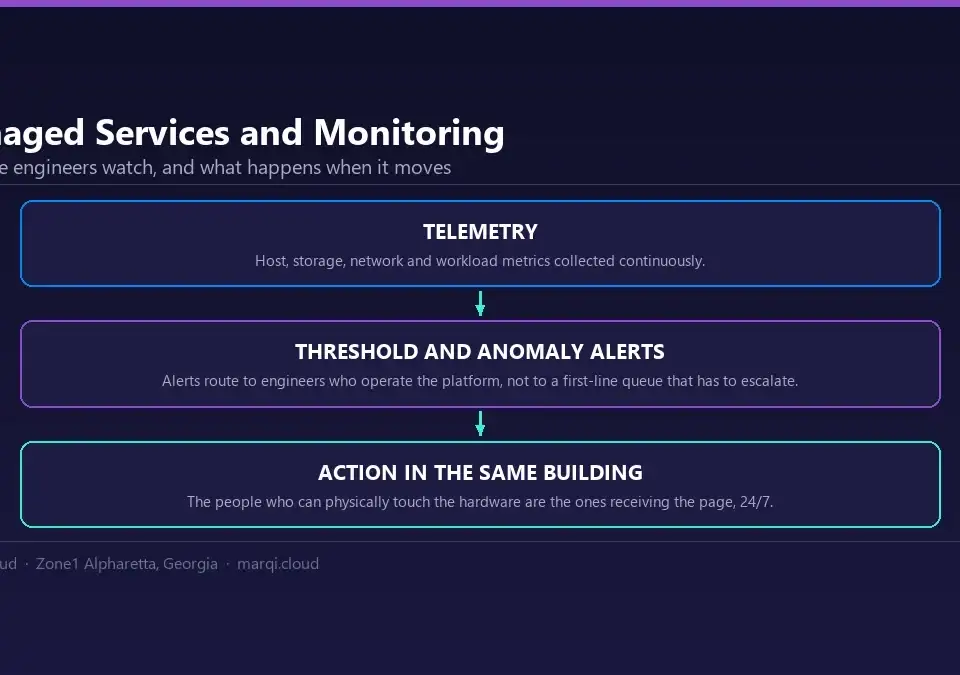
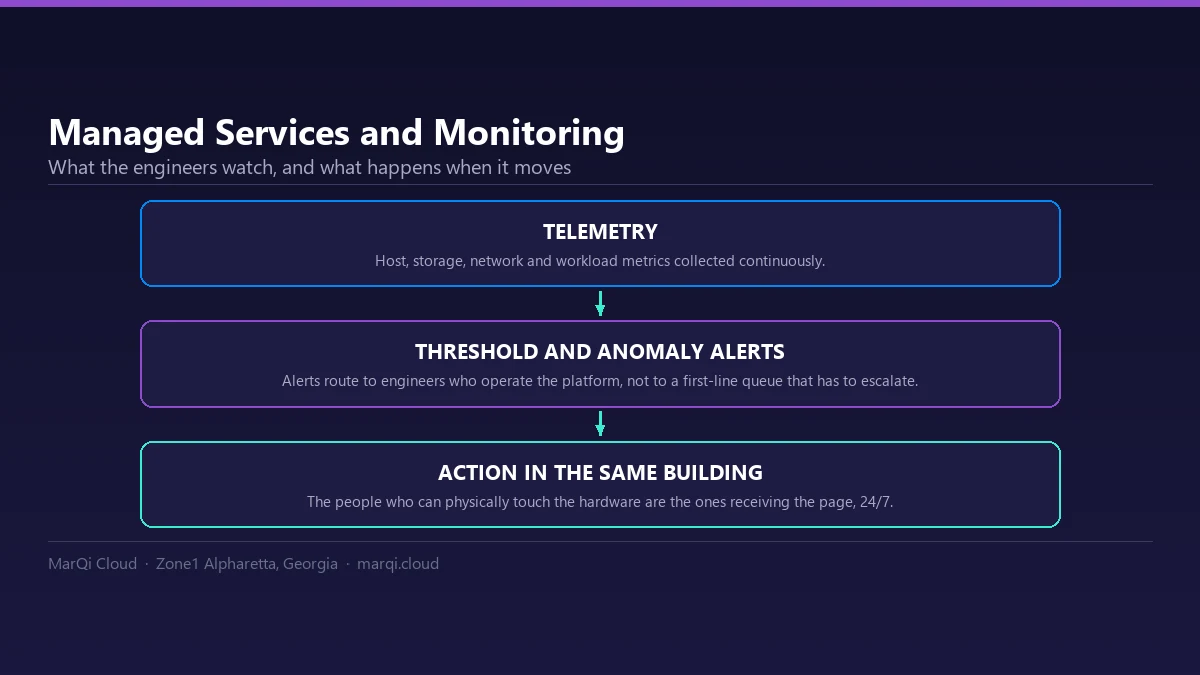
- Implement Monitoring Tools: Use monitoring solutions to gain visibility into resource utilization and performance metrics across your hybrid cloud.
- Stay Informed on Compliance Changes: Keep abreast of any changes in regulations that may affect your hybrid cloud strategy.
Case Studies: Successful Hybrid Cloud Implementations
To illustrate the effectiveness of hybrid cloud strategies, consider the following case studies:
Case Study 1: Healthcare Organization
A leading healthcare provider adopted a hybrid cloud strategy to enhance patient data security while leveraging public cloud resources for non-sensitive applications. By migrating their electronic health records (EHR) to a private cloud, they ensured compliance with HIPAA regulations while using a public cloud for data analytics. This approach resulted in improved patient care and operational efficiency.
Case Study 2: Financial Services Firm
A major financial institution implemented a hybrid cloud solution to manage fluctuating workloads during tax season. By utilizing the public cloud for peak processing times and maintaining sensitive customer data in a private cloud, they achieved cost savings and maintained compliance with financial regulations.
FAQs
What is a hybrid cloud strategy?
A hybrid cloud strategy is a combination of public and private cloud services that allows organizations to operate workloads in the most appropriate environment based on their specific needs.
What are the benefits of hybrid cloud solutions?
Hybrid cloud solutions offer flexibility, cost efficiency, improved security, and robust disaster recovery capabilities.
How do I decide which workloads to migrate to the hybrid cloud?
Consider factors such as data sensitivity, compliance requirements, and performance needs when deciding which workloads to migrate.
What providers offer hybrid cloud solutions?
Several providers, including MarQi Cloud, offer tailored hybrid cloud solutions that meet enterprise requirements.
Is hybrid cloud suitable for all organizations?
While hybrid cloud can benefit many organizations, it’s essential to assess your specific needs and infrastructure before implementation.
How can I ensure compliance in a hybrid cloud environment?
Establish governance policies and regularly review compliance requirements to ensure data security and regulatory adherence.
What tools are available for managing hybrid cloud environments?
There are various management tools available that provide visibility, control, and orchestration across hybrid cloud environments.
How do I avoid common hybrid cloud pitfalls?
Conduct thorough assessments, develop clear migration plans, and continuously monitor your environment to avoid pitfalls associated with hybrid cloud implementations.
What are the key challenges of hybrid cloud management?
Key challenges include ensuring security, managing costs, and maintaining compliance across diverse environments.
How can MarQi Cloud assist with hybrid cloud strategies?
MarQi Cloud specializes in enterprise-grade hybrid cloud solutions that provide the flexibility, scalability, and security necessary for modern workloads. Our hybrid cloud offerings are designed to meet the unique needs of your organization.
What is the future of hybrid cloud?
The future of hybrid cloud looks promising, with increasing adoption as organizations continue to seek flexible, scalable, and secure cloud solutions.
How do I get started with a hybrid cloud strategy?
Start by assessing your current IT infrastructure, defining your objectives, and developing a clear migration plan.
Conclusion
Designing a hybrid cloud strategy for enterprise workloads is a multifaceted process that requires careful planning and execution. By understanding the core components of hybrid cloud architecture, assessing your existing infrastructure, and following best practices, your organization can successfully navigate the complexities of hybrid cloud environments. Remember, the key to a successful hybrid cloud strategy lies in flexibility, security, and continuous optimization. For tailored hybrid cloud solutions that meet enterprise demands, consider partnering with MarQi Cloud.