How to Get Maximum ROI From Your MarQi Cloud Subscription
June 16, 2026Why MarQi Cloud vs. The Big Three Is Not Even a Fair Fight Anymore
June 17, 2026
The Complete Infrastructure Checklist Every Business Needs Before Going Live on MarQi Cloud
As businesses continue to adopt cloud solutions, the importance of a robust and well-planned infrastructure becomes paramount. Transitioning to a cloud environment, particularly with a reliable provider like MarQi Cloud, requires meticulous preparation. In this comprehensive guide, we will walk you through an essential infrastructure checklist that every business should consider before going live on MarQi Cloud. This checklist encompasses key aspects of enterprise-grade cloud infrastructure, hybrid deployment models, security measures, and scalability features designed to set your business up for success.
Understanding Cloud Infrastructure
Cloud infrastructure refers to the collection of hardware and software components that are necessary to facilitate cloud computing. This includes servers, storage, networking equipment, and software applications. MarQi Cloud offers an enterprise-grade cloud infrastructure that is designed to meet the demands of modern businesses. Before going live, it’s essential to have a clear understanding of your cloud infrastructure needs.
1. Define Your Business Requirements
Identifying Your Goals
Before diving into the technical aspects, outline your business goals. What do you aim to achieve by moving to the cloud? Whether it’s improving operational efficiency, reducing costs, or enhancing data security, your goals will dictate the infrastructure requirements.
Assessing Workloads
Evaluate the types of workloads you will run on the cloud. Are they compute-intensive applications, or do they rely heavily on storage? Understanding your workloads will help you determine the necessary compute and storage resources.
2. Choose the Right Cloud Deployment Model
Cloud deployment models dictate how cloud services are delivered and consumed. MarQi Cloud offers various deployment models, including hybrid cloud solutions. Consider the following:
Public Cloud
For businesses looking to leverage shared resources to minimize costs, a public cloud model can be ideal. However, assess whether your data security and compliance needs align with this model.
Private Cloud
If your business requires heightened security and control, a private cloud may be the better option. MarQi Cloud provides secure hosting environments tailored for businesses with stringent compliance requirements.
Hybrid Cloud
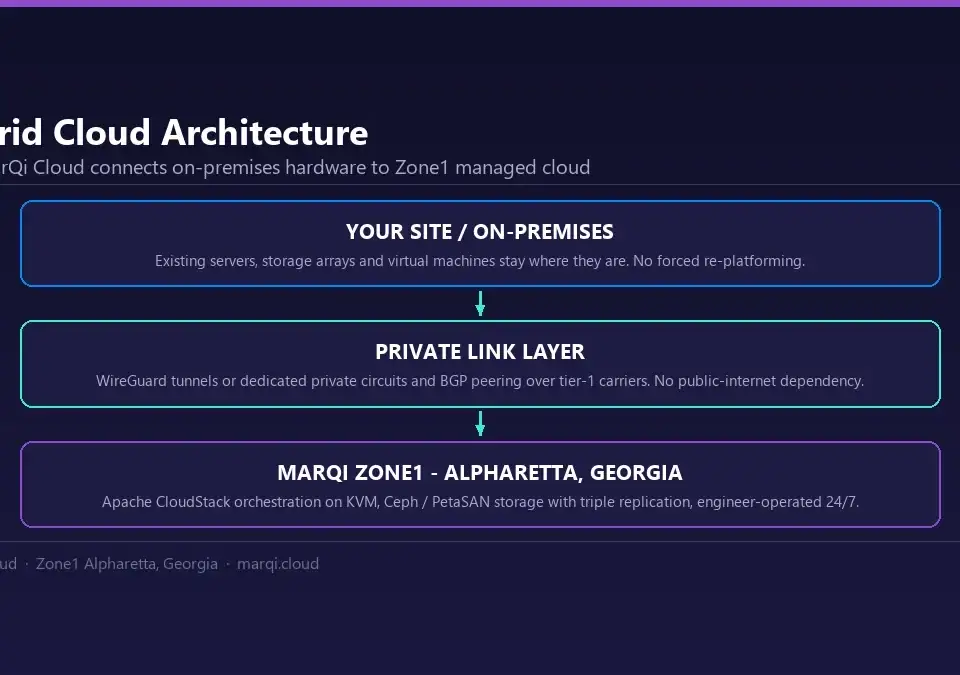
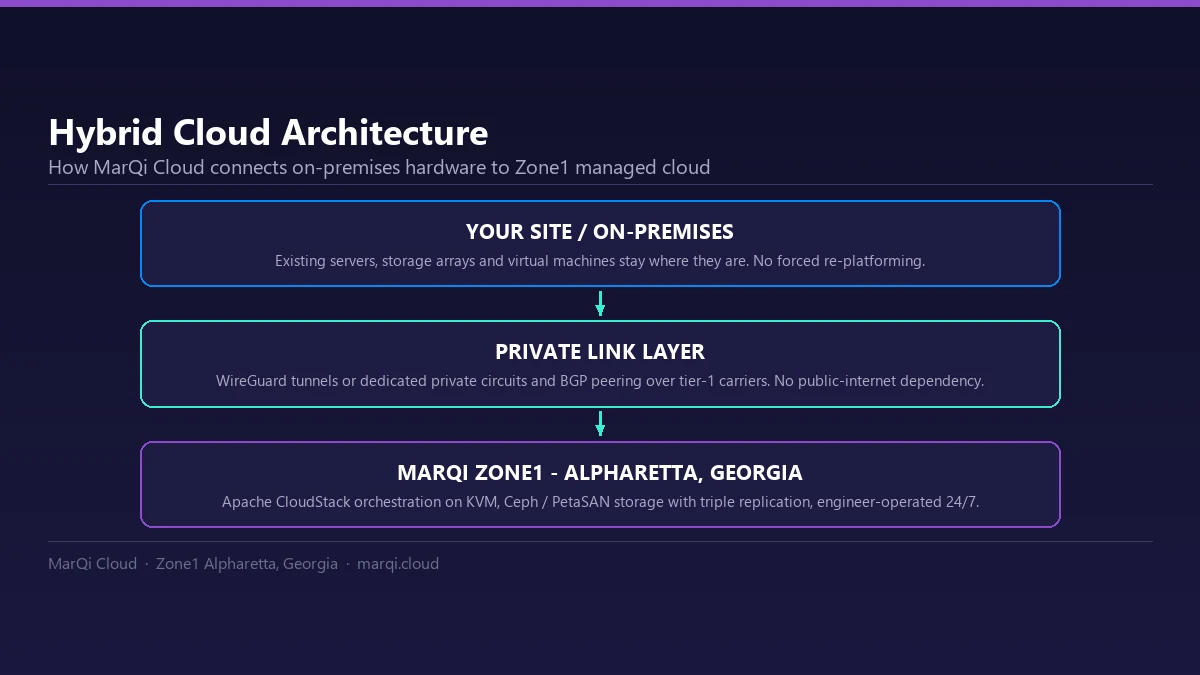
A hybrid cloud model combines the best of both worlds, allowing businesses to operate critical workloads on a private cloud while leveraging the public cloud for less sensitive tasks. This model offers flexibility and scalability, which are crucial for modern businesses.
3. Evaluate Security and Compliance Measures
Data security is a top concern for any business moving to the cloud. MarQi Cloud prioritizes the security of your data and applications, but you must also take proactive steps to ensure compliance with industry regulations.
Data Encryption
Ensure that data is encrypted both in transit and at rest. This protects sensitive information from unauthorized access and breaches.
Access Control
Implement strict access control measures. Use role-based access to ensure only authorized personnel can access sensitive data and applications.
Compliance Standards
Familiarize yourself with industry-specific compliance standards, such as GDPR, HIPAA, or PCI-DSS, and ensure that your cloud provider meets these requirements.
4. Plan for Scalability
One of the significant advantages of cloud computing is the ability to scale resources as needed. When preparing to go live on MarQi Cloud, consider the following:
Resource Allocation
Determine how much compute and storage resources you will need at launch and how you plan to scale them over time. MarQi Cloud’s scalable infrastructure can adapt to your growing business needs.
Load Balancing
Implement load balancing solutions to distribute workloads evenly across servers. This ensures optimal performance and availability during peak usage times.
5. Develop a Backup and Disaster Recovery Plan
Business continuity is critical. A robust backup and disaster recovery plan will ensure that your data is safe and can be restored in case of an incident.
Regular Backups
Schedule regular backups of your data. Consider using MarQi Cloud’s backup solutions that automate this process while ensuring data integrity.
Disaster Recovery Solutions
Implement disaster recovery solutions that allow for quick recovery of applications and data. MarQi Cloud provides business continuity services that help mitigate risks associated with downtime.
6. Optimize Performance
Performance-driven infrastructure design is crucial for ensuring that your applications run smoothly. Consider the following:
Monitoring Tools
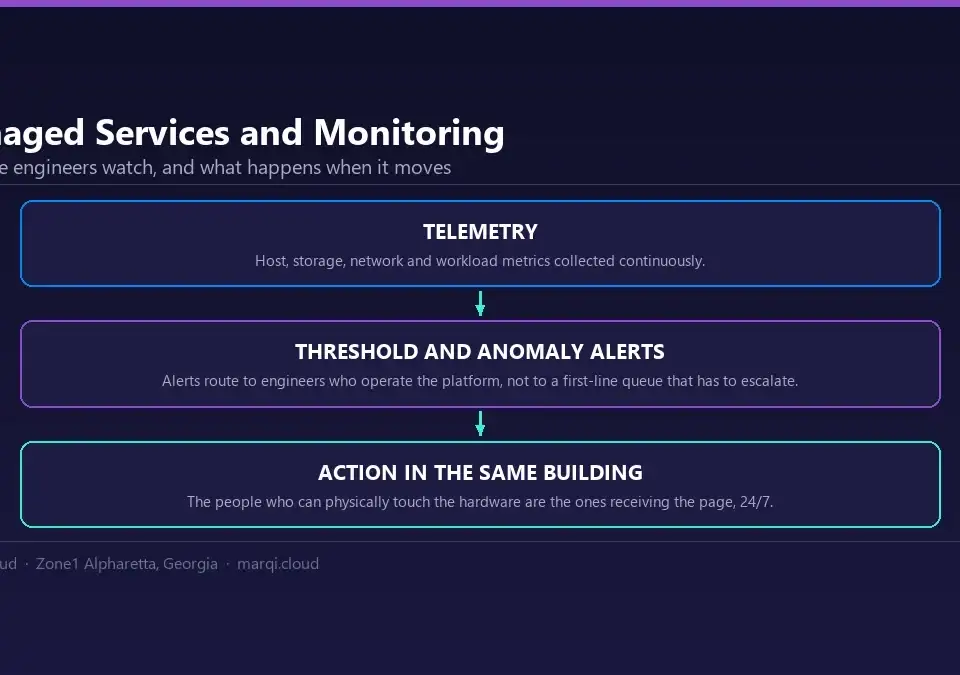
Utilize monitoring tools to track the performance of your applications and infrastructure. This helps identify bottlenecks and areas for improvement.
Network Configuration
Ensure that your network configuration is optimized for performance. This includes setting up Virtual Private Clouds (VPCs) and optimizing bandwidth.
7. Establish a Support Framework
Having a reliable support system in place can make a significant difference, especially when issues arise.
US-Based Support
MarQi Cloud offers US-based infrastructure and support, ensuring that you have access to assistance whenever needed.
Documentation and Training
Provide comprehensive documentation and training for your team. This empowers them to troubleshoot basic issues and reduces reliance on support.
8. Create a Flexible Pricing Model
Understanding the cost implications of your cloud infrastructure is essential for budgeting and financial planning.
Cost Analysis
Conduct a cost analysis to determine the best pricing model for your business needs. MarQi Cloud offers flexible pricing models that can be tailored to your specific requirements.
Budgeting for Growth
Factor in the potential for growth in your budget. Make sure to account for additional costs associated with scaling resources and expanding services.
Conclusion
Moving to the cloud is a transformative step for any business, and having a comprehensive infrastructure checklist is essential for a successful transition. By following the steps outlined in this guide, you can ensure that your business is well-prepared to go live on MarQi Cloud. From defining your business requirements to establishing a robust support framework, each component plays a crucial role in your cloud journey.
FAQ
1. What is cloud infrastructure?
Cloud infrastructure refers to the hardware and software resources necessary to provide cloud computing services, including servers, storage, and networking components.
2. What are the different cloud deployment models?
The main cloud deployment models are public cloud, private cloud, and hybrid cloud, each offering different levels of security and control.
3. How can I ensure data security in the cloud?
Data security can be ensured through encryption, access control, and compliance with industry standards.
4. What is a hybrid cloud model?
A hybrid cloud model combines both public and private cloud resources, allowing businesses to leverage the benefits of both environments.
5. What are the benefits of scalability in cloud computing?
Scalability allows businesses to adjust their resources according to demand, optimizing performance and cost-effectiveness.
6. What should I include in my disaster recovery plan?
Your disaster recovery plan should include regular backups, quick recovery solutions, and a clear communication strategy.
7. How can I monitor the performance of my cloud applications?
Using monitoring tools and analytics can help you track application performance and identify any issues that arise.
8. What kind of support does MarQi Cloud offer?
MarQi Cloud provides US-based infrastructure and support, ensuring businesses have access to assistance whenever needed.