MarQi Cloud vs. The Big Three: Why Smaller Doesn’t Mean Weaker
July 6, 2026
Why Enterprise Cloud Infrastructure Needs a Different Approach Than Public Cloud
July 8, 2026
The Ultimate Cloud Infrastructure Checklist Every Business Needs Before Going Live
Transitioning to the cloud is a transformative step for any business, yet it comes with its own set of challenges and considerations. Before going live with your cloud infrastructure, it is essential to have a comprehensive checklist tailored to your business needs. This article outlines the critical aspects of cloud infrastructure that every organization should evaluate, ensuring a smooth transition and optimal performance. By following this checklist, you’ll be well-prepared to leverage the full potential of your cloud environment while minimizing risks. Here, we will delve into essential factors such as compliance, security, performance, and scalability, providing you with actionable insights and expert tips.
Understanding Cloud Infrastructure
Cloud infrastructure encompasses the hardware and software components that support cloud computing. This includes servers, storage, networking, and virtualization technologies, which are essential for delivering services over the internet. Public cloud spending has grown every year for more than a decade. As businesses increasingly adopt cloud solutions, understanding the intricacies of cloud infrastructure becomes crucial.
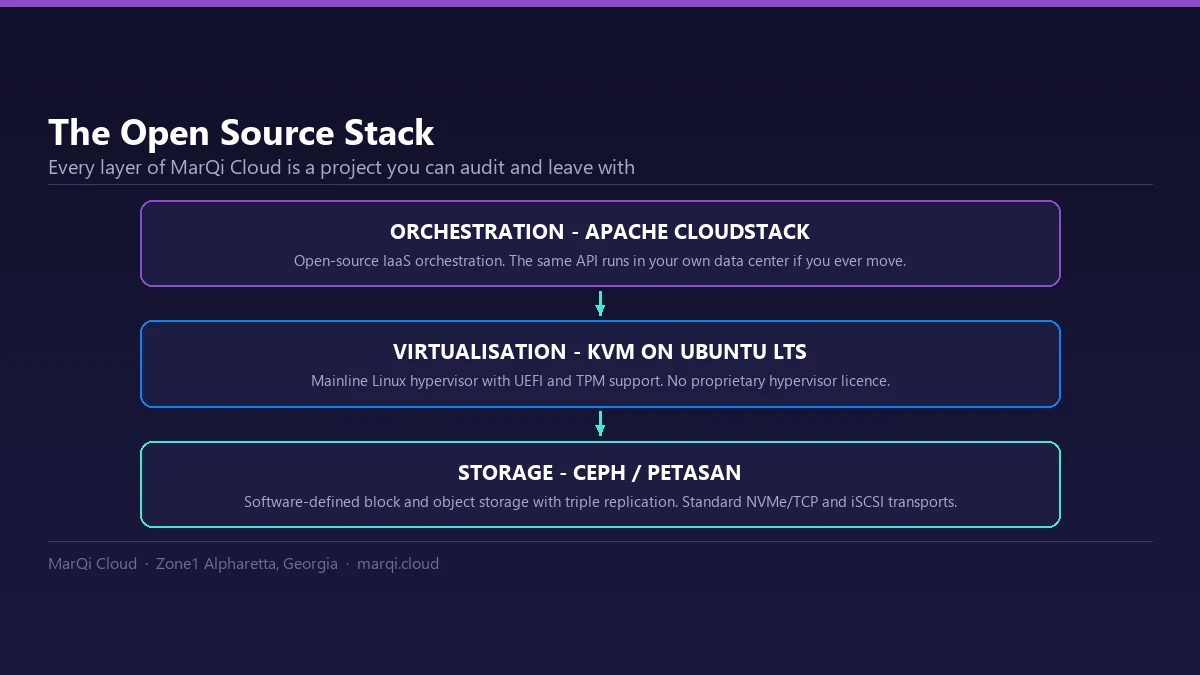
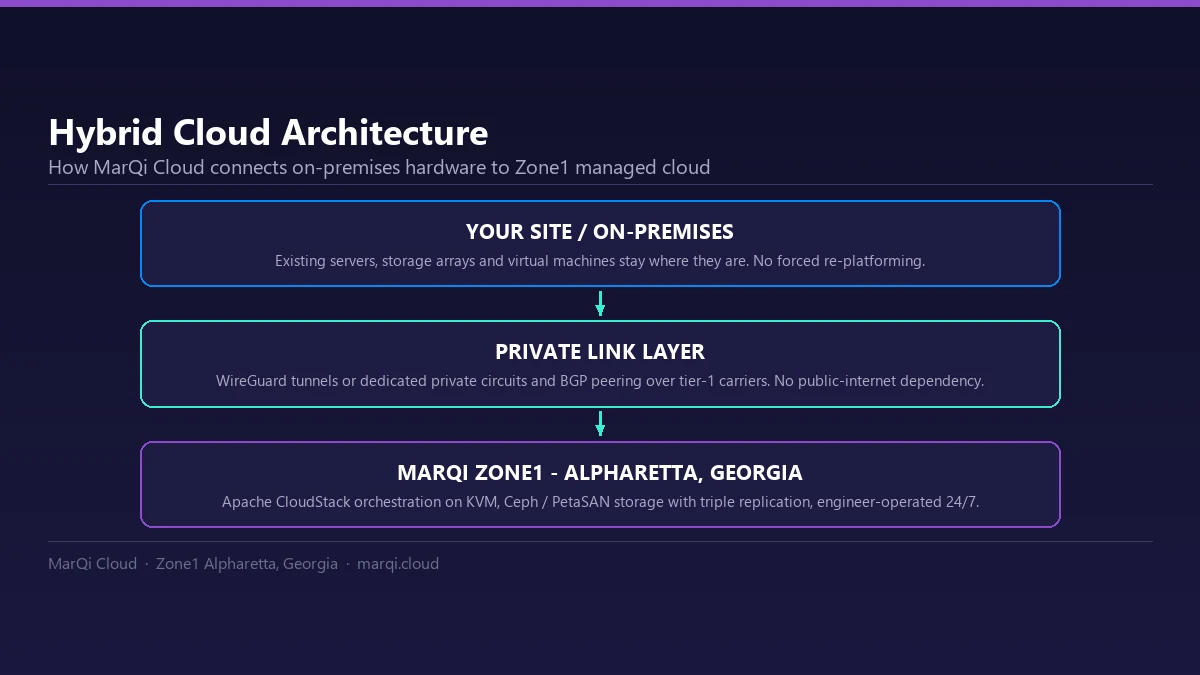
MarQi Cloud specializes in providing enterprise-grade cloud infrastructure tailored to mid-size and large organizations. Our services include hybrid cloud solutions, private cloud hosting, and managed services, ensuring that your cloud infrastructure is optimized for performance, security, and compliance.
Key Components of Cloud Infrastructure
Before launching your cloud services, it’s vital to understand the key components of cloud infrastructure:
- Compute Resources: Virtual machines (VMs) and dedicated servers that provide the processing power needed for applications.
- Storage Solutions: Various types of storage, including object storage, block storage, and file storage, to accommodate different data needs. For a detailed comparison of these storage types, refer to our article on Object Storage vs. Block Storage vs. File Storage.
- Networking: Virtual networks, load balancers, and firewalls that ensure secure and efficient data transfer between resources.
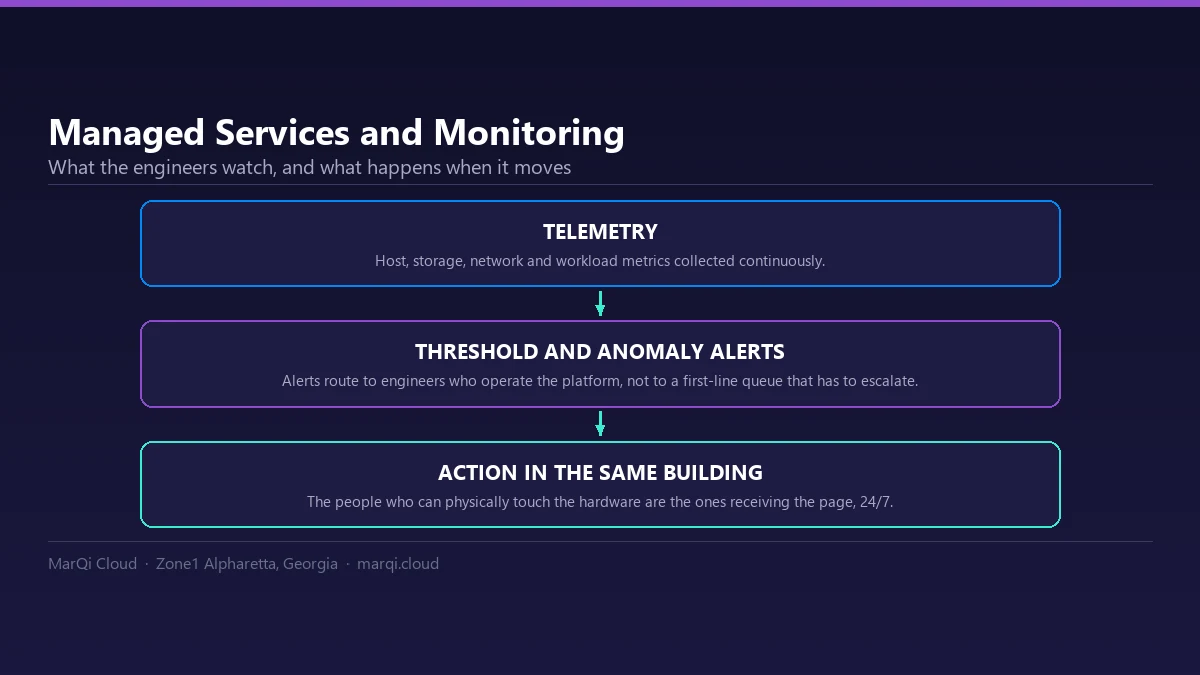
- Management Tools: Tools for monitoring, managing, and optimizing cloud resources effectively.
- Security Features: Measures such as encryption, access controls, and firewalls that protect data and applications in the cloud.
Assessing Your Business Needs
Every organization has unique requirements when it comes to cloud infrastructure. To effectively assess your business needs, consider the following steps:
- Identify Workloads: Determine which applications and workloads are suitable for the cloud. Assess their performance requirements, resource consumption, and dependencies.
- Evaluate Current Infrastructure: Conduct an audit of your existing IT infrastructure to identify gaps and opportunities for improvement.
- Define Objectives: Set clear objectives for your cloud migration, whether it’s enhancing scalability, improving performance, or reducing costs.
- Engage Stakeholders: Involve key stakeholders from different departments to gather insights and ensure alignment with business goals.
Security Considerations
Security is paramount when deploying cloud infrastructure. Here are critical security aspects to consider:
- Data Encryption: Ensure that data is encrypted both at rest and in transit to protect sensitive information.
- Access Controls: Implement role-based access controls (RBAC) to limit user access based on their roles within the organization.
- Regular Security Audits: Conduct regular security audits and vulnerability assessments to identify and mitigate potential risks.
- Incident Response Plan: Develop and maintain an incident response plan to address security breaches swiftly and effectively.
Compliance and Regulatory Requirements
Compliance with industry standards and regulations is essential for maintaining trust and avoiding legal repercussions. Key considerations include:
- Data Protection Regulations: Familiarize yourself with relevant regulations such as GDPR, HIPAA, and CCPA that may impact your business operations.
- Compliance Certifications: Choose a cloud provider that holds necessary compliance certifications (e.g., ISO 27001, SOC 2) to validate their security measures.
- Regular Compliance Audits: Conduct regular audits to ensure ongoing compliance with applicable regulations.
Performance and Scalability
Performance and scalability are critical for the success of cloud infrastructure. Consider the following:
- Load Testing: Perform load testing to evaluate how your cloud infrastructure handles peak demand and identify performance bottlenecks.
- Auto-Scaling: Implement auto-scaling features to automatically adjust resources based on demand, ensuring optimal performance during fluctuations.
- Monitoring Tools: Utilize monitoring tools to track performance metrics and gain insights into resource utilization.
Disaster Recovery and Business Continuity
Having a solid disaster recovery plan is essential to ensure business continuity in the event of an outage. Key elements include:
- Backup Solutions: Implement regular backup solutions to safeguard data. Explore our article on Cloud Disaster Recovery vs. Traditional Backup for more insights.
- Geographical Redundancy: Consider deploying your infrastructure across multiple geographic locations to mitigate risks associated with localized failures.
- Testing Recovery Plans: Regularly test your disaster recovery plans to ensure they are effective and up-to-date.
Cost Management Strategies
Managing costs in cloud infrastructure is crucial for maintaining profitability. Here are some strategies:
- Cost Monitoring Tools: Utilize cost monitoring tools to track spending and identify areas for optimization.
- Flexible Pricing Models: Choose a cloud provider that offers flexible pricing models to accommodate your business needs without lock-in constraints.
- Resource Optimization: Regularly review and optimize your resource allocation to eliminate waste and reduce costs.
Expert Tips for a Successful Deployment
To ensure a successful deployment of your cloud infrastructure, consider these expert tips:
- Conduct Thorough Testing: Before going live, conduct thorough testing of your applications and infrastructure to identify and resolve any issues.
- Train Your Team: Ensure that your team is well-trained on the new cloud infrastructure and understands best practices for usage and management.
- Engage with Your Provider: Maintain open communication with your cloud provider to address any concerns and leverage their expertise.
- Stay Updated: Keep abreast of the latest cloud trends and updates to ensure your infrastructure remains competitive and relevant.
Conclusion
Having a comprehensive cloud infrastructure checklist is essential for businesses looking to go live with cloud services. By evaluating key components such as security, compliance, performance, and cost management, organizations can ensure a smooth transition and maximize the benefits of cloud adoption. At MarQi Cloud, we are committed to supporting your cloud journey with our enterprise-grade solutions and expert guidance. Contact us today to learn how we can help you build a robust cloud infrastructure tailored to your business needs.
FAQs
1. What is cloud infrastructure?
Cloud infrastructure refers to the collection of hardware and software that supports the delivery of cloud services, including servers, storage, networking, and virtualization technologies.
2. Why is security important in cloud infrastructure?
Security is crucial in cloud infrastructure to protect sensitive data, maintain compliance with regulations, and ensure the integrity of applications and services.
3. How can I ensure compliance with regulations in the cloud?
To ensure compliance, familiarize yourself with relevant regulations, choose a compliant cloud provider, and conduct regular audits.
4. What are the benefits of using hybrid cloud solutions?
Hybrid cloud solutions offer flexibility, scalability, and the ability to optimize costs by balancing workloads between on-premise and cloud environments.
5. How do I manage costs in cloud infrastructure?
Cost management strategies include using monitoring tools, choosing flexible pricing models, and regularly optimizing resource allocation.
6. What is disaster recovery in cloud computing?
Disaster recovery involves implementing strategies and solutions to ensure business continuity and data protection in the event of an outage or disaster.
7. How can I improve the performance of my cloud infrastructure?
Improving performance can be achieved through load testing, auto-scaling, and utilizing monitoring tools to track resource usage.
8. What should I include in my cloud migration plan?
Your cloud migration plan should include an assessment of current infrastructure, identification of workloads, compliance considerations, and a disaster recovery strategy.