Colocation for MSPs in Georgia: How to Offer Private Cloud Solutions to Clients
February 25, 2026
When to Choose Managed Services: A Cost Comparison vs Hiring In-House
February 26, 2026
The Hybrid Cloud Security Stack: VPN, Segmentation, IAM, Monitoring
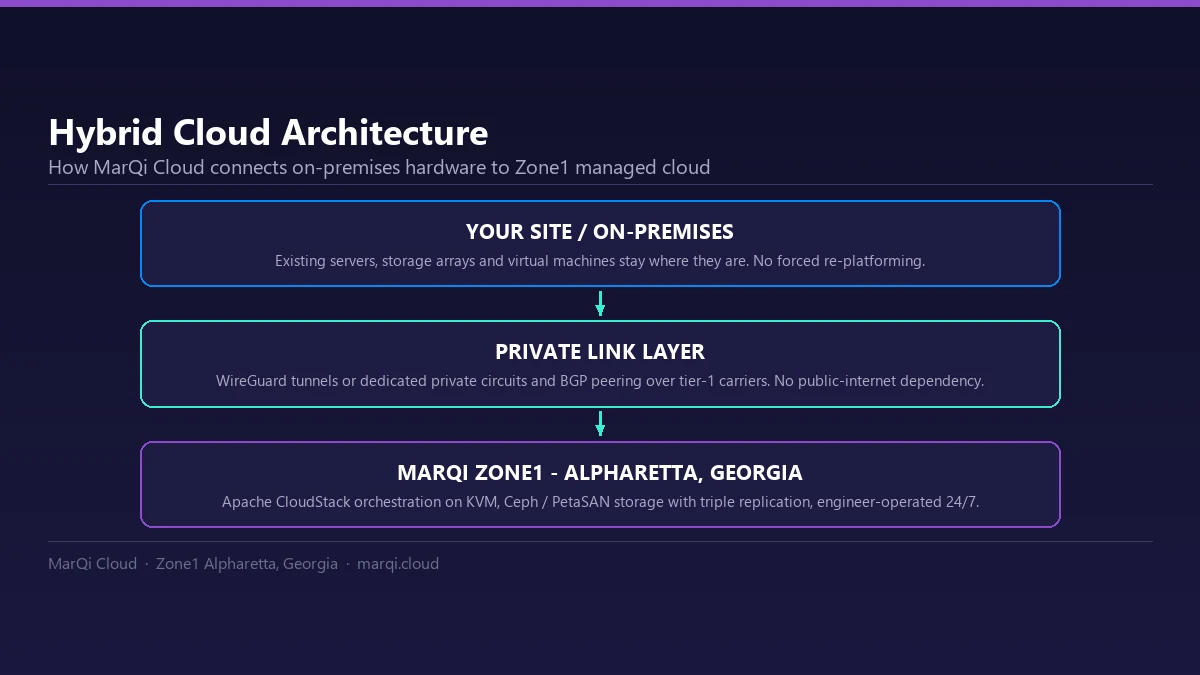
As businesses increasingly adopt hybrid cloud environments, the need for robust security measures becomes paramount. A hybrid cloud model combines on-premises infrastructure with public and private cloud services, offering flexibility and scalability. However, this complexity also introduces various security challenges that organizations must address. In this article, we will explore the essential components of a hybrid cloud security stack, focusing on VPN, segmentation, Identity and Access Management (IAM), and monitoring.
Understanding Hybrid Cloud Security
Hybrid cloud security refers to the strategies, tools, and practices used to protect data, applications, and services within a hybrid cloud environment. Security in this context must account for the unique risks associated with both public and private cloud infrastructures. Organizations must ensure that their data remains secure and compliant while taking advantage of the scalability and flexibility offered by the cloud.
1. VPN: Secure Remote Access
A Virtual Private Network (VPN) is a critical component of hybrid cloud security, providing secure remote access to cloud resources. Here’s how VPNs enhance security:
1.1 What is a VPN?
A VPN creates a secure, encrypted connection between a user’s device and the cloud infrastructure. This encryption ensures that sensitive data transmitted over the internet remains private and secure from eavesdroppers.
1.2 Benefits of Using VPN in Hybrid Cloud
- Data Encryption: VPNs encrypt data, protecting it from interception during transmission.
- Remote Access: Employees can securely access cloud resources from anywhere, ensuring business continuity.
- IP Address Masking: VPNs mask the user’s IP address, adding an additional layer of anonymity and security.
2. Segmentation: Limiting Access
Network segmentation involves dividing a network into smaller, manageable segments to enhance security. In a hybrid cloud environment, segmentation is crucial for controlling access and minimizing the spread of potential security breaches.
2.1 Importance of Segmentation
Segmentation limits the lateral movement of attackers within a network. If one segment is compromised, the impact on the overall system is minimized. Here are some key benefits:
- Improved Security Posture: By isolating critical assets, organizations can better protect sensitive data.
- Compliance: Segmentation helps organizations meet regulatory requirements by ensuring that sensitive data is stored and accessed securely.
- Optimized Performance: Segmented networks can improve performance by reducing congestion and enhancing resource allocation.
2.2 Implementing Segmentation
To implement effective segmentation, organizations can:
- Use Virtual Local Area Networks (VLANs) to separate different types of traffic.
- Utilize firewalls to enforce policies between segments.
- Implement micro-segmentation techniques to create granular security policies.
3. IAM: Controlling Access
Identity and Access Management (IAM) is a framework that ensures only authorized users have access to specific resources. Effective IAM is essential for maintaining security in a hybrid cloud environment.
3.1 Key Components of IAM
IAM includes several critical components:
- User Authentication: Verifying the identity of users attempting to access resources.
- User Authorization: Determining what resources users are permitted to access based on their roles.
- Identity Governance: Ensuring compliance with policies and regulations regarding user access.
3.2 Benefits of IAM in Hybrid Cloud
- Enhanced Security: By enforcing strict access controls, IAM helps prevent unauthorized access.
- Increased Efficiency: Automated provisioning and de-provisioning of user accounts streamline operations.
- Compliance Support: IAM solutions can help organizations meet regulatory requirements by maintaining detailed access logs.
4. Monitoring: Continuous Oversight
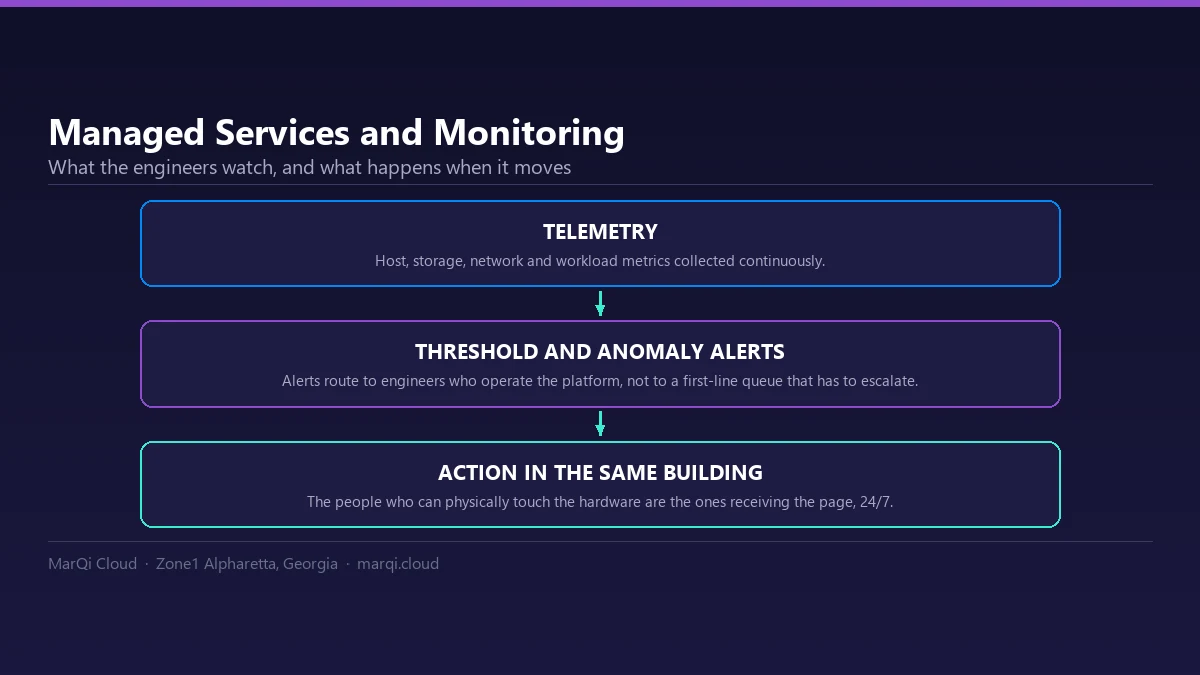
Monitoring is a vital aspect of hybrid cloud security, providing organizations with continuous oversight of their cloud environments.
4.1 Importance of Monitoring
Continuous monitoring helps organizations detect and respond to security incidents in real-time. Key benefits include:
- Threat Detection: Real-time monitoring identifies suspicious activities, allowing for quick response.
- Performance Optimization: Monitoring tools can provide insights into resource usage, helping organizations optimize performance.
- Compliance Tracking: Continuous monitoring assists in maintaining compliance with industry regulations.
4.2 Effective Monitoring Strategies
To implement effective monitoring in a hybrid cloud environment, organizations should:
- Utilize Security Information and Event Management (SIEM) systems to collect and analyze security data.
- Implement Intrusion Detection Systems (IDS) to identify potential threats.
- Regularly review logs and alerts for unusual activities.
Conclusion
In a hybrid cloud environment, security must be a top priority. By implementing a robust security stack comprising VPN, segmentation, IAM, and continuous monitoring, organizations can protect their data and ensure compliance. As hybrid cloud adoption continues to soar, investing in these security measures will be essential for maintaining a secure and resilient infrastructure. For more information on how MarQi Cloud can assist you in securing your hybrid cloud environment, contact us at +1 770-369-9321.
FAQ
1. What is a hybrid cloud environment?
A hybrid cloud environment combines both on-premises infrastructure and public and private cloud services, allowing organizations to leverage the benefits of both.
2. How does a VPN enhance security in a hybrid cloud?
A VPN encrypts data transmitted over the internet, providing secure remote access to cloud resources and protecting sensitive information from interception.
3. Why is network segmentation important?
Network segmentation limits lateral movement within a network, reducing the risk of widespread breaches and improving overall security posture.
4. What are the key components of IAM?
The key components of IAM include user authentication, user authorization, and identity governance.
5. How can continuous monitoring improve hybrid cloud security?
Continuous monitoring detects and responds to security incidents in real-time, providing insights into resource usage and helping maintain compliance.
6. What is micro-segmentation?
Micro-segmentation is a security technique that creates granular security policies to isolate workloads and minimize attack surfaces within a network.
7. How does IAM support compliance?
IAM solutions help maintain detailed access logs and enforce access controls, assisting organizations in meeting regulatory requirements.
8. What tools can be used for monitoring hybrid cloud environments?
Organizations can use Security Information and Event Management (SIEM) systems, Intrusion Detection Systems (IDS), and other monitoring tools to oversee their hybrid cloud environments.