MarQi Cloud vs. AWS: Which Is Actually Better for Small Businesses?
June 17, 2026
The Hidden Costs of AWS and Azure That MarQi Cloud Eliminates Completely
June 18, 2026
What Is Hybrid Cloud Storage and Why Your Business Needs It Right Now
In the ever-evolving landscape of technology, businesses are increasingly seeking solutions that not only enhance their operational efficiency but also secure their data and reduce costs. One such solution that has gained significant traction is hybrid cloud storage. In this article, we will explore what hybrid cloud storage is, its benefits, and why your business needs to adopt this model right now.
What is hybrid cloud storage?
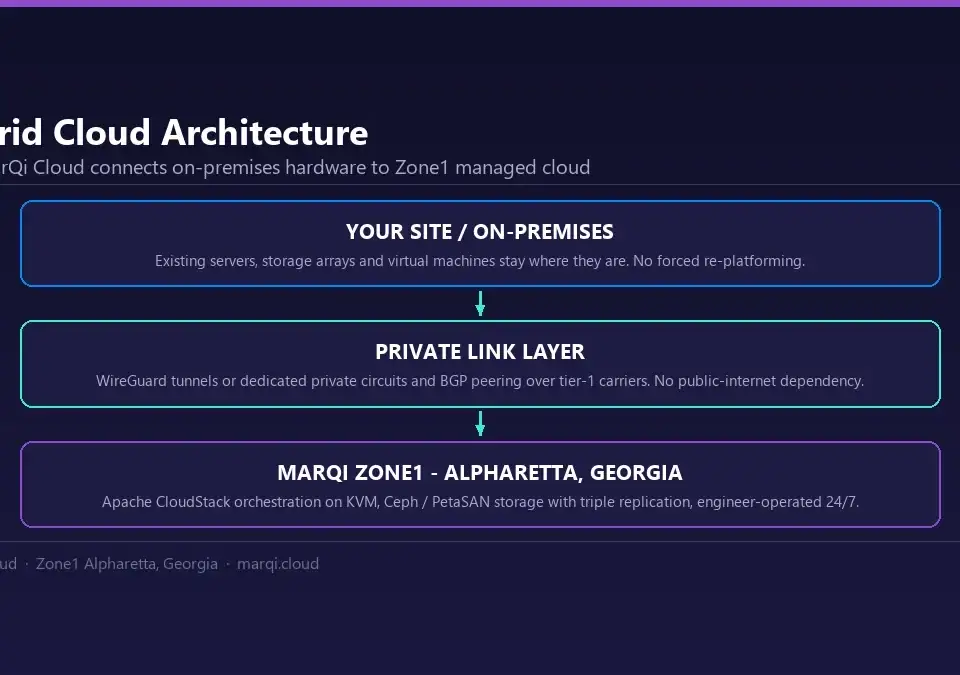
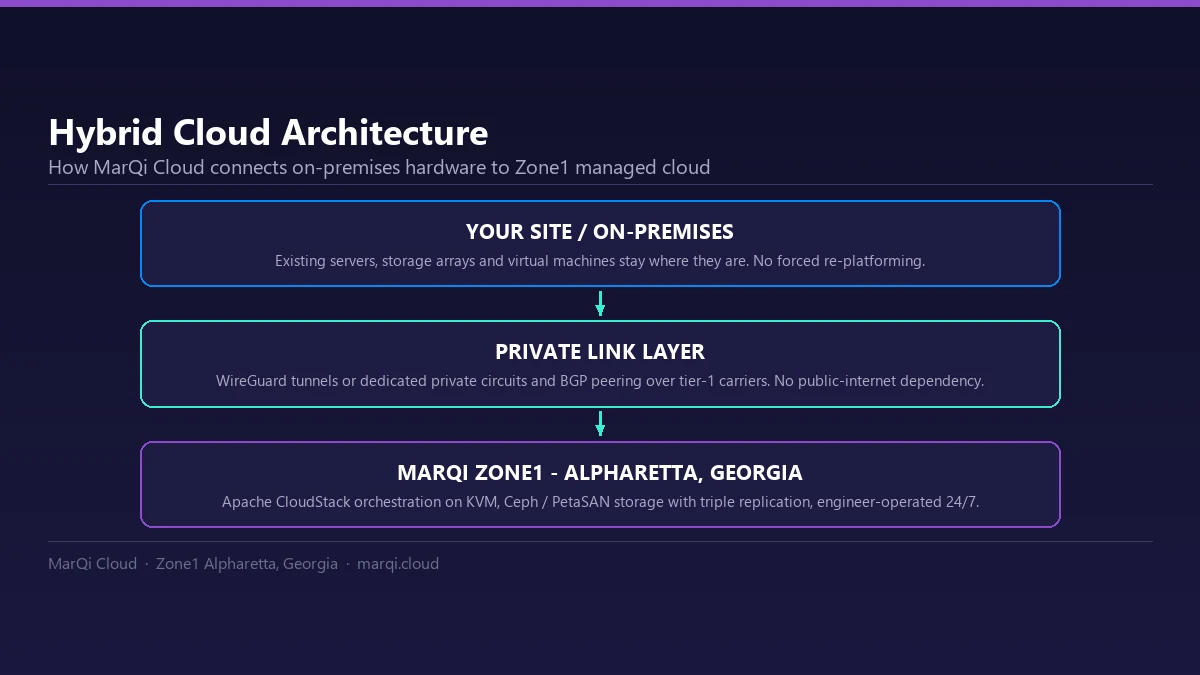
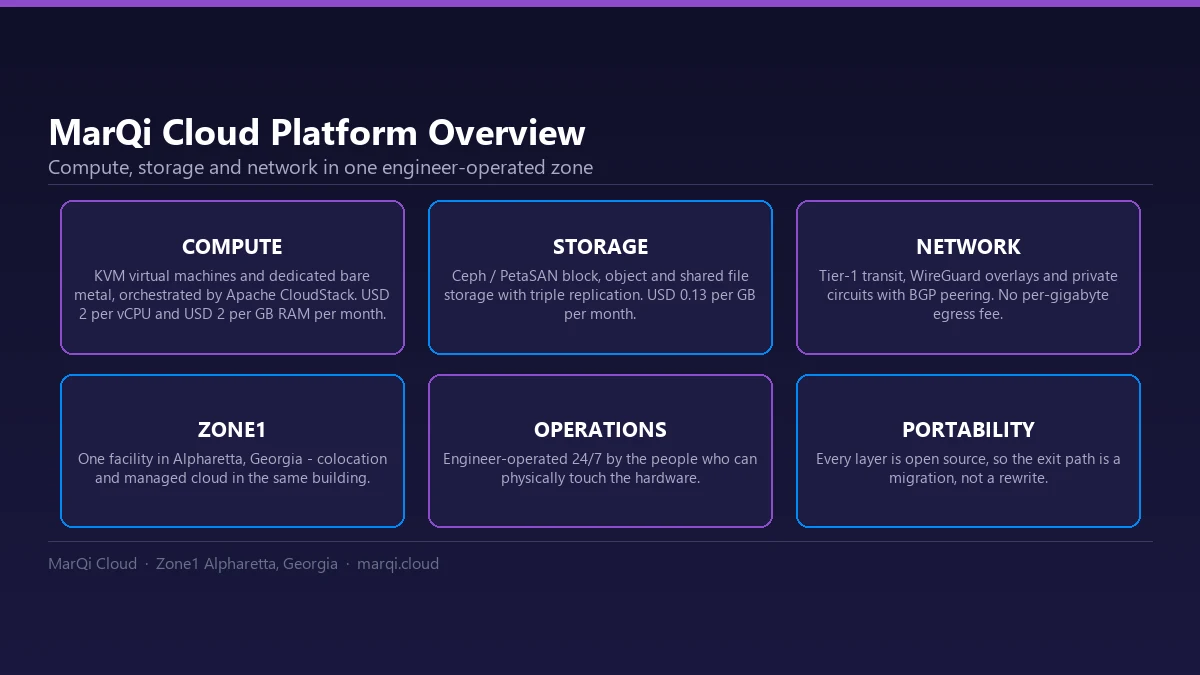
Hybrid cloud storage is a combination of on-premises infrastructure, private cloud services, and public cloud services. This model allows businesses to leverage the benefits of both private and public clouds, creating a flexible and scalable storage solution. By integrating these environments, organizations can optimize their data management practices, ensuring that they can access information when needed while keeping sensitive data secure. The storage side of that split has its own design decisions: how MarQi Cloud storage architecture is built.
The Components of Hybrid Cloud Storage
Hybrid cloud storage typically consists of three main components:
- On-Premises Infrastructure: This includes the physical hardware and storage solutions that organizations manage within their own facilities. It provides businesses with complete control over their data.
- Private Cloud: Private clouds are dedicated environments that offer enhanced security and control. These can be hosted on-premises or by a third-party provider, catering specifically to a single organization.
- Public Cloud: Public cloud services are offered by third-party providers and are accessible over the internet. They provide scalable storage solutions and can be a cost-effective way to manage non-sensitive data.
The Benefits of Hybrid Cloud Storage
1. Flexibility and Scalability
One of the most significant advantages of hybrid cloud storage is its flexibility. Businesses can choose where to store their data based on sensitivity, regulatory requirements, or cost considerations. This flexibility allows organizations to scale their storage needs up or down quickly, accommodating changing business demands.
2. Enhanced Security
Hybrid cloud storage provides an opportunity for businesses to keep sensitive data in a private cloud or on-premises while utilizing the public cloud for less critical information. This dual approach helps mitigate risks associated with data breaches and compliance violations, ensuring that your organization remains secure.
3. Cost-Effectiveness
By using a hybrid model, businesses can optimize their storage costs. They can take advantage of the lower costs associated with public cloud storage while maintaining critical data in a private environment. This balance of cost and security makes hybrid cloud storage an appealing option for many organizations.
4. Business Continuity and Disaster Recovery
In today’s digital landscape, organizations must prioritize business continuity and disaster recovery. Hybrid cloud storage offers robust solutions for data backup and recovery, ensuring that critical information is protected and accessible even in the event of a disaster. By utilizing both on-premises and cloud solutions, businesses can create comprehensive recovery plans that safeguard their operations.
5. Performance Optimization
With hybrid cloud storage, businesses can optimize their performance by placing frequently accessed data in high-speed storage solutions while keeping less frequently used data in lower-cost storage options. This performance-driven infrastructure design helps enhance efficiency and improve user experiences.
Why Your Business Needs Hybrid Cloud Storage Right Now
1. Increasing Data Volumes
As businesses continue to generate and store vast amounts of data, the need for scalable storage solutions becomes paramount. Hybrid cloud storage can help organizations manage their data volumes effectively, ensuring that they can accommodate growth without sacrificing performance.
2. Rising Cybersecurity Threats
With the increase in cyber threats, businesses must prioritize data security. Hybrid cloud storage allows organizations to keep sensitive data safe while leveraging the scalability of public cloud solutions. By adopting this model, businesses can bolster their cybersecurity efforts and protect against potential breaches.
3. Regulatory Compliance
Many industries are subject to strict regulations governing data storage and security. Hybrid cloud storage provides the flexibility needed to comply with these regulations, allowing businesses to keep sensitive information in secure environments while utilizing public cloud solutions for compliant data storage.
4. Remote Work Trends
The rise of remote work has changed how businesses operate. Hybrid cloud storage enables employees to access necessary data from anywhere, ensuring that productivity remains high regardless of location. This adaptability is crucial for businesses looking to thrive in the modern workforce.
5. Competitive Advantage
Organizations that adopt hybrid cloud storage can gain a competitive edge by improving their operational efficiency, enhancing security, and reducing costs. As businesses continue to innovate and evolve, those that invest in hybrid cloud solutions will be better positioned to succeed in their respective markets.
Implementing Hybrid Cloud Storage in Your Business
Transitioning to hybrid cloud storage may seem daunting, but with the right approach, your organization can reap the benefits of this powerful model. Here are some steps to consider when implementing hybrid cloud storage:
1. Assess Your Storage Needs
Start by evaluating your current storage requirements and identifying areas where hybrid cloud solutions could be beneficial. Consider factors such as data sensitivity, compliance requirements, and scalability needs.
2. Choose the Right Providers
Select reputable cloud service providers that align with your business goals. Look for providers that offer enterprise-grade cloud infrastructure, robust security measures, and flexible pricing models.
3. Develop a Data Management Strategy
Create a comprehensive data management strategy that outlines how your organization will handle data across its hybrid environment. This strategy should include guidelines for data classification, access control, and backup procedures.
4. Monitor and Optimize
Regularly monitor your hybrid cloud storage solution to identify areas for improvement. Optimize your infrastructure based on usage patterns and business needs to ensure maximum efficiency.
Conclusion
Hybrid cloud storage is no longer just an option; it’s a necessity for modern businesses looking to thrive in a competitive landscape. By embracing this storage model, organizations can enjoy enhanced flexibility, security, cost-effectiveness, and business continuity. As data volumes rise and cyber threats increase, the time to adopt hybrid cloud storage is now. Don’t wait—transform your business today with a robust hybrid cloud solution.
FAQs
1. What is hybrid cloud storage?
Hybrid cloud storage is a combination of on-premises infrastructure, private cloud services, and public cloud services, allowing businesses to optimize their data management practices.
2. What are the benefits of hybrid cloud storage?
Benefits include flexibility, enhanced security, cost-effectiveness, business continuity, and performance optimization.
3. How does hybrid cloud storage improve security?
Hybrid cloud storage allows businesses to keep sensitive data in secure environments while utilizing public cloud solutions for less critical information.
4. Can hybrid cloud storage help with regulatory compliance?
Yes, hybrid cloud storage provides the flexibility needed to comply with regulations by allowing organizations to store sensitive information securely.
5. How can hybrid cloud storage enhance business continuity?
Hybrid cloud storage offers robust solutions for data backup and recovery, ensuring critical information is protected and accessible in case of disasters.
6. Is hybrid cloud storage cost-effective?
Yes, by optimizing where data is stored, businesses can take advantage of lower costs associated with public cloud storage while maintaining critical data in private environments.
7. How can businesses implement hybrid cloud storage?
Businesses should assess their storage needs, choose the right providers, develop a data management strategy, and continuously monitor and optimize their hybrid cloud solutions.
8. Why is hybrid cloud storage important for remote work?
Hybrid cloud storage enables employees to access necessary data from anywhere, ensuring productivity remains high regardless of location.
9. What challenges might organizations face when adopting hybrid cloud storage?
Challenges may include integration complexities, data management issues, and ensuring security across different environments.
10. How can MarQi Cloud assist with hybrid cloud storage solutions?
MarQi Cloud offers enterprise-grade cloud infrastructure, hybrid cloud deployment models, and US-based infrastructure and support to help businesses transition to hybrid cloud storage effectively.