How Hybrid Cloud Enables Data Residency Compliance While Leveraging Scalability
July 25, 2026
The Complete Guide to Hybrid Cloud Networking with VPN and Direct Connect
July 25, 2026
Why Consistent Management Across Hybrid Cloud Environments Reduces Operational Complexity
In today’s dynamic business landscape, organizations are increasingly adopting hybrid cloud models to leverage the best of both public and private cloud infrastructures. However, as enterprises shift towards this complex architecture, they encounter significant operational challenges. This article delves into why consistent management across hybrid cloud environments is critical for reducing operational complexity and enhancing overall efficiency. By exploring the nuances of hybrid cloud management, we will provide actionable insights and strategies that organizations can implement to streamline their operations.
What is Hybrid Cloud?
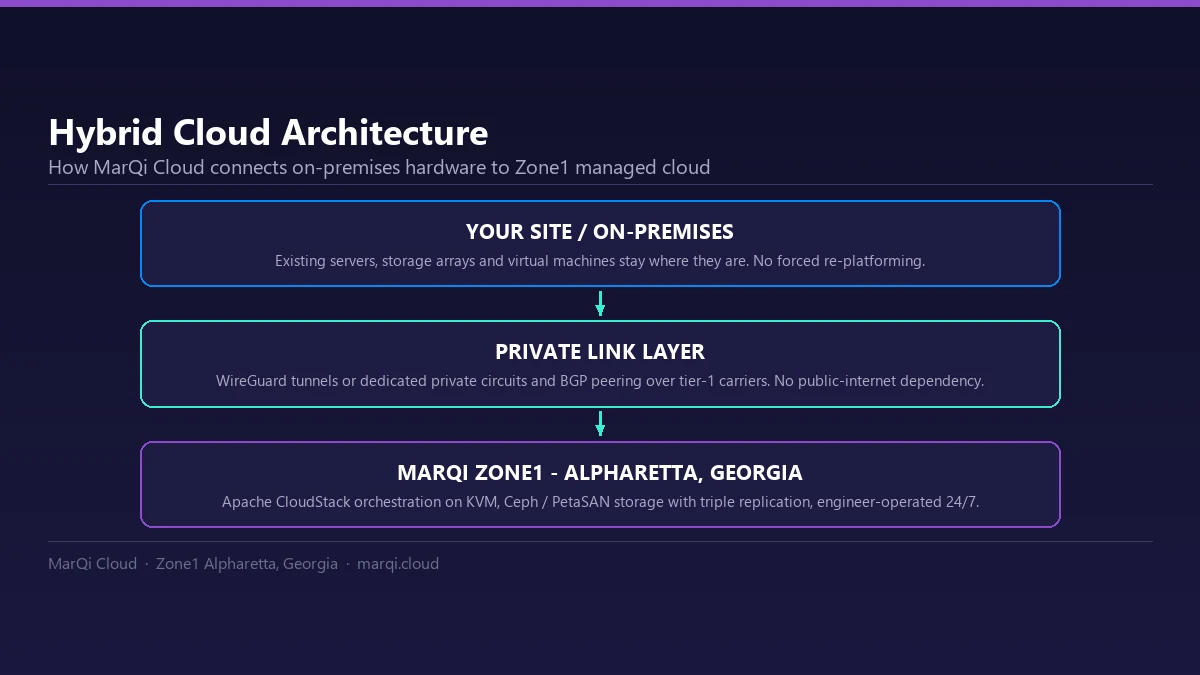
A hybrid cloud is an IT architecture that combines public cloud services, private cloud infrastructure, and on-premises resources to create a unified computing environment. This model allows organizations to maintain control over sensitive data while leveraging the scalability and cost-effectiveness of public cloud solutions. Global spending on public cloud services has kept growing year over year, highlighting the increasing reliance on hybrid cloud strategies.
Understanding Operational Complexity in Hybrid Cloud
While hybrid cloud environments offer numerous advantages, they also introduce operational complexities that can hinder organizational efficiency. These complexities often stem from:
- Multi-Cloud Management: Juggling multiple cloud providers can lead to inconsistent policies, security measures, and performance standards.
- Data Silos: Fragmented data storage across different environments can make it challenging to access and analyze information effectively.
- Compliance Challenges: Ensuring compliance with industry regulations across diverse environments can be resource-intensive and complex.
- Resource Allocation: Balancing workloads between public and private clouds requires advanced management tools to optimize resource utilization.
As organizations grapple with these challenges, the need for consistent management becomes paramount. Without it, operational inefficiencies can lead to increased costs and diminished performance.
The Importance of Consistent Management
Consistent management across hybrid cloud environments is essential for several reasons:
- Unified Governance: A consistent management framework ensures that governance policies, security protocols, and compliance measures are uniformly applied across all environments. This reduces the risk of data breaches and compliance violations.
- Streamlined Operations: By adopting a uniform approach to management, organizations can simplify workflows and reduce the complexity of managing different cloud environments. This leads to improved operational efficiency.
- Enhanced Visibility: Consistent management provides greater visibility into resource utilization, performance metrics, and potential issues, enabling proactive problem-solving.
- Improved Cost Management: By standardizing management practices, businesses can better track and manage costs across their hybrid cloud environments, avoiding unexpected expenses.
Strategies for Achieving Consistent Management
To effectively manage hybrid cloud environments, organizations must implement strategies that foster consistency. Here are some actionable steps:
1. Adopt a Centralized Management Platform
Utilizing a centralized management platform enables organizations to oversee all cloud resources from a single interface. This platform should support integration with both public and private cloud services, providing a holistic view of the entire hybrid environment.
2. Standardize Policies and Procedures
Establishing standardized policies and procedures for resource allocation, security, and compliance across all environments minimizes operational discrepancies. This standardization helps ensure that all teams are aligned with the organization’s objectives.
3. Implement Monitoring and Reporting Tools
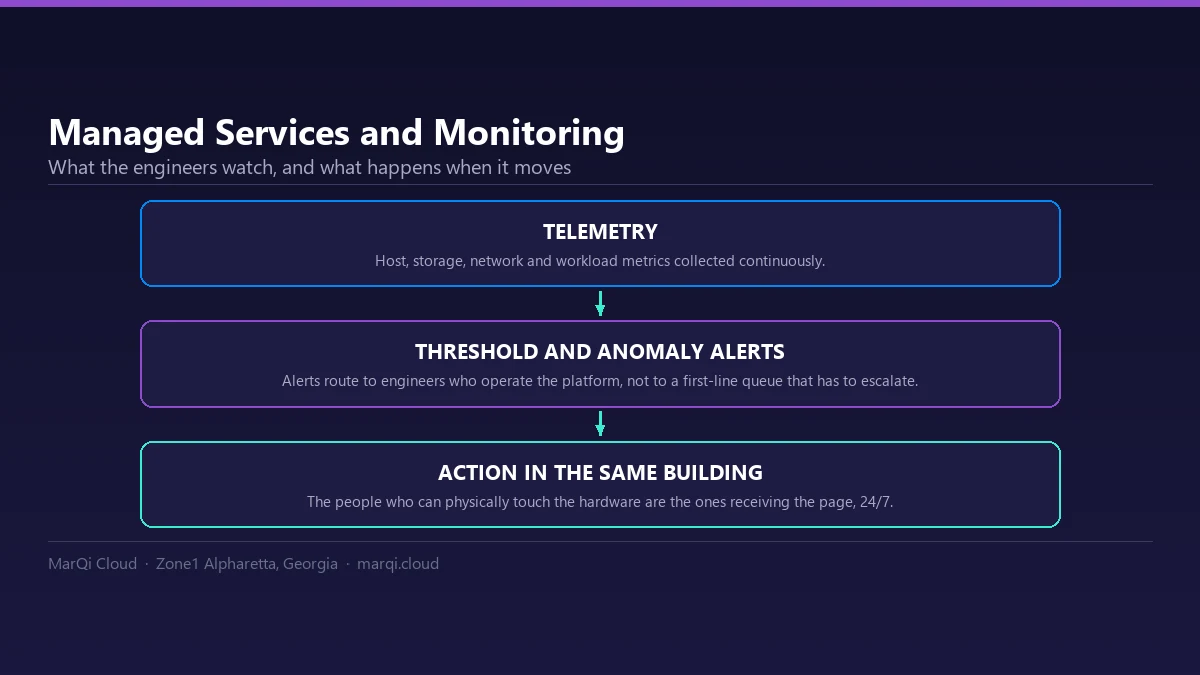
Invest in monitoring and reporting tools that provide real-time insights into performance metrics, utilization rates, and potential issues. These tools should enable organizations to quickly identify and address problems before they escalate.
4. Foster Collaboration Between Teams
Encouraging collaboration between IT teams managing different environments can lead to better communication and knowledge sharing. Regular meetings and shared documentation can help ensure that everyone is on the same page.
5. Continuous Training and Development
As hybrid cloud technologies evolve, ongoing training and development for IT staff are crucial. This ensures that teams are equipped with the latest knowledge and skills to manage hybrid environments effectively.
Benefits of Consistent Management
Implementing consistent management practices across hybrid cloud environments offers numerous benefits:
| Benefit | Description |
|---|---|
| Reduced Operational Costs | Streamlined management practices lower operational costs by minimizing resource wastage and optimizing usage. |
| Improved Security Posture | Consistent security protocols reduce vulnerabilities and enhance data protection across all cloud environments. |
| Faster Incident Response | With enhanced visibility and monitoring tools, organizations can respond to incidents quickly and effectively. |
| Better Compliance Management | Standardized compliance measures make it easier to meet regulatory requirements across all environments. |
| Enhanced User Experience | Improved operational efficiency translates to a better experience for end-users, resulting in higher satisfaction rates. |
Case Studies and Real-World Examples
To illustrate the importance of consistent management in hybrid cloud environments, consider the following case studies:
Case Study 1: Financial Services Firm
A major financial services firm transitioned to a hybrid cloud model to enhance its data processing capabilities. By implementing a centralized management platform, the firm achieved a 30% reduction in operational costs and improved compliance with industry regulations. The standardized policies allowed for seamless integration of on-premises and cloud resources, minimizing operational complexities.
Case Study 2: Healthcare Provider
A healthcare provider faced challenges in managing patient data across multiple cloud environments. By adopting consistent management practices, the provider streamlined its operations and improved data security. This led to a 25% decrease in data breaches and enhanced patient trust.
Frequently Asked Questions
What is hybrid cloud management?
Hybrid cloud management refers to the processes and tools used to oversee and optimize resources across both public and private cloud environments, ensuring consistent governance and performance.
Why is consistent management important in hybrid cloud environments?
Consistent management helps reduce operational complexity, improves security, streamlines workflows, and enhances visibility, leading to better overall performance.
How can organizations achieve consistent management?
Organizations can achieve consistent management by adopting centralized management platforms, standardizing policies, implementing monitoring tools, fostering collaboration, and providing continuous training.
What are the benefits of hybrid cloud environments?
Hybrid cloud environments offer benefits such as scalability, flexibility, cost-effectiveness, and improved resource utilization.
How does consistent management impact compliance?
Consistent management ensures that compliance measures are uniformly applied across all environments, reducing the risk of regulatory violations and enhancing overall governance.
What tools are recommended for hybrid cloud management?
Recommended tools include centralized management platforms, monitoring and reporting tools, and automation solutions that streamline management tasks.
What challenges do organizations face in hybrid cloud management?
Organizations face challenges such as data silos, multi-cloud management complexities, compliance issues, and resource allocation difficulties.
How can consistent management reduce operational costs?
By standardizing management practices, organizations can optimize resource usage, minimize waste, and lower operational costs associated with managing multiple environments.
Conclusion
In conclusion, consistent management across hybrid cloud environments is vital for reducing operational complexity and enhancing organizational efficiency. By adopting standardized practices and leveraging centralized management platforms, businesses can streamline their operations, improve security, and achieve better compliance. As the landscape of cloud technology continues to evolve, organizations must prioritize consistent management to remain competitive and agile in the marketplace.