The IT Director’s Ultimate Guide to Workload Placement in Hybrid Environments
July 25, 2026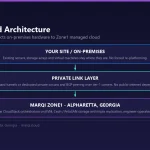
Why Consistent Management Across Hybrid Cloud Environments Reduces Operational Complexity
July 25, 2026
How Hybrid Cloud Enables Data Residency Compliance While Leveraging Scalability
In today’s digital landscape, businesses face the dual challenges of maintaining data residency compliance and leveraging the scalability of cloud solutions. Hybrid cloud environments have emerged as a powerful solution to address these challenges, providing the flexibility and control organizations need to meet regulatory requirements while tapping into the expansive capabilities of cloud computing. This article explores how hybrid cloud infrastructures facilitate data residency compliance and the advantages of scalability, particularly for enterprise-level organizations.
Introduction
The regulatory landscape surrounding data privacy and residency is becoming increasingly complex, with laws such as the General Data Protection Regulation (GDPR) in Europe and the California Consumer Privacy Act (CCPA) in the United States imposing strict guidelines on how organizations manage and store data. As businesses navigate these challenges, the need for robust cloud solutions that can ensure compliance while providing scalability has never been more critical.
Hybrid cloud architectures, which combine on-premises infrastructure with public and private cloud resources, offer a compelling solution. They allow organizations to store sensitive data in controlled environments while leveraging the vast resources of public cloud providers for other workloads. This article delves into how hybrid cloud enables data residency compliance while maximizing the benefits of cloud scalability.
Understanding Hybrid Cloud
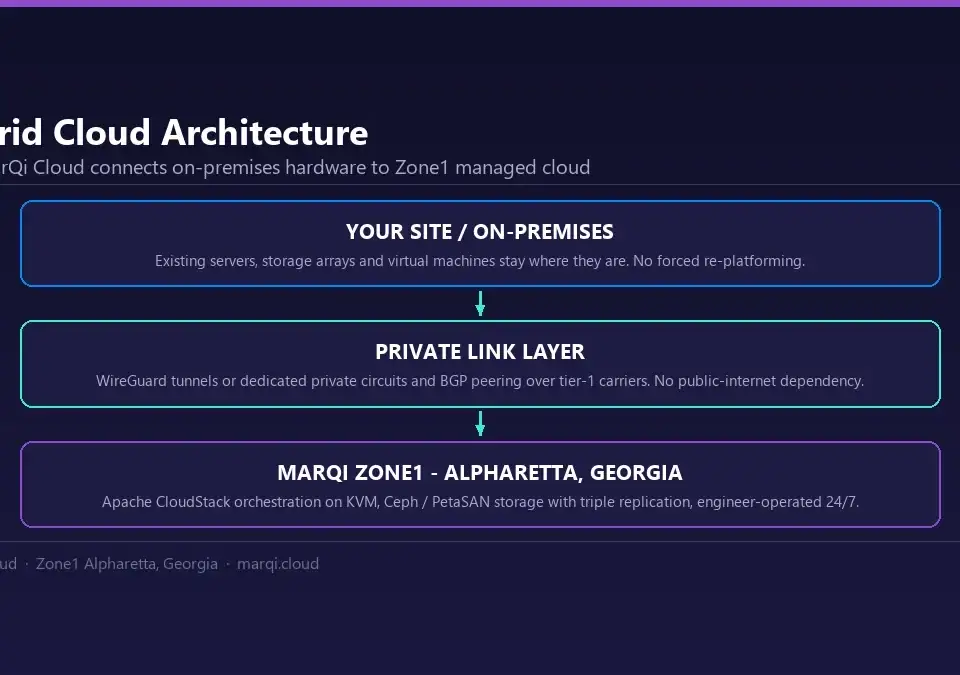
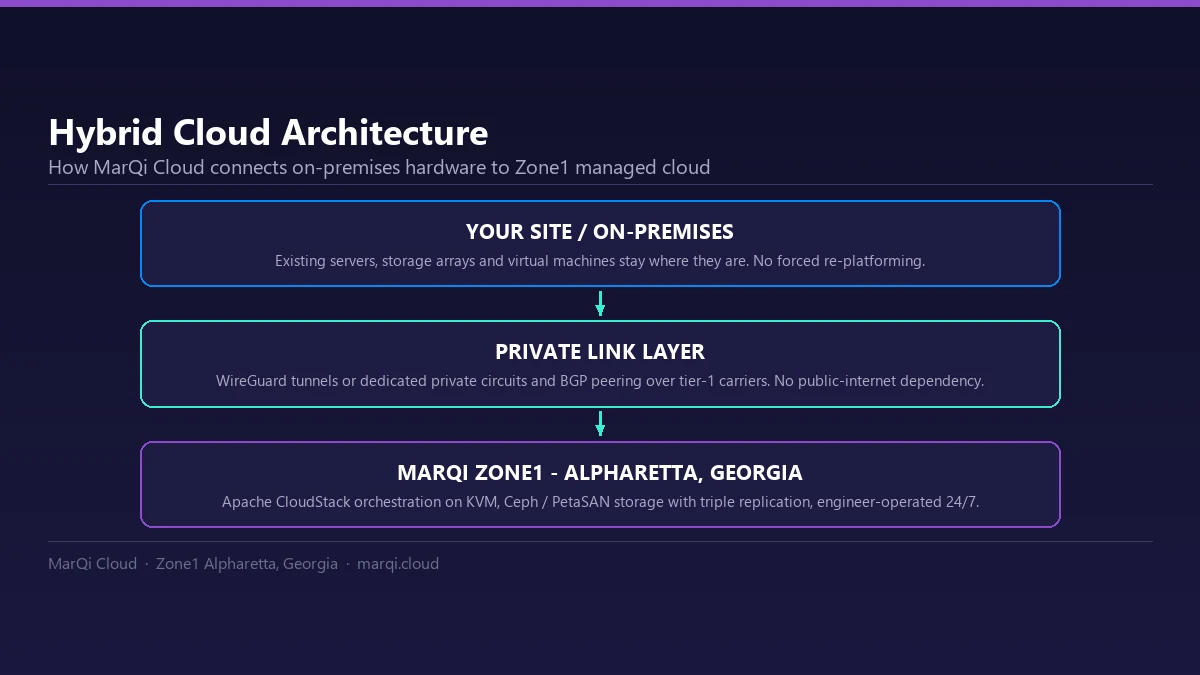
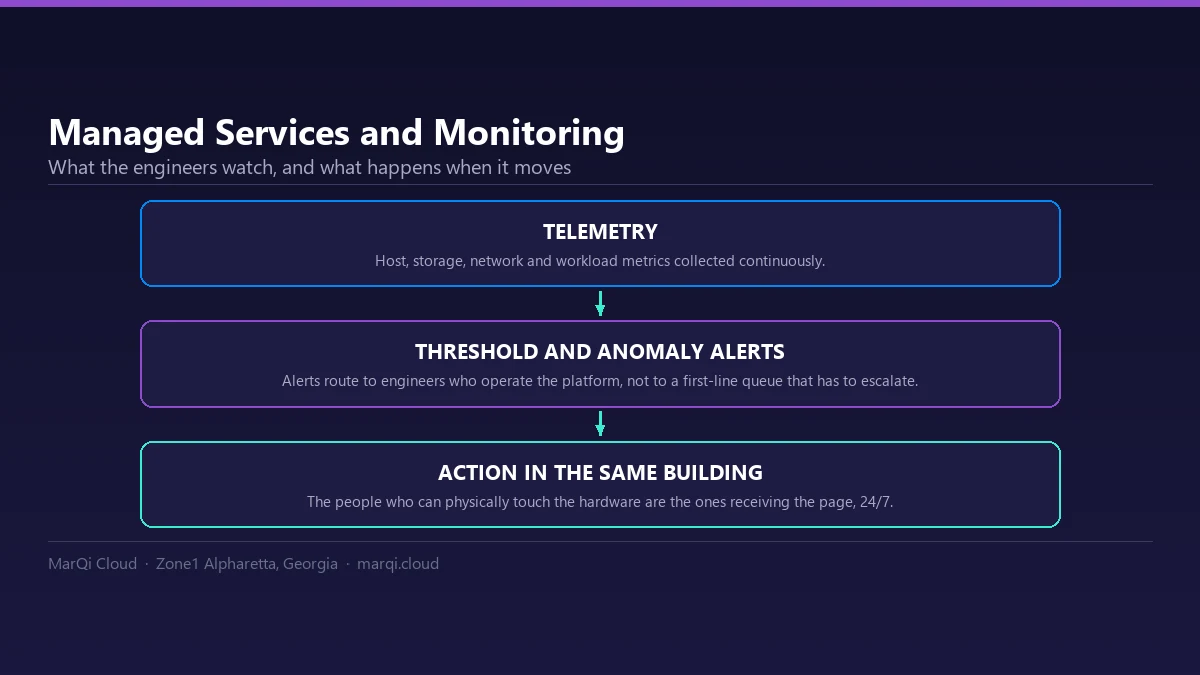
A hybrid cloud is an IT architecture that incorporates a mix of on-premises, private cloud, and public cloud services. This approach allows businesses to manage workloads across multiple environments, striking a balance between flexibility and security. Here are some key components of hybrid cloud:
- On-Premises Infrastructure: Organizations can retain sensitive data and critical applications on their local servers, ensuring they meet compliance requirements.
- Private Cloud: A private cloud provides a secure environment for sensitive workloads, offering enhanced control over data residency.
- Public Cloud: Public cloud services allow businesses to scale computing resources and storage as needed, without the overhead of maintaining physical infrastructure.
By integrating these components, organizations can enjoy the best of both worlds—security and compliance alongside the scalability and flexibility provided by cloud solutions.
What is Data Residency Compliance?
Data residency compliance refers to the legal and regulatory requirements governing where data must be stored and processed. Different jurisdictions have varying laws regarding data residency. For instance:
- The GDPR mandates that personal data of EU citizens must be stored within the European Union or in jurisdictions deemed adequate by the EU.
- The CCPA requires California residents to be informed about the collection and use of their personal data, including where it is stored.
Failure to comply with these regulations can result in significant fines and damage to an organization’s reputation. As such, businesses must adopt strategies that ensure they can meet these compliance requirements effectively.
Benefits of Hybrid Cloud for Compliance
Implementing a hybrid cloud strategy provides several benefits for ensuring data residency compliance:
1. Enhanced Control Over Data
With hybrid cloud solutions, organizations can choose to keep sensitive data on-premises or in a private cloud, ensuring they comply with local regulations. This control minimizes the risk of unauthorized access and data breaches.
2. Flexibility and Scalability
Hybrid cloud environments allow organizations to scale their resources dynamically. When demand increases, businesses can leverage public cloud resources without compromising compliance. This flexibility helps organizations manage costs effectively while meeting compliance requirements.
3. Improved Disaster Recovery
Hybrid cloud solutions enable organizations to implement robust disaster recovery strategies. By storing data in multiple locations, including private clouds and public clouds, businesses can ensure data availability even in the event of a local outage or disaster.
4. Simplified Compliance Audits
Many hybrid cloud providers offer built-in compliance features and reporting tools. This simplifies the audit process, allowing organizations to demonstrate compliance with various regulations more easily.
5. Customizable Security Protocols
Organizations can tailor their security protocols depending on the sensitivity of the data. For instance, critical data can be encrypted and stored in a private cloud, while less sensitive data can reside in a public cloud.
Leveraging Scalability in Hybrid Cloud
One of the most significant advantages of hybrid cloud architectures is their scalability. As businesses grow, their IT infrastructure must adapt to increased workloads. Here’s how hybrid cloud enables scalability:
1. On-Demand Resources
Hybrid cloud solutions allow organizations to access additional resources on-demand. When traffic spikes or new projects arise, businesses can quickly provision resources in the public cloud without the delays associated with hardware procurement.
2. Cost Efficiency
By utilizing a pay-as-you-go model for public cloud resources, organizations can manage their IT budgets more effectively. This model allows businesses to only pay for what they use, avoiding the costs associated with maintaining excess capacity.
3. Streamlined Development Processes
Development teams can leverage hybrid cloud environments to build and test applications quickly. By utilizing public cloud resources for development and staging, organizations can accelerate their time to market.
4. Geographic Redundancy
Hybrid cloud environments can be designed with geographic redundancy, ensuring that data is replicated across multiple locations. This approach not only enhances data availability but also meets data residency requirements by keeping data within specified jurisdictions.
| Feature | Hybrid Cloud | Traditional IT |
|---|---|---|
| Scalability | High – On-demand resources available | Limited – Requires physical upgrades |
| Control | Customizable security and compliance | Less flexible |
| Cost Efficiency | Pay-as-you-go pricing model | High upfront costs |
| Disaster Recovery | Robust and geographically redundant | Vulnerable to local disasters |
Implementing Hybrid Cloud Strategies
To successfully implement a hybrid cloud strategy, organizations should consider the following steps:
1. Assess Your Current Infrastructure
Evaluate your existing IT infrastructure to identify which workloads are best suited for the hybrid cloud. Consider factors such as data sensitivity, compliance requirements, and performance needs.
2. Choose the Right Cloud Providers
Select cloud providers that align with your compliance requirements and offer the necessary features to support your hybrid cloud strategy. Look for providers with strong security measures and compliance certifications.
3. Design Your Architecture
Develop a hybrid cloud architecture that integrates on-premises and cloud resources seamlessly. Ensure that data flows securely between environments, and implement security protocols that meet regulatory requirements.
4. Train Your Team
Ensure that your IT team is trained on hybrid cloud best practices and compliance requirements. Ongoing education is essential to stay current with evolving regulations and technology.
5. Monitor and Optimize
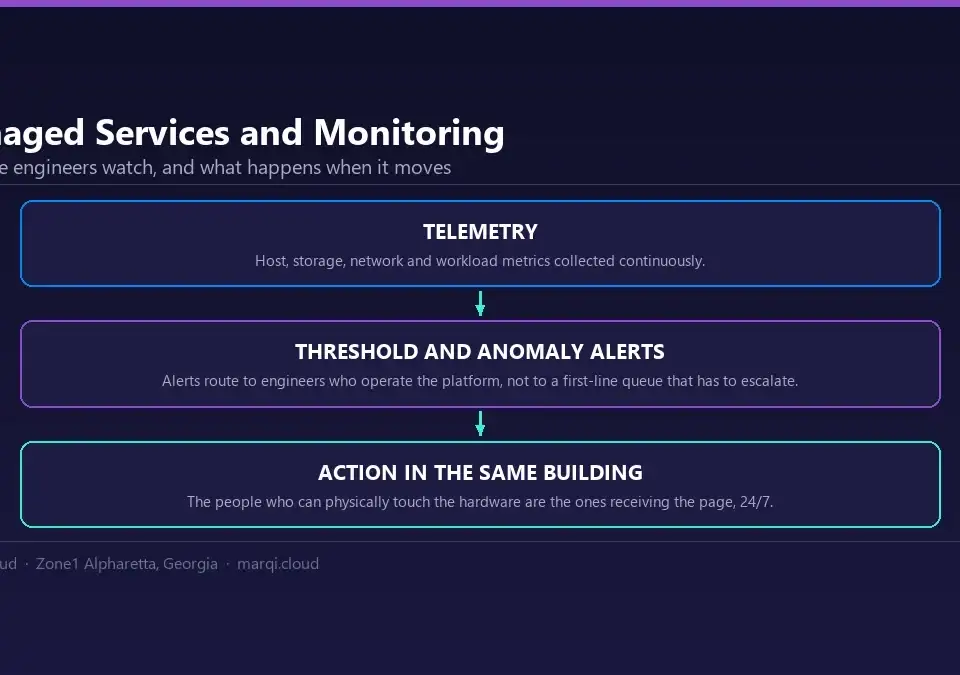
Regularly monitor your hybrid cloud environment to ensure compliance and performance. Use analytics tools to gain insights into resource utilization and make necessary adjustments to optimize costs and efficiency.
Case Studies: Successful Hybrid Cloud Implementations
Numerous organizations have successfully implemented hybrid cloud solutions to enhance their compliance posture while benefiting from scalability. Here are a few examples:
1. Financial Services Firm
A leading financial services firm adopted a hybrid cloud strategy to comply with stringent regulations regarding customer data. By storing sensitive customer information in a private cloud and utilizing public cloud resources for less sensitive applications, the firm improved its compliance and reduced costs by 30%.
2. Healthcare Provider
A healthcare provider utilized a hybrid cloud to maintain compliance with HIPAA regulations while scaling its services. By using a private cloud for patient records and a public cloud for analytics, the organization improved patient care while ensuring data security.
3. E-commerce Company
An e-commerce company leveraged hybrid cloud to scale its infrastructure during peak shopping seasons. By utilizing public cloud resources for traffic spikes while keeping customer data secure in a private cloud, the company enhanced its performance and compliance.
Frequently Asked Questions
1. What is hybrid cloud?
A hybrid cloud is an IT environment that combines on-premises infrastructure with public and private cloud services, allowing organizations to manage workloads across multiple environments.
2. How does hybrid cloud help with data residency compliance?
Hybrid cloud allows organizations to keep sensitive data on-premises or in a private cloud, ensuring compliance with local regulations while leveraging public cloud resources for other workloads.
3. What are the benefits of hybrid cloud for businesses?
Benefits include enhanced control over data, scalability, improved disaster recovery, simplified compliance audits, and customizable security protocols.
4. What industries benefit most from hybrid cloud?
Industries such as finance, healthcare, and e-commerce benefit significantly from hybrid cloud due to strict compliance requirements and the need for scalability.
5. How do I choose a hybrid cloud provider?
Choose a provider that meets your compliance needs, offers robust security features, and provides the flexibility to integrate with your existing infrastructure.
6. What are the risks of hybrid cloud?
Risks include data breaches, compliance failures, and potential complexity in managing multiple environments. However, these can be mitigated with proper planning and security measures.
7. Can hybrid cloud reduce costs?
Yes, hybrid cloud can reduce costs by utilizing a pay-as-you-go model for public cloud resources, allowing businesses to avoid the costs associated with maintaining excess capacity.
8. How can I ensure my hybrid cloud is compliant?
Regularly monitor your hybrid cloud environment, implement security protocols, and ensure that your team is trained on compliance requirements and best practices.
Conclusion
In conclusion, hybrid cloud solutions provide a robust framework for organizations to achieve data residency compliance while leveraging the scalability of cloud computing. By combining on-premises infrastructure with public and private cloud services, businesses can enhance their compliance posture, improve operational efficiency, and respond dynamically to changing demands. As organizations continue to navigate the complexities of data residency and compliance, embracing a hybrid cloud strategy will be essential for success in the modern digital landscape.