How to Connect On-Premise Data Centers to Cloud Infrastructure Securely
July 24, 2026
How Hybrid Cloud Enables Data Residency Compliance While Leveraging Scalability
July 25, 2026
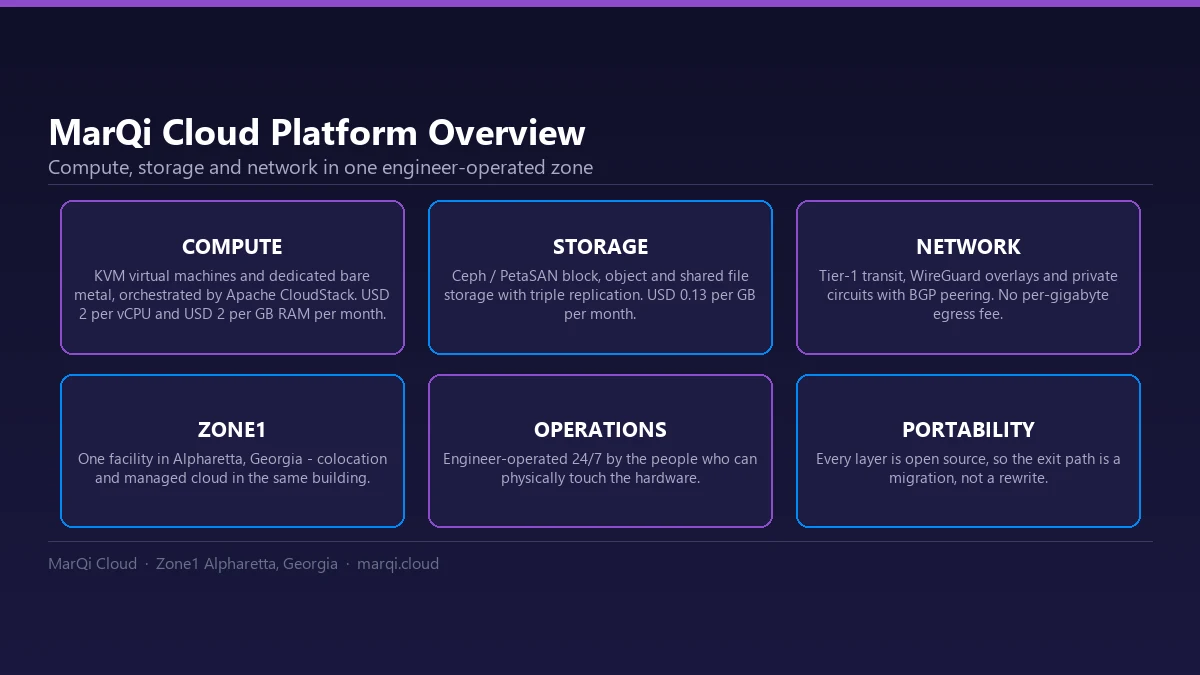
The IT Director’s Ultimate Guide to Workload Placement in Hybrid Environments
As organizations increasingly adopt hybrid environments to balance on-premises and cloud-based services, IT directors face a critical challenge: making informed workload placement decisions. These decisions are pivotal for optimizing performance, ensuring compliance, and managing costs effectively. In this comprehensive guide, we will explore the key factors influencing workload placement, provide actionable insights, and discuss the best practices for managing hybrid cloud solutions. By the end, you will have a clear understanding of how to strategically position workloads in a hybrid environment to maximize efficiency and drive business success.
Understanding Hybrid Environments
Hybrid environments combine on-premises infrastructure with cloud services, allowing organizations to leverage the benefits of both worlds. This configuration enables flexibility, scalability, and cost-effectiveness, making it an attractive choice for modern businesses. Hybrid cloud deployments have become common across organizations of every size. This statistic highlights the growing trend and necessity for IT directors to understand the nuances of workload placement.
In a hybrid environment, workloads can be categorized into three main types:
- Stateless Workloads: These workloads do not retain state information between requests, making them highly scalable. Examples include web servers and microservices.
- Stateful Workloads: These workloads maintain state information, which can complicate placement decisions. Examples include databases and applications requiring persistent storage.
- Batch Workloads: These workloads process large volumes of data in batches. They can often be scheduled during off-peak hours to optimize resource use.
Key Factors in Workload Placement
When deciding where to place workloads in a hybrid environment, IT directors must consider several critical factors:
1. Performance Requirements
Performance is paramount in workload placement decisions. Factors such as latency, throughput, and response time influence where workloads should reside. For instance, latency-sensitive applications, such as real-time analytics, may need to be deployed closer to users or data sources to minimize delays. Conversely, less performance-sensitive workloads can be hosted in cost-effective public cloud environments.
2. Compliance and Security
Compliance with industry regulations (e.g., HIPAA for healthcare, PCI DSS for payment processing) is crucial in workload placement. Sensitive data often requires stricter controls, which may necessitate on-premises hosting. Understanding the compliance requirements of your industry can guide decisions on whether to keep workloads in-house or move them to the cloud.
3. Cost Management
Cost is always a consideration in workload placement. IT directors need to evaluate the total cost of ownership (TCO) for each workload, including infrastructure, management, and operational costs. By leveraging tools like MarQi Cloud’s flexible pricing models, organizations can optimize their cloud spending while ensuring that workloads are placed optimally.
4. Scalability Needs
Scalability is a significant advantage of hybrid cloud environments. Workloads that experience variable demand may benefit from cloud resources that can scale up or down as needed. For example, e-commerce platforms may require additional compute resources during peak shopping seasons, making cloud deployment a more attractive option.
5. Disaster Recovery and Business Continuity
Organizations must consider how workload placement impacts disaster recovery (DR) and business continuity strategies. A robust DR plan should leverage the strengths of both on-premises and cloud resources, ensuring that critical workloads can be quickly restored in the event of a failure. MarQi Cloud offers comprehensive disaster recovery solutions that can help organizations protect their data and applications effectively.
Best Practices for Workload Placement
To make informed workload placement decisions, IT directors should follow these best practices:
1. Conduct a Workload Assessment
Begin by conducting a thorough assessment of each workload to understand its requirements, dependencies, and potential risks. This assessment will help you categorize workloads appropriately and determine the best placement strategy. Utilize tools and frameworks that can automate this process, providing insights into workload performance and resource utilization.
2. Leverage Automation and Orchestration
Automation tools can streamline workload placement and management in hybrid environments. By using orchestration platforms, IT teams can automate deployment, scaling, and monitoring, ensuring that workloads are placed optimally based on real-time data. Consider utilizing MarQi Cloud’s documentation for guidance on automation best practices.
3. Implement a Multi-Cloud Strategy
Having a multi-cloud strategy can enhance flexibility and optimize workload placement. By leveraging multiple cloud providers, organizations can choose the best platform for each workload, balancing performance, cost, and compliance. Ensure that your team has the necessary skills and tools to manage a multi-cloud environment effectively.
4. Monitor and Optimize Continuously
Regular monitoring of workload performance and resource utilization is essential. Utilize analytics tools to track workloads in real-time and make adjustments as needed. Continuous optimization ensures that workloads remain in their most suitable environment, adapting to changing demands and business needs.
5. Foster Collaboration Between Teams
Workload placement decisions often require input from various stakeholders, including development, operations, and security teams. Encourage collaboration to ensure that all perspectives are considered, leading to more informed decisions. Establish clear communication channels and regular check-ins to facilitate this collaboration.
Case Studies and Examples
To illustrate the impact of effective workload placement, here are two case studies:
1. E-Commerce Company
An e-commerce company faced challenges during peak shopping seasons, leading to slow page load times and lost sales. By migrating their web servers to a hybrid cloud solution, they could scale resources dynamically based on traffic demands. This strategic placement resulted in improved performance, a 30% increase in conversion rates, and significant cost savings during off-peak periods.
2. Healthcare Provider
A healthcare provider needed to ensure compliance with HIPAA regulations while maintaining high availability for their patient management system. They opted to keep sensitive patient data on-premises while hosting less sensitive workloads in the public cloud. This hybrid approach allowed them to meet compliance requirements while benefiting from the scalability and cost-effectiveness of cloud services.
Frequently Asked Questions
What is workload placement in hybrid environments?
Workload placement refers to the decision-making process regarding where to host applications and data, balancing on-premises and cloud resources.
Why is workload placement important?
Proper workload placement ensures optimal performance, cost efficiency, compliance with regulations, and disaster recovery capabilities.
How can I assess my workloads for placement decisions?
Conduct a workload assessment focusing on performance requirements, compliance needs, scalability, and cost management to determine the best placement strategy.
What tools can help with workload placement decisions?
Utilize automation and orchestration tools, as well as analytics platforms, to monitor workloads and optimize placement dynamically.
What are the benefits of a multi-cloud strategy?
A multi-cloud strategy enhances flexibility, allowing organizations to choose the best cloud provider for each workload based on performance, cost, and compliance needs.
How can I ensure compliance with regulations in a hybrid environment?
Understand the compliance requirements specific to your industry and ensure that sensitive workloads are placed in accordance with those regulations.
What role does disaster recovery play in workload placement?
Disaster recovery is critical in workload placement, as it determines how quickly and effectively workloads can be restored in the event of a failure.
How can I continuously optimize workload placement?
Regularly monitor workload performance, utilize analytics tools for insights, and adjust placements based on changing demands and business needs.
Conclusion
Workload placement decisions in hybrid environments are complex yet crucial for IT directors aiming to optimize performance, ensure compliance, and manage costs. By understanding the key factors influencing these decisions and following best practices, organizations can effectively leverage hybrid cloud solutions. Continuous assessment, collaboration, and the use of advanced tools are essential for maintaining an efficient and responsive hybrid environment. As you navigate your workload placement strategy, consider partnering with a trusted enterprise cloud provider like MarQi Cloud to enhance your infrastructure capabilities and drive business success.