Why Hybrid Cloud Is a Permanent Architecture Choice for Modern Businesses
July 24, 2026
The IT Director’s Ultimate Guide to Workload Placement in Hybrid Environments
July 25, 2026
How to Connect On-Premise Data Centers to Cloud Infrastructure Securely
In today’s rapidly evolving digital landscape, organizations are increasingly leveraging cloud solutions to enhance their operational efficiency and scalability. However, securely connecting on-premise data centers to cloud infrastructure presents unique challenges that require meticulous planning and execution. This article will guide you through the best practices and strategies for establishing a secure connection between your on-premise data centers and cloud infrastructure, ensuring data integrity and compliance with industry standards.
Understanding the Need for Secure Connections
As organizations transition to hybrid cloud models, the need for secure connections between on-premise data centers and cloud infrastructure becomes paramount. A hybrid cloud approach allows businesses to leverage the flexibility of cloud resources while maintaining control over sensitive data hosted on-premises. Hybrid cloud use has spread across most organizations, highlighting the increasing adoption of this infrastructure model.
However, this integration poses several risks, including data breaches, compliance violations, and unauthorized access. Therefore, understanding how to connect on-premise data centers to cloud infrastructure securely is critical for maintaining data integrity and ensuring compliance with industry regulations.
Key Considerations for Secure Connections
Before diving into the methodologies for connecting on-premise data centers to cloud infrastructure, it is essential to consider several factors:
- Data Sensitivity: Evaluate the sensitivity of the data being transferred. Sensitive information, such as personally identifiable information (PII) or financial data, requires enhanced security measures.
- Compliance Requirements: Understand the compliance frameworks applicable to your industry, such as HIPAA for healthcare or GDPR for organizations processing EU citizens’ data. These regulations dictate specific security practices for data handling.
- Network Architecture: Assess your current network architecture to identify potential vulnerabilities and ensure compatibility with cloud solutions.
- Scalability: Consider future growth and the ability to scale your cloud infrastructure seamlessly as your business evolves.
- Cost Management: Evaluate the costs associated with data transfer, including egress fees that may apply when moving data out of cloud providers.
Methods for Securely Connecting Data Centers to the Cloud
There are several methods to establish secure connections between on-premise data centers and cloud infrastructure:
1. Virtual Private Network (VPN)
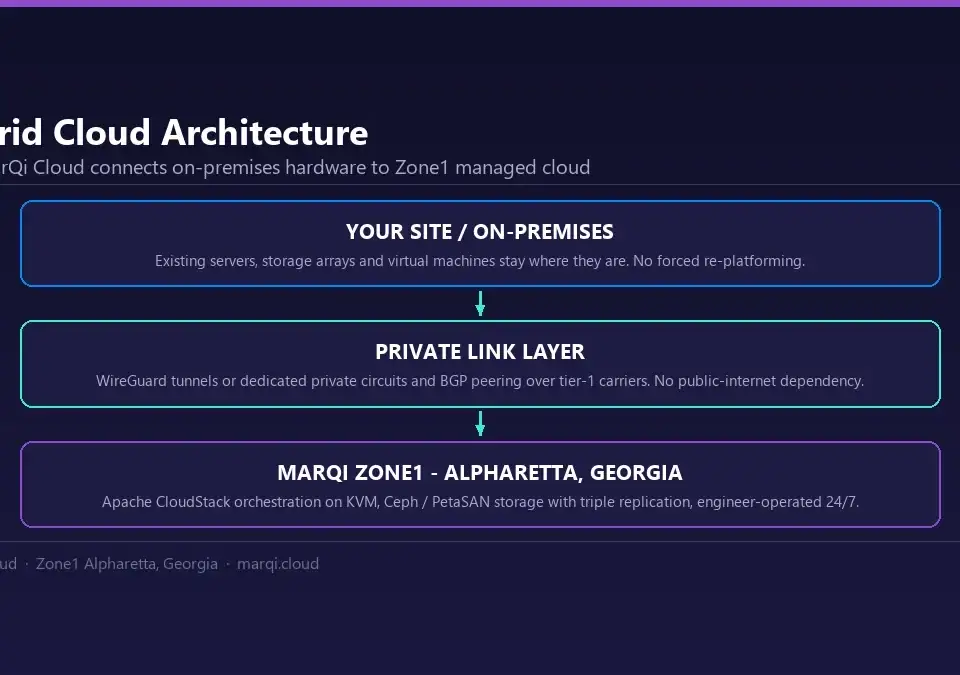
A VPN creates a secure tunnel between your on-premise data center and the cloud provider, encrypting data in transit. While VPNs are cost-effective and relatively easy to set up, they may present performance limitations, particularly for high-volume data transfers.
2. Direct Connect Services
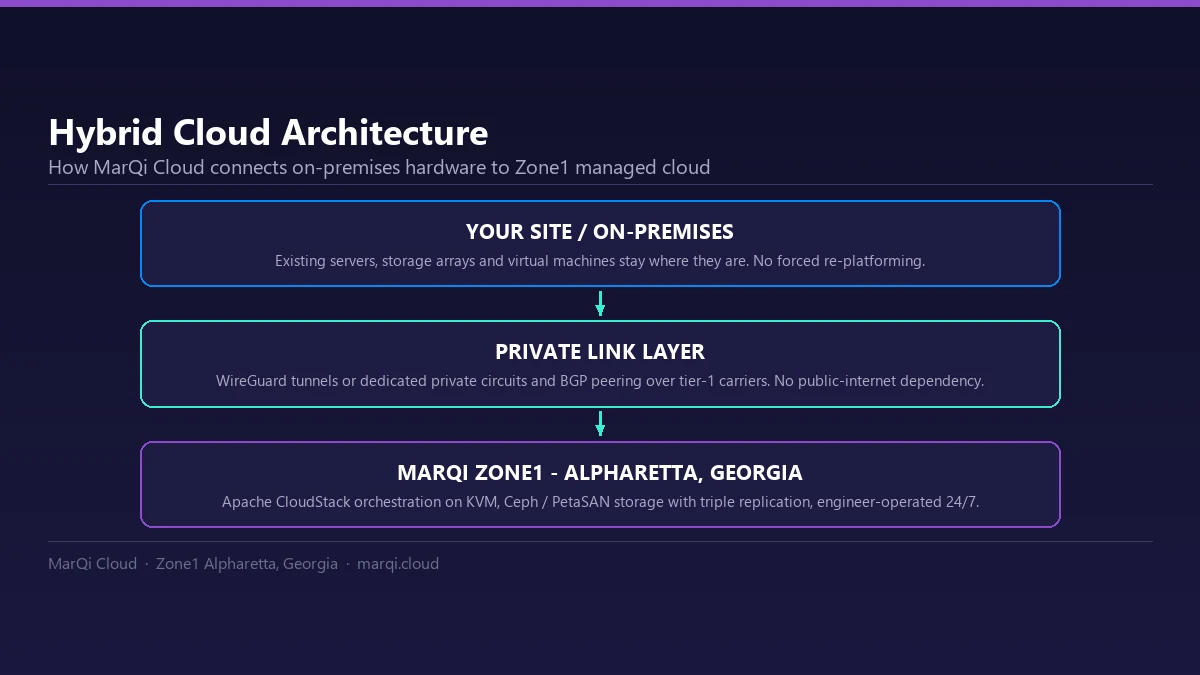
Many cloud providers offer direct connect services, which provide a dedicated, private connection from your on-premise data center to the cloud. For example, MarQi Cloud’s dedicated connections enable businesses to bypass the public internet, enhancing security and performance while reducing latency.
3. Secure Tunneling Protocols
Utilizing secure tunneling protocols like SSH (Secure Shell) or SSL/TLS (Secure Sockets Layer/Transport Layer Security) can help create encrypted connections for data transfer, ensuring that data remains protected during transit.
4. Hybrid Cloud Gateways
Hybrid cloud gateways act as intermediaries between on-premise data centers and cloud environments, facilitating secure data transfer and management. These gateways can also provide additional security features, such as data encryption and access control.
5. Data Replication Services
Data replication services enable organizations to create secure copies of their on-premise data in the cloud, ensuring data redundancy and availability. This method also supports disaster recovery strategies, as cloud-stored data can be quickly restored in case of an on-premise failure.
Implementing a Hybrid Cloud Strategy
Establishing a hybrid cloud strategy is essential for organizations looking to connect on-premise data centers to cloud infrastructure securely. Here are key steps to consider:
- Assess Your Current Infrastructure: Conduct a thorough assessment of your existing infrastructure, including hardware, software, and network capabilities.
- Define Your Objectives: Clearly outline your goals for connecting to the cloud, such as improved scalability, cost savings, or enhanced data security.
- Select the Right Cloud Provider: Choose a cloud provider that aligns with your business needs and offers robust security features. Evaluate their compliance certifications and data protection policies.
- Design a Secure Architecture: Create a network architecture that incorporates secure connection methods, such as VPNs or direct connect services, and implements best practices for access control and data encryption.
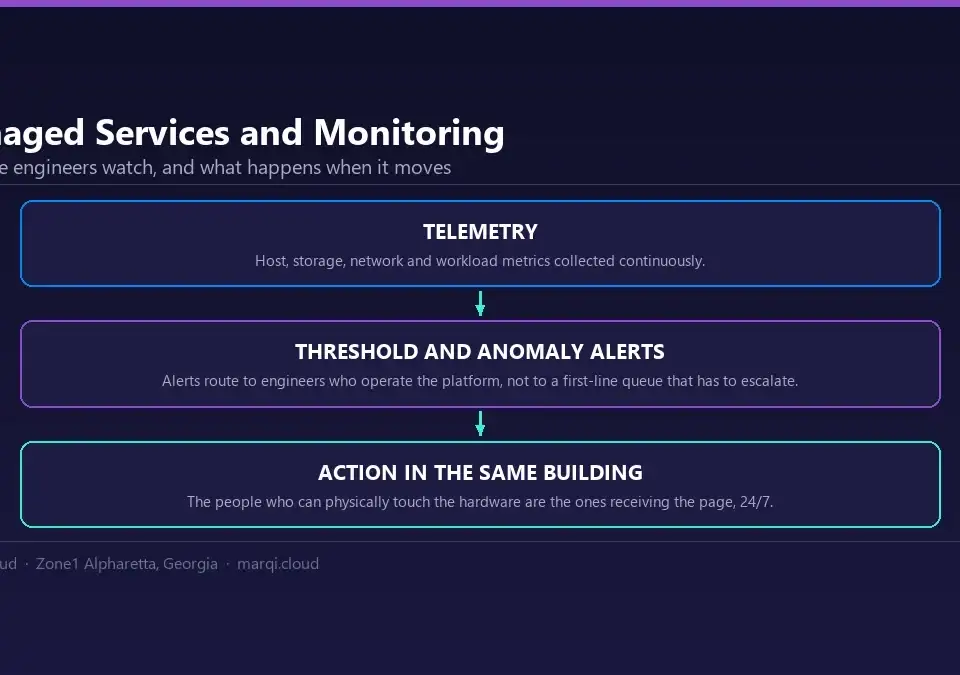
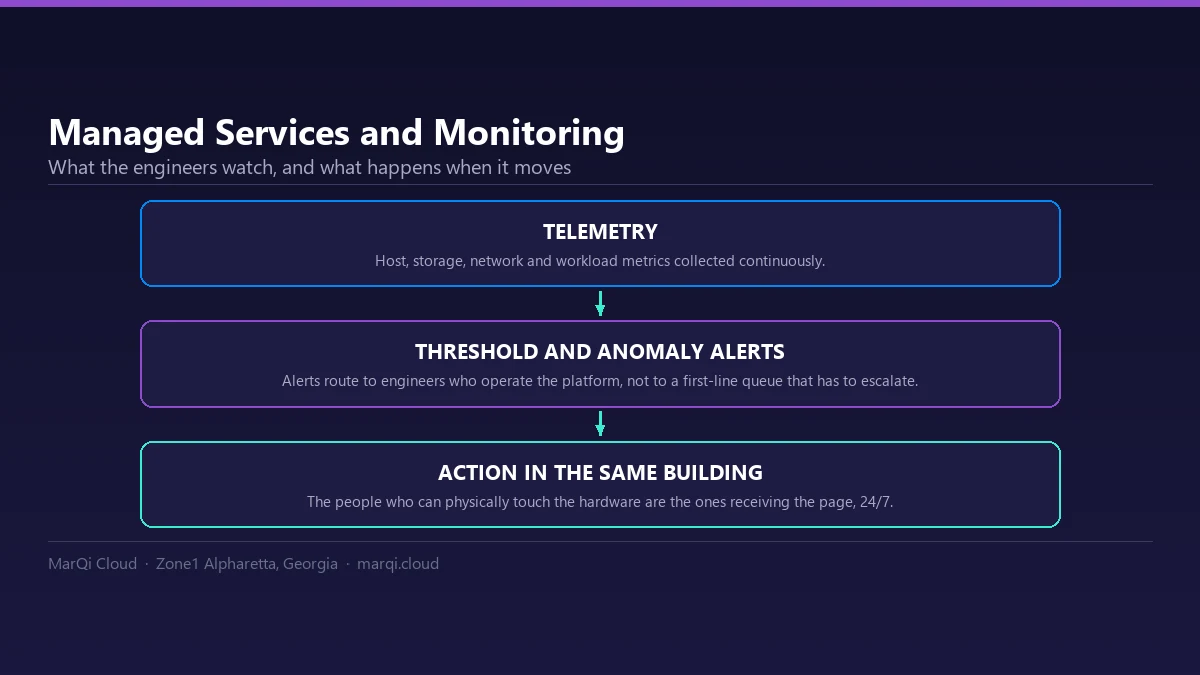
- Implement Monitoring and Management: Utilize monitoring tools to track the performance and security of the connection, ensuring rapid detection and response to any potential threats.
Best Practices for Security and Compliance
To ensure the security and compliance of your hybrid cloud environment, consider the following best practices:
- Data Encryption: Always encrypt data at rest and in transit to safeguard sensitive information from unauthorized access.
- Access Control: Implement strict access control measures, including role-based access and multi-factor authentication, to limit access to sensitive data.
- Regular Audits: Conduct regular security audits and vulnerability assessments to identify and mitigate potential risks.
- Compliance Monitoring: Stay informed about changes in compliance regulations and ensure your cloud infrastructure adheres to these requirements.
- Incident Response Plan: Develop and maintain an incident response plan to address potential security breaches quickly and effectively.
Monitoring and Managing the Connection
Once the connection between your on-premise data center and cloud infrastructure is established, ongoing monitoring and management are crucial. Here are some strategies to consider:
- Performance Monitoring: Utilize monitoring tools to track the performance of the connection, ensuring optimal speed and reliability.
- Security Alerts: Set up alerts for any suspicious activities or potential security breaches, enabling rapid response to threats.
- Data Usage Analytics: Analyze data usage patterns to optimize resource allocation and identify any unnecessary costs.
- Regular Updates: Keep all software and hardware updated to protect against vulnerabilities and enhance performance.
Conclusion
Connecting on-premise data centers to cloud infrastructure securely is a critical undertaking for organizations seeking to leverage the benefits of hybrid cloud solutions. By understanding the need for secure connections, evaluating your infrastructure, and implementing best practices, you can ensure a seamless and secure integration. For businesses looking for enterprise-grade cloud infrastructure and hybrid deployment models, MarQi Cloud offers tailored solutions designed to meet your specific needs.
Frequently Asked Questions
1. What is the best method for securely connecting on-premise data centers to the cloud?
The best method depends on your specific needs, but options include VPNs, direct connect services, and secure tunneling protocols.
2. How do I ensure compliance when connecting to the cloud?
Understand the compliance requirements for your industry and ensure that your cloud provider adheres to relevant regulations.
3. What security measures should I implement for data transfer?
Implement data encryption, access control, and regular audits to enhance the security of data transfers.
4. Can I use multiple cloud providers for my hybrid cloud strategy?
Yes, using multiple cloud providers can enhance redundancy and flexibility, but it also requires careful management to ensure security.
5. What are the risks of connecting on-premise data centers to the cloud?
Risks include data breaches, compliance violations, and unauthorized access if proper security measures are not implemented.
6. How often should I monitor my cloud connection?
Regular monitoring is essential, with performance and security checks conducted at least weekly, or more frequently based on your business needs.
7. What should I include in my incident response plan?
Your incident response plan should include procedures for identifying, assessing, and responding to security incidents, as well as communication protocols.
8. How can I minimize costs when transferring data to the cloud?
Evaluate pricing models from cloud providers, utilize direct connect services, and consider data transfer optimization strategies.