How MarQi Cloud Balances Security, Performance, and Scalability for Every Client
July 13, 2026
The Ultimate Guide to Migrating Legacy On-Premise Workloads to the Cloud
July 14, 2026
Why Infrastructure Transparency Is the Most Important Cloud Provider Attribute
In the rapidly evolving landscape of cloud computing, organizations are faced with a myriad of choices when it comes to selecting a cloud provider. Among the many attributes that define a quality cloud service, infrastructure transparency stands out as the most critical. Infrastructure transparency not only fosters trust but also enables organizations to make informed decisions about their cloud strategies. In this article, we will explore why infrastructure transparency is essential, the benefits it offers, and how it impacts overall cloud performance and security. We will also provide actionable insights and expert tips to help you evaluate your cloud provider’s transparency effectively.
What Is Infrastructure Transparency?
Infrastructure transparency refers to the degree to which a cloud provider openly shares information about its infrastructure, operations, and security practices. This includes details about data center locations, compliance certifications, network architecture, and performance metrics. By offering this level of visibility, cloud providers enable organizations to understand the underlying technology that supports their services. This understanding is crucial for making informed decisions regarding data security, compliance, and overall service reliability.
The Importance of Infrastructure Transparency
Infrastructure transparency is important for several reasons:
- Trust Building: Transparency fosters trust between cloud providers and their clients. When organizations have insight into how their data is managed and protected, they are more likely to feel secure in their choice of provider.
- Compliance Assurance: Many industries are subject to strict compliance regulations. A transparent cloud provider makes it easier for organizations to demonstrate compliance with regulations such as HIPAA, GDPR, and PCI DSS.
- Informed Decision-Making: With access to detailed infrastructure information, organizations can make better decisions regarding their cloud strategies, resource allocation, and risk management.
- Enhanced Security: Transparency allows organizations to assess the security measures in place, helping them identify potential vulnerabilities and develop appropriate mitigation strategies.
Benefits of Infrastructure Transparency
Infrastructure transparency offers numerous benefits that can significantly impact an organization’s cloud experience:
1. Improved Security Posture
When cloud providers are transparent about their security protocols, organizations can better assess risks and align their security measures accordingly. For instance, if a provider openly shares their incident response plans and security certifications, businesses can gauge the provider’s commitment to security.
2. Greater Accountability
Transparency holds cloud providers accountable for their actions. When organizations have access to performance metrics and uptime statistics, they can hold providers responsible for service level agreements (SLAs) and demand improvements when necessary.
3. Enhanced Collaboration
Infrastructure transparency fosters a collaborative relationship between cloud providers and clients. When both parties share information openly, it leads to better communication and alignment on goals, ultimately resulting in improved service delivery.
4. Cost Management
Understanding the cost structure of cloud services is essential for businesses looking to optimize their cloud spending. Transparent pricing models allow organizations to predict costs accurately and avoid unexpected charges. MarQi Cloud, for instance, emphasizes transparent pricing, ensuring clients know what they are paying for without hidden fees. For more information, visit our Pricing page.
5. Competitive Advantage
Organizations that prioritize transparency in their cloud partnerships often gain a competitive advantage. By leveraging the insights gained from a transparent cloud provider, businesses can innovate faster and respond to market changes more effectively.
How to Evaluate Your Cloud Provider’s Transparency
Evaluating a cloud provider’s infrastructure transparency involves several key steps:
1. Review Compliance Certifications
Check if the provider holds relevant compliance certifications, such as ISO 27001, SOC 2, or PCI DSS. These certifications indicate adherence to industry standards and best practices for data security.
2. Analyze Documentation
Access the provider’s documentation, including whitepapers, security policies, and incident response plans. This documentation should clearly outline the security measures and protocols in place.
3. Request Data Center Locations
Understanding where your data is stored is crucial for compliance and security. Request information about data center locations and the measures taken to protect those facilities.
4. Evaluate Performance Metrics
Request access to performance metrics, such as uptime statistics and response times. This information can help you gauge the reliability of the cloud services you are considering.
5. Seek Customer References
Ask for references from other clients to gain insights into their experiences with the provider. This can provide valuable information about the provider’s transparency and reliability.
Challenges of Achieving Infrastructure Transparency
While infrastructure transparency is essential, achieving it can present challenges:
1. Data Sensitivity
Cloud providers may hesitate to share specific details due to data sensitivity concerns. Striking a balance between transparency and confidentiality is crucial.
2. Complexity of Infrastructure
The complexity of modern cloud infrastructure can make it challenging to provide clear and concise information. Providers must invest in simplifying their documentation without compromising detail.
3. Competitive Landscape
In a competitive market, some providers may be reluctant to disclose operational details that could give competitors an advantage.
Real-World Examples of Infrastructure Transparency
Several cloud providers exemplify infrastructure transparency:
1. MarQi Cloud
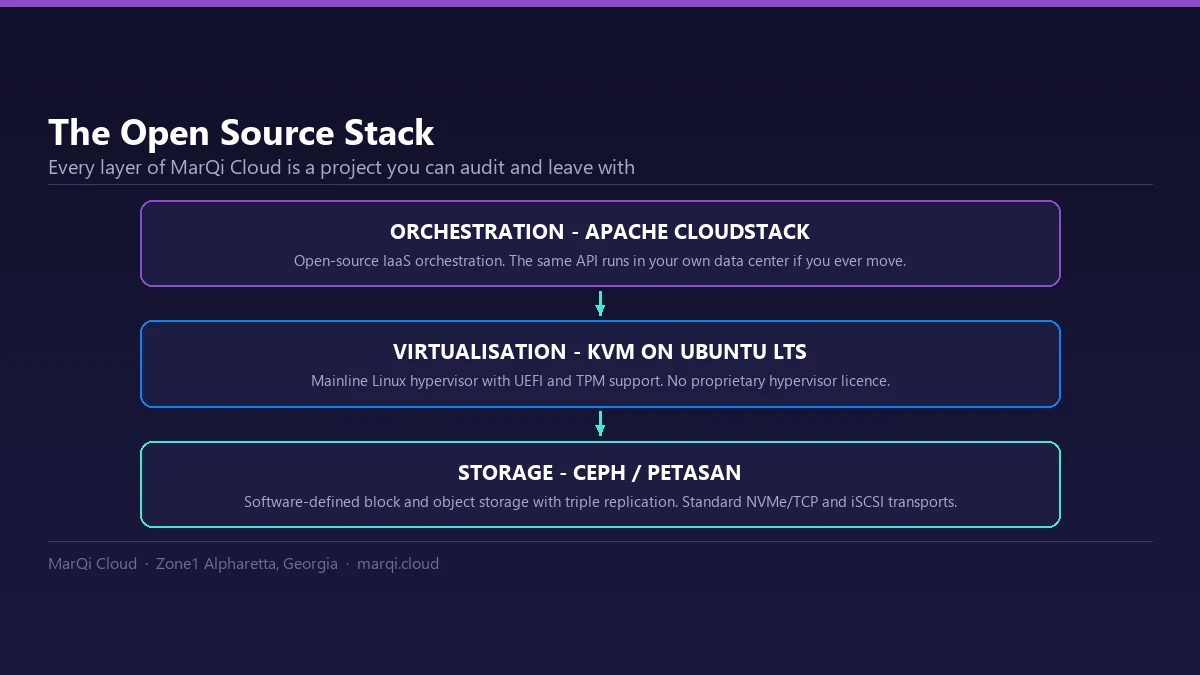
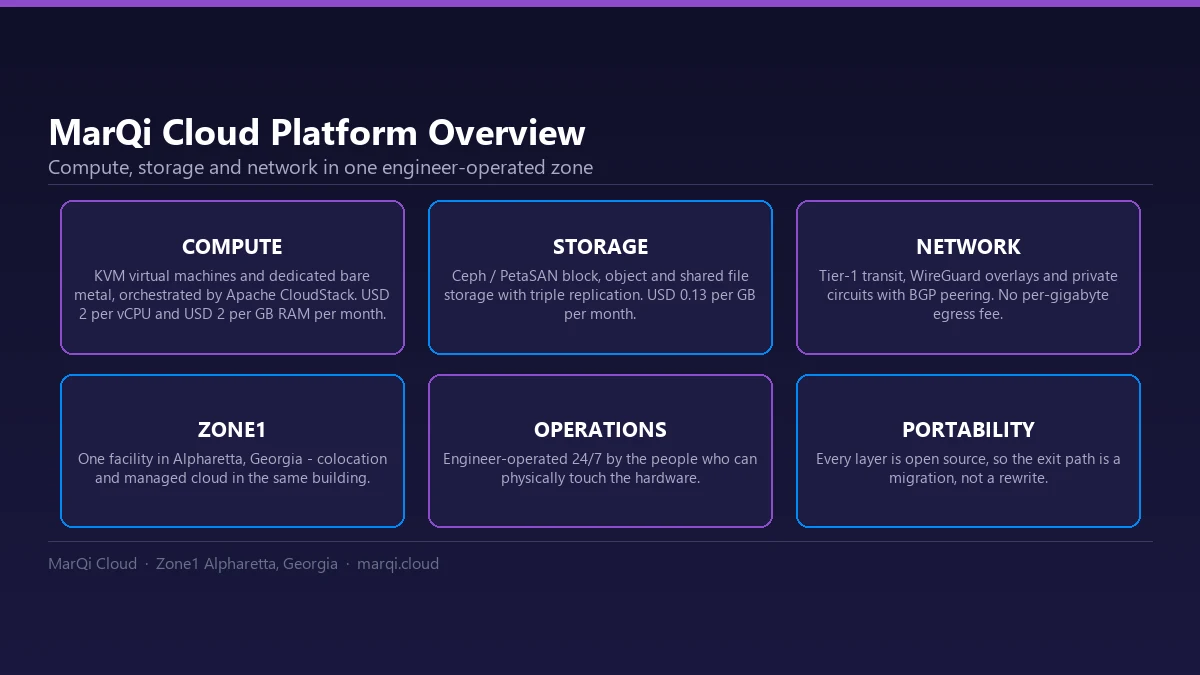
MarQi Cloud prioritizes transparency by publishing details of its infrastructure, including its data center location and its service commitments, and by stating that it does not claim compliance certifications. This commitment ensures that clients can make informed decisions regarding their cloud strategies. For more on how MarQi Cloud supports regulated healthcare workloads, see our article on healthcare compliance.
2. AWS
Amazon Web Services offers extensive documentation on their infrastructure, including whitepapers and security best practices. Their transparency allows organizations to understand the shared responsibility model and their role in securing data on the platform.
3. Microsoft Azure
Microsoft Azure provides a compliance manager tool that allows clients to assess their compliance posture. This tool enhances transparency by offering clients insights into the compliance requirements they must meet.
Conclusion
Infrastructure transparency is a crucial attribute that organizations should prioritize when selecting a cloud provider. By fostering trust, enhancing security, and enabling informed decision-making, transparency can significantly impact the effectiveness and reliability of cloud services. As you evaluate potential cloud providers, consider their commitment to transparency and how it aligns with your organization’s goals. For enterprise-grade cloud infrastructure and transparent solutions, consider MarQi Cloud. Our commitment to transparency ensures that you have the insights needed to make informed decisions about your cloud strategy.
FAQ
1. What is infrastructure transparency in cloud computing?
Infrastructure transparency refers to the openness of cloud providers in sharing information about their infrastructure, operations, and security practices.
2. Why is infrastructure transparency important?
It builds trust, ensures compliance, enables informed decisions, and enhances security.
3. How can I evaluate a cloud provider’s transparency?
Review compliance certifications, analyze documentation, request data center locations, evaluate performance metrics, and seek customer references.
4. What challenges do cloud providers face in achieving transparency?
Data sensitivity, complexity of infrastructure, and competitive pressures can hinder transparency.
5. Can infrastructure transparency improve security?
Yes, transparency allows organizations to assess security measures and identify vulnerabilities.
6. How does MarQi Cloud ensure infrastructure transparency?
MarQi Cloud publishes details of its infrastructure, its data center location and its service commitments, and states that it does not claim compliance certifications.
7. Are there specific compliance certifications to look for?
Yes, look for certifications like ISO 27001, SOC 2, and PCI DSS.
8. How does transparency impact cloud costs?
Transparent pricing models allow organizations to predict costs accurately and avoid unexpected charges.