Why Infrastructure Transparency Is the Most Important Cloud Provider Attribute
July 14, 2026
The Complete Guide to Cloud Migration Planning for Enterprise IT Teams
July 14, 2026
The Ultimate Guide to Migrating Legacy On-Premise Workloads to the Cloud
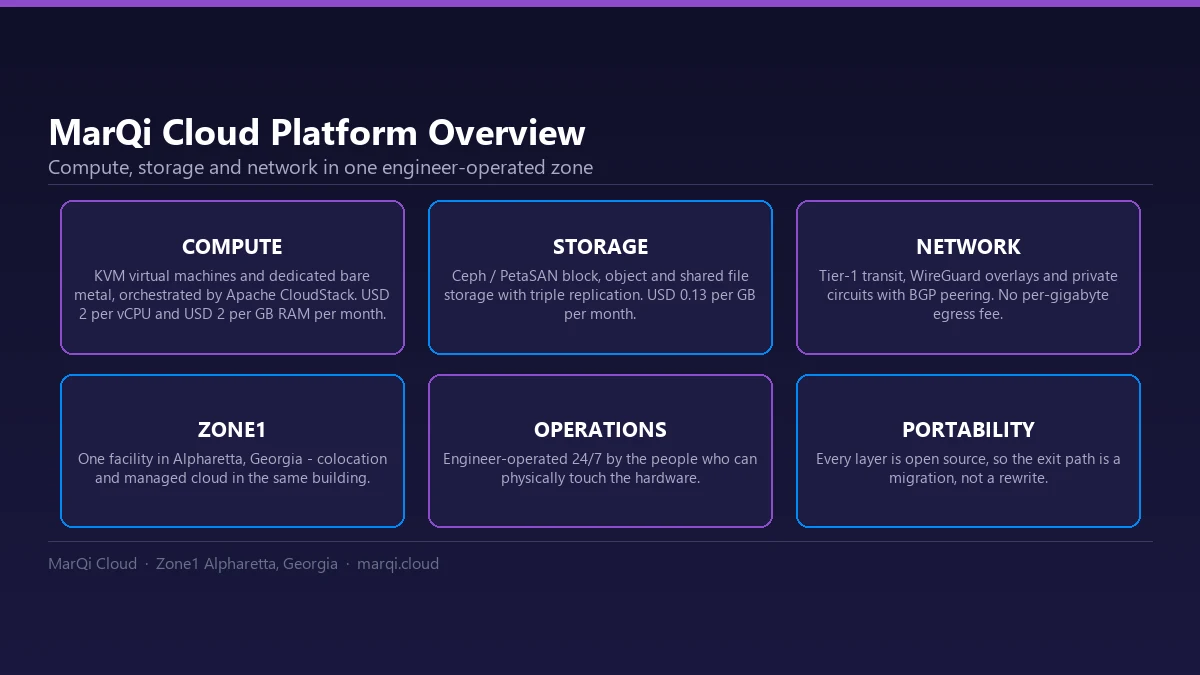
In today’s fast-paced digital landscape, organizations face the pressing need to modernize their IT infrastructure. Migrating legacy on-premise workloads to a modern cloud environment is not just a trend; it’s a strategic imperative for businesses looking to enhance efficiency, scalability, and security. This comprehensive guide will walk you through the essential steps and considerations for a successful migration, ensuring that your organization can leverage the full potential of cloud technology. By the end of this article, you will understand how to effectively transition your legacy systems to a cloud-based infrastructure, particularly through the services offered by MarQi Cloud.
Understanding Legacy Systems
Legacy systems are often characterized by outdated technology that may still fulfill critical business functions but can become a liability over time. These systems may include older hardware, software, or a combination of both, which can limit an organization’s agility and responsiveness to market changes. The challenges associated with legacy systems include:
- High maintenance costs due to outdated technologies.
- Increased security vulnerabilities as support for older software phases out.
- Difficulty in integrating with modern applications and cloud technologies.
- Limited scalability and flexibility, making it hard to adapt to changing business needs.
Many organizations struggle with legacy systems that hinder their digital transformation efforts. Understanding these challenges is crucial as you consider migrating to a modern cloud environment.
Benefits of Cloud Migration
Transitioning to a cloud environment offers numerous advantages for organizations looking to modernize their IT infrastructure. Here are some key benefits:
- Cost Efficiency: Cloud solutions typically operate on a pay-as-you-go model, allowing organizations to reduce capital expenditures on hardware and software.
- Scalability: Cloud platforms provide the flexibility to scale resources up or down based on demand, ensuring that businesses only pay for what they use.
- Enhanced Security: Leading cloud providers invest heavily in security measures, including data encryption, compliance certifications, and advanced threat detection.
- Business Continuity: Cloud environments often come with built-in disaster recovery solutions that ensure data integrity and availability in case of an outage.
- Improved Collaboration: Cloud-based tools facilitate real-time collaboration among teams, regardless of their geographical locations.
These benefits make cloud migration an appealing option for businesses, particularly when considering the capabilities offered by MarQi Cloud’s hybrid cloud solutions.
Developing a Migration Strategy
A successful migration begins with a well-defined strategy. The following steps can help you create a robust migration plan:
1. Assess Your Current Environment
Conduct a comprehensive assessment of your existing infrastructure, identifying all applications, data, and dependencies. This step will help you understand what needs to be migrated and how.
2. Define Objectives and Goals
Establish clear objectives for the migration process. Are you looking to reduce costs, improve performance, or enhance security? Setting measurable goals will help guide your strategy.
3. Choose the Right Migration Approach
There are several migration approaches to consider:
| Migration Approach | Description | Best For |
|---|---|---|
| Rehosting (Lift and Shift) | Moving applications to the cloud without significant changes. | Quick migrations with minimal changes. |
| Replatforming | Making some optimizations to applications while migrating. | Improving performance without extensive refactoring. |
| Refactoring | Rebuilding applications to fully leverage cloud capabilities. | Maximizing cloud benefits and efficiency. |
| Retiring | Decommissioning applications that are no longer needed. | Reducing complexity and costs. |
| Retaining | Keeping certain applications on-premises for specific needs. | Maintaining control over critical legacy systems. |
Choosing the right approach depends on your organization’s specific needs and goals.
4. Create a Detailed Migration Plan
Develop a step-by-step migration plan that outlines timelines, resource allocations, and responsibilities. Ensure that you incorporate risk assessments and contingency plans into your strategy.
5. Engage Stakeholders
Involve key stakeholders throughout the migration process. This includes IT teams, department heads, and end-users who will be impacted by the changes. Their input can provide valuable insights and foster buy-in.
Step-by-Step Migration Process
With a solid strategy in place, you can proceed with the migration process. Here’s a step-by-step guide:
Step 1: Preparation
During this phase, ensure that your cloud environment is ready for the migration. This includes setting up the necessary cloud infrastructure and configuring security settings.
Step 2: Data Migration
Transfer your data to the cloud environment. It’s essential to ensure data integrity during this process, so consider using tools that automate data migration and validate data accuracy.
Step 3: Application Migration
Begin migrating applications according to your defined approach. Test each application post-migration to ensure functionality and performance.
Step 4: Training and Support
Provide training resources and support to users as they transition to the new environment. This step is crucial for minimizing disruptions and ensuring user adoption.
Step 5: Monitoring and Optimization
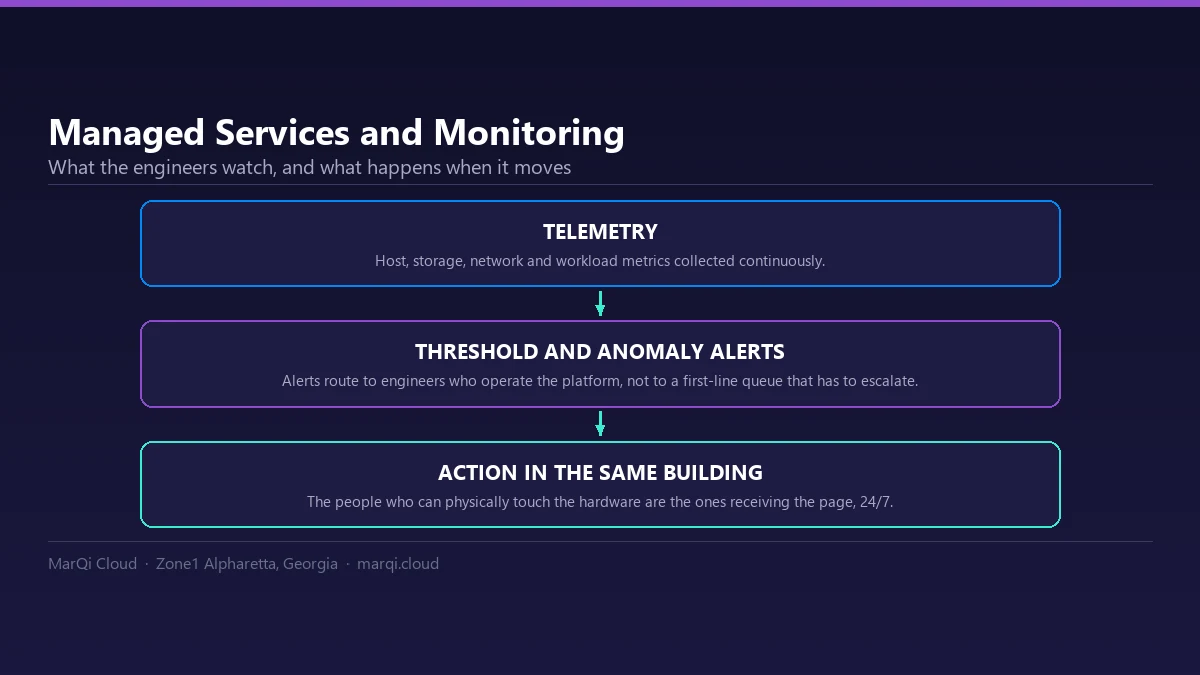
After migration, continuously monitor the cloud environment for performance issues and optimize resources as needed. Utilize tools available through MarQi Cloud’s monitoring services to gain insights into your infrastructure.
Best Practices for Migration
To ensure a smooth migration process, consider the following best practices:
- Conduct a Pilot Migration: Test the migration process with a small subset of applications or data to identify potential issues before a full-scale migration.
- Maintain Backups: Always have a backup of critical data to prevent loss during the migration process.
- Ensure Compliance: Verify that your migration strategy complies with industry regulations and standards, especially if you are in a regulated industry.
- Leverage Managed Services: Consider using managed cloud services to simplify the migration process and ensure best practices are followed.
Disaster Recovery and Business Continuity
One of the significant advantages of cloud migration is the enhanced disaster recovery and business continuity capabilities. Ensure that your cloud provider offers robust disaster recovery solutions, including:
- Automated Backups: Regular automatic backups to prevent data loss.
- Geographic Redundancy: Storing data across multiple locations to ensure availability in case of an outage.
- Failover Solutions: Instant failover capabilities to maintain business operations during a disaster.
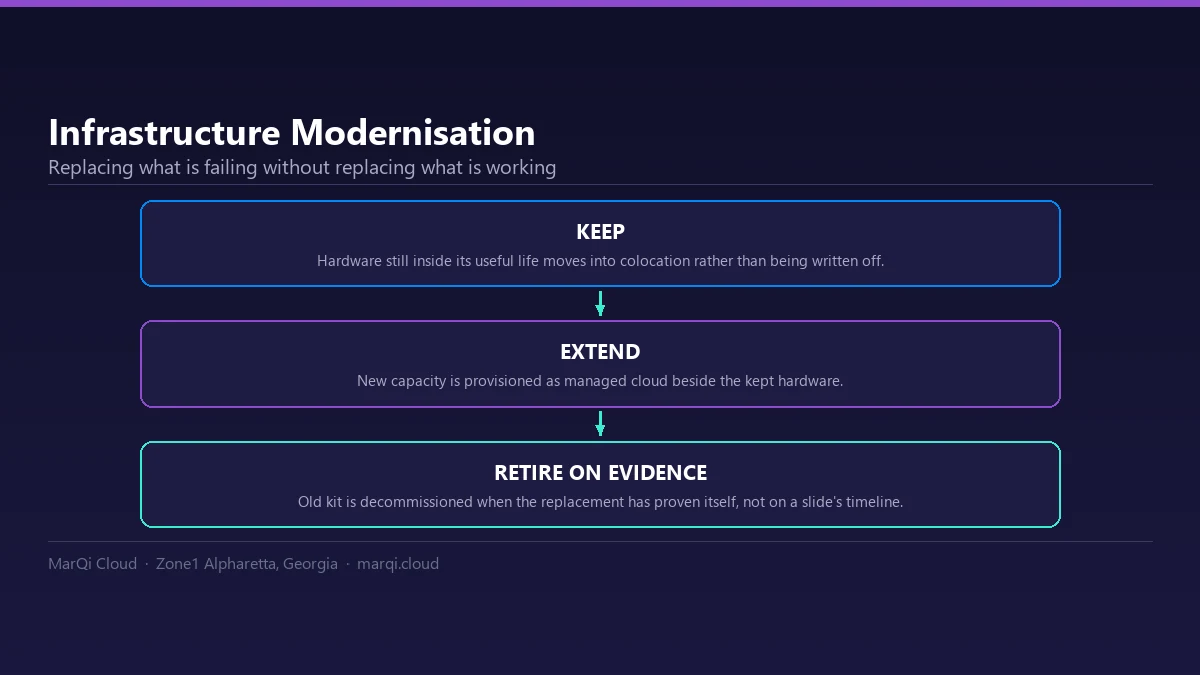
For organizations that prioritize business continuity, MarQi Cloud’s hybrid cloud infrastructure offers tailored solutions that ensure uptime and resilience.
Conclusion
Migrating legacy on-premise workloads to a modern cloud environment is a complex yet rewarding endeavor. By understanding your current environment, defining clear objectives, and following a structured migration process, your organization can unlock the numerous benefits of cloud technology. MarQi Cloud offers enterprise-grade cloud infrastructure and tailored solutions to support your migration journey. Embrace the future of IT by making the strategic move to the cloud.
FAQs
1. What are the key benefits of migrating to the cloud?
The key benefits include cost efficiency, scalability, enhanced security, improved collaboration, and business continuity.
2. How do I assess my current legacy systems?
Conduct a comprehensive inventory of your applications, data, and dependencies to understand what needs to be migrated.
3. What is the best migration strategy for legacy systems?
The best strategy depends on your organization’s needs; common approaches include rehosting, replatforming, and refactoring. Of the three, refactoring has the widest range of outcomes — what refactoring during cloud migration actually involves sets out where the effort goes.
4. How can I ensure data integrity during migration?
Utilize automated migration tools that validate data accuracy and maintain backups to prevent data loss.
5. What role do stakeholders play in the migration process?
Involving stakeholders helps gather insights, foster buy-in, and ensure that the migration aligns with business needs.
6. What should I do if I encounter issues during migration?
Conduct a pilot migration first to identify potential issues and have a contingency plan in place.
7. How does cloud migration improve business continuity?
Cloud environments typically offer automated backups, geographic redundancy, and failover solutions that enhance business continuity.
8. Can I migrate to the cloud without disrupting my business operations?
Yes, careful planning, pilot migrations, and proper training can minimize disruptions during the migration process.