The Ultimate Guide to Migrating Legacy On-Premise Workloads to the Cloud
July 14, 2026
Why Phased Cloud Migration Reduces Risk Compared to Big-Bang Approaches
July 14, 2026
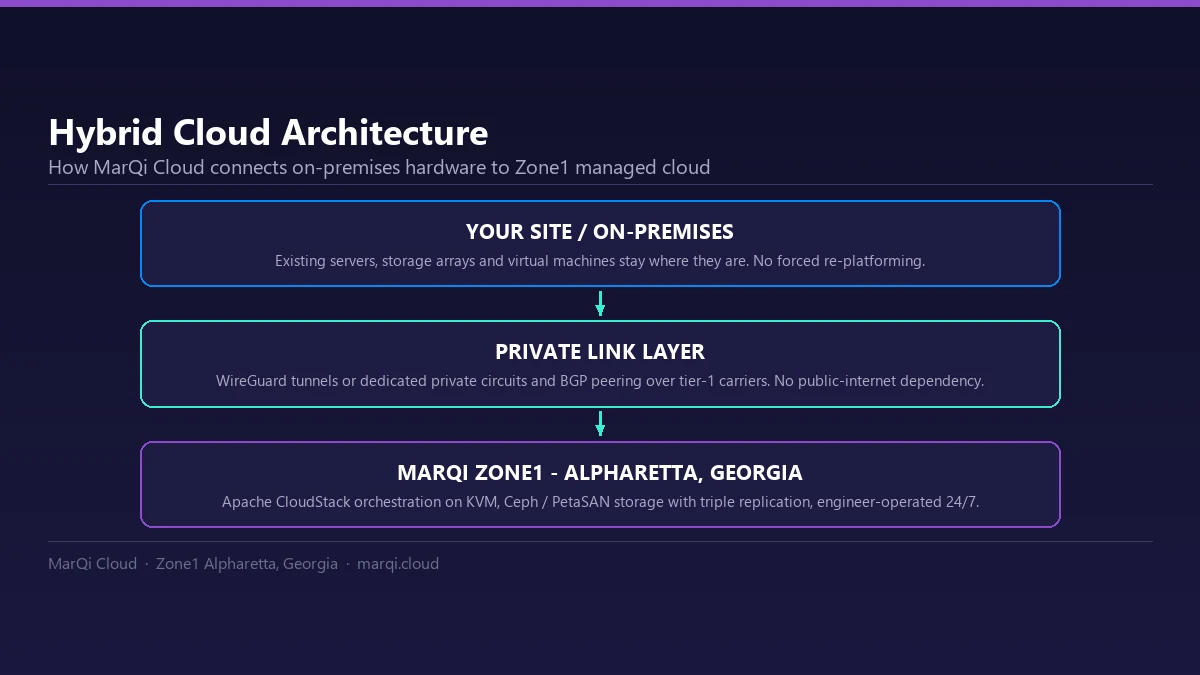
The Complete Guide to Cloud Migration Planning for Enterprise IT Teams
In today’s rapidly evolving technological landscape, cloud migration has become an essential strategy for enterprise IT teams aiming to enhance operational efficiency, reduce costs, and improve scalability. As organizations increasingly adopt cloud solutions, effective planning for cloud migration is critical to ensure a seamless transition without disrupting business operations. In this comprehensive guide, we will explore the nuances of cloud migration planning, outline best practices, and offer actionable insights to help your enterprise successfully navigate this complex process. This guide aims to empower your IT department with the knowledge and tools needed to implement cloud migration effectively.
What is Cloud Migration?
Cloud migration refers to the process of moving data, applications, and other business elements from on-premises infrastructure to cloud-based environments. This transition can involve the migration of data to public, private, or hybrid cloud platforms, depending on the organization’s specific needs. Cloud migration is not just about transferring data; it also includes reconfiguring applications and optimizing them for cloud environments. Understanding the different types of cloud migrations is crucial for enterprise IT teams:
- Lift and Shift: This involves moving applications and data to the cloud without making significant changes.
- Refactoring: This includes modifying applications to better fit the cloud environment, often to take advantage of cloud-native features.
- Rebuilding: In this approach, applications are completely rebuilt to leverage cloud capabilities.
- Replacing: This involves replacing legacy applications with cloud-based solutions.
Benefits of Cloud Migration
Understanding the benefits of cloud migration is vital for enterprise IT teams. Here are some key advantages:
- Cost Efficiency: Cloud migration can significantly reduce IT costs by eliminating the need for on-premises hardware and maintenance.
- Scalability: Cloud solutions allow organizations to scale resources up or down based on demand, providing flexibility in resource allocation.
- Improved Collaboration: Cloud-based tools enable better collaboration among teams, facilitating remote work and enhancing productivity.
- Enhanced Security: Leading cloud providers invest heavily in security measures, ensuring data protection and compliance with regulations.
- Business Continuity: Cloud migration can improve disaster recovery capabilities, enabling faster recovery times and minimizing downtime.
Key Steps in Cloud Migration Planning
Effective cloud migration planning involves several critical steps:
1. Assess Your Current Infrastructure
Before initiating a migration, conduct a thorough assessment of your existing infrastructure. Identify the applications and data that will be migrated, evaluate their dependencies, and understand the current performance metrics. This assessment will help in determining the right cloud strategy for your organization.
2. Define Your Migration Strategy
Choose a cloud migration strategy that aligns with your business goals. Consider factors such as budget, timeline, and the level of customization required. A well-defined strategy will guide your migration process and help mitigate risks.
3. Develop a Migration Plan
Create a comprehensive migration plan that outlines the timeline, resource allocation, and key milestones. Include a detailed checklist of tasks to be completed at each stage of the migration process. This plan will serve as a roadmap for your IT team.
4. Choose the Right Cloud Provider
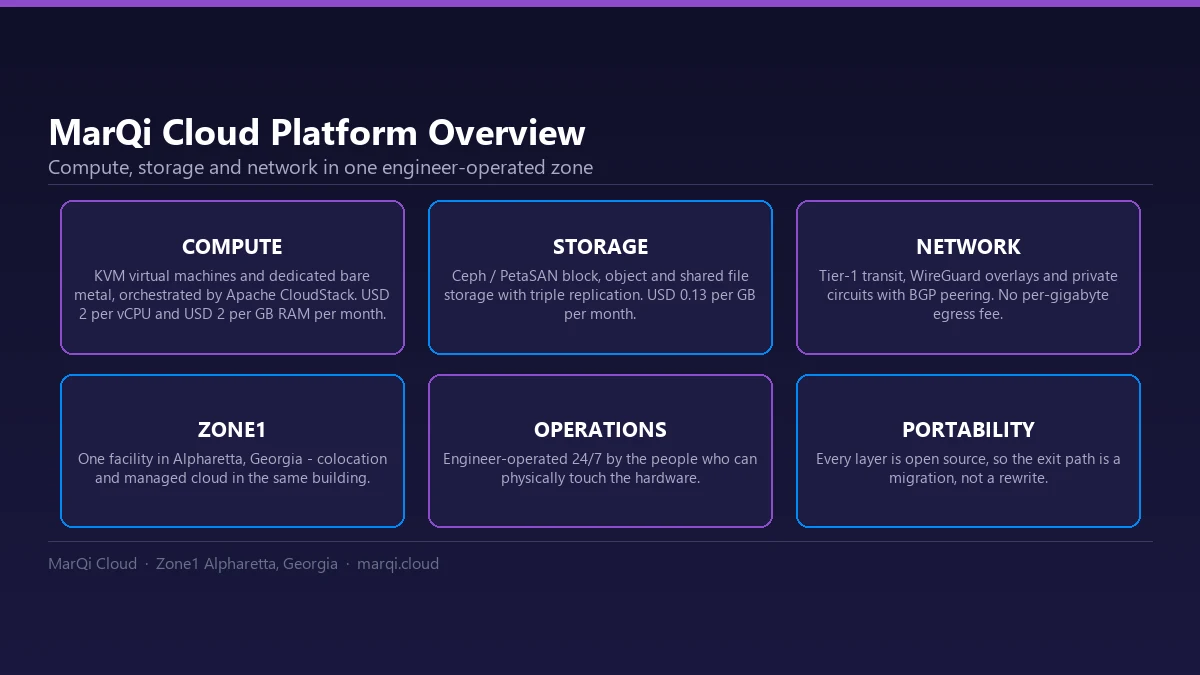
Selecting a cloud provider is a critical decision. Evaluate potential providers based on their security measures, compliance standards, and service level agreements (SLAs). MarQi Cloud, for example, offers enterprise-grade cloud infrastructure with a focus on security and scalability, making it an excellent choice for organizations seeking reliable cloud solutions.
5. Execute the Migration
Once the plan is in place, execute the migration according to the defined timeline. Ensure that your IT team is well-prepared and equipped with the necessary tools to manage the migration process. Regular communication with stakeholders is crucial during this phase to address any concerns or issues that may arise.
6. Test and Optimize
After the migration, conduct thorough testing to ensure that all applications and data are functioning correctly in the cloud environment. Monitor performance metrics and optimize configurations as needed to achieve the desired outcomes.
Common Challenges and How to Overcome Them
Cloud migration can present several challenges. Here are some common obstacles and strategies to overcome them:
1. Data Security Concerns
Data security is a primary concern during migration. To mitigate risks, choose a cloud provider with robust security measures and compliance certifications. Implement encryption for sensitive data and establish access controls to protect against unauthorized access.
2. Downtime and Business Disruption
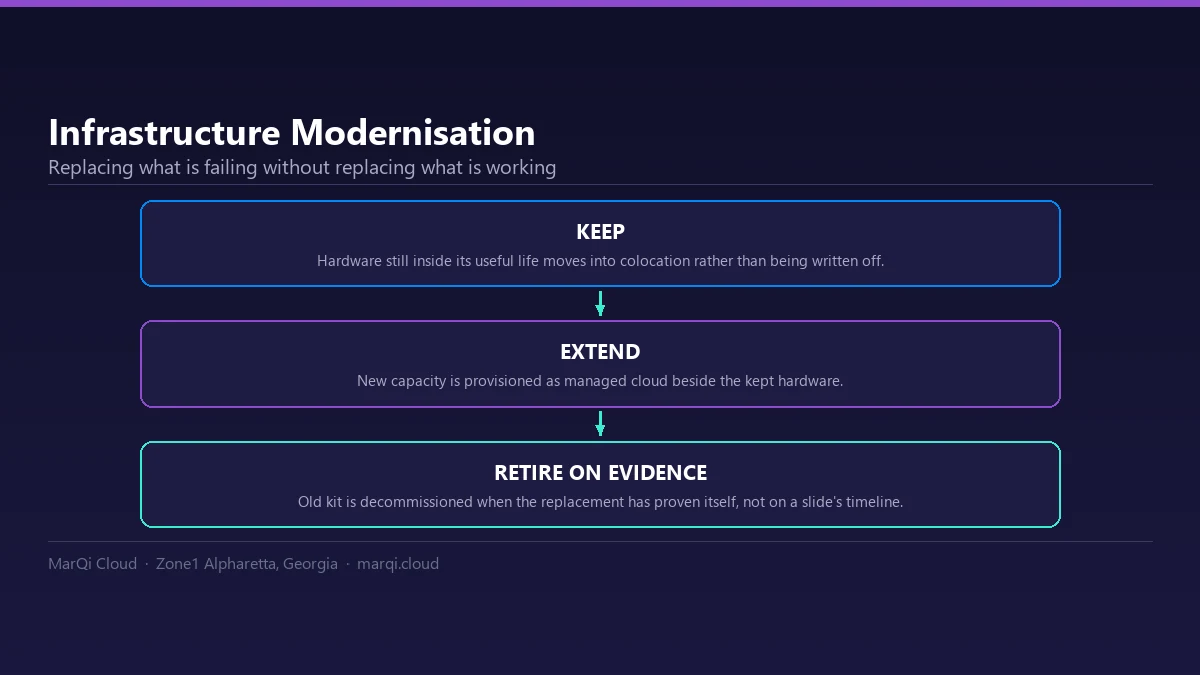
Downtime during migration can impact business operations. To minimize disruptions, consider a phased migration approach, migrating non-critical applications first. This strategy allows you to test the cloud environment without affecting core business functions.
3. Skills Gap
Many organizations face a skills gap in cloud technologies. Invest in training and development for your IT team to build the necessary skills for managing cloud environments. Additionally, consider partnering with a managed services provider like MarQi Cloud, which offers white-glove managed services to support your cloud infrastructure.
Best Practices for Cloud Migration
To ensure a successful cloud migration, follow these best practices:
- Involve Stakeholders Early: Engage key stakeholders from various departments early in the planning process to gather input and address concerns.
- Establish Clear Objectives: Define clear objectives for the migration, including expected outcomes and success metrics.
- Document Everything: Maintain thorough documentation throughout the migration process to track progress and provide a reference for future migrations.
Conclusion
Cloud migration is a transformative journey for enterprise IT teams that can lead to enhanced efficiency, scalability, and security. By following a structured approach to planning and execution, organizations can successfully navigate the complexities of cloud migration. As you embark on this journey, consider partnering with a trusted cloud provider like MarQi Cloud to leverage enterprise-grade infrastructure and managed services tailored to your needs. With careful planning and execution, your organization can reap the numerous benefits of cloud migration and remain competitive in the digital age.
FAQ
1. What is cloud migration?
Cloud migration is the process of moving data, applications, and other business elements from on-premises infrastructure to cloud-based environments.
2. What are the benefits of cloud migration?
Benefits include cost efficiency, scalability, improved collaboration, enhanced security, and business continuity.
3. What are the key steps in cloud migration planning?
Key steps include assessing current infrastructure, defining migration strategy, developing a migration plan, choosing the right cloud provider, executing the migration, and testing and optimizing.
4. What challenges are associated with cloud migration?
Common challenges include data security concerns, downtime during migration, and skills gaps within the IT team.
5. How can organizations minimize downtime during migration?
Organizations can minimize downtime by adopting a phased migration approach, starting with non-critical applications.
6. Why is selecting the right cloud provider important?
The right cloud provider ensures robust security, compliance, and the necessary infrastructure to support your organization’s needs.
7. What is the lift and shift migration strategy?
The lift and shift strategy involves moving applications and data to the cloud without making significant changes.
8. How can MarQi Cloud support my organization’s migration efforts?
MarQi Cloud offers enterprise-grade cloud infrastructure, managed services, and expertise to facilitate successful cloud migration.