The Complete Guide to Cloud Migration Planning for Enterprise IT Teams
July 14, 2026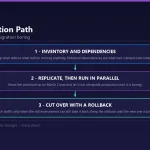
Essential Guide: Assessing Your Application Portfolio for Cloud Migration Readiness
July 14, 2026
Why Phased Cloud Migration Reduces Risk Compared to Big-Bang Approaches
In the rapidly evolving landscape of cloud computing, organizations face a crucial decision when migrating their IT infrastructure: should they opt for a phased cloud migration or a big-bang approach? This question is not merely a matter of preference; it significantly impacts risk management, resource allocation, and overall success. In this comprehensive guide, we will explore why phased cloud migration is a more prudent choice for businesses, especially for mid-size to enterprise-level organizations that demand reliability and scalability. By the end of this article, you will understand the nuances of phased migration, the potential pitfalls of big-bang approaches, and how MarQi Cloud can facilitate a smooth migration process tailored to your business needs.
Understanding Cloud Migration
Cloud migration is the process of transferring data, applications, and other business elements from on-premises infrastructure to a cloud-based environment. This transition can be complex and requires careful planning and execution. The decision on how to migrate—whether through a phased approach or a big-bang strategy—can greatly influence the outcome of the migration.
What is Cloud Migration?
Cloud migration involves several steps, including assessment, planning, execution, and optimization. Organizations must evaluate their existing infrastructure, determine which applications are suitable for the cloud, and develop a comprehensive migration strategy. This is where the distinction between phased and big-bang approaches becomes critical.
The Big-Bang Approach Explained
The big-bang migration approach entails moving all applications and data to the cloud in a single, large-scale operation. While this method may seem efficient, it carries significant risks, including:
- Service Interruptions: A comprehensive migration can lead to extended downtime, impacting business operations.
- Data Loss: The risk of data loss increases when transferring large volumes of information at once.
- Inadequate Testing: Limited time for testing can result in undetected issues that may arise after the migration.
Organizations that choose this route often find themselves grappling with unexpected challenges, leading to costly delays and disruptions. In contrast, a phased migration allows for a more controlled and manageable transition.
Phased Cloud Migration: A Safer Alternative
Phased cloud migration involves breaking the migration process into smaller, manageable sections. This method allows organizations to transfer applications and data incrementally, reducing risk and ensuring a smoother transition.
Key Components of Phased Migration
The phased approach typically consists of the following steps:
- Assessment: Identify which applications and workloads are suitable for the cloud and prioritize them based on business needs.
- Planning: Develop a detailed migration plan that outlines timelines, resource allocation, and risk management strategies.
- Execution: Begin migrating workloads in phases, starting with less critical applications to minimize risk.
- Testing: Conduct thorough testing after each phase to ensure performance and functionality.
- Optimization: Continuously monitor and optimize the cloud environment for performance and cost efficiency.
Advantages of Phased Migration
Choosing a phased approach to cloud migration offers several advantages:
- Reduced Risk: Incremental migration minimizes the risk of data loss and service interruptions.
- Better Resource Management: Organizations can allocate resources more effectively by focusing on one section at a time.
- Enhanced Testing Opportunities: Each phase allows for comprehensive testing, ensuring that any issues are identified and resolved before moving to the next phase.
- Improved User Adoption: Users can gradually adapt to the new cloud environment, reducing resistance and increasing productivity.
Data-Driven Insights
Organizations that adopt a phased migration strategy experience fewer disruptions than those that choose a big-bang approach. This statistic underscores the importance of a strategic migration plan.
Disadvantages of Big-Bang Migration
While big-bang migration may seem like a straightforward solution, it is fraught with challenges:
- High Stakes: The risk of failure is elevated, as a single error can impact the entire migration process.
- Long-Term Downtime: Extended downtime can lead to lost revenue and damaged customer trust.
- Complex Troubleshooting: Identifying and resolving issues can be more complicated when everything is migrated at once.
How MarQi Cloud Supports Phased Migration
At MarQi Cloud, we specialize in enterprise-grade cloud infrastructure, offering tailored solutions that facilitate a seamless migration process. Our phased migration approach includes:
- Consultation: Our experts work with your team to assess your current infrastructure and identify the best migration strategy.
- Managed Services: We provide white-glove managed services to ensure that your migration is executed flawlessly.
- Scalable Solutions: Our infrastructure is designed to scale with your business needs, ensuring that you have the resources required for each phase of migration.
For more information on how we can assist with your migration, visit our solutions page.
Expert Tips for Successful Cloud Migration
Here are some additional expert tips for a successful cloud migration:
- Engage Stakeholders: Involve key stakeholders throughout the process to ensure buy-in and support.
- Prioritize Security: Ensure that your cloud provider offers robust security measures to protect sensitive data during and after migration.
- Monitor Performance: Continuously monitor your cloud environment to identify and address performance issues promptly.
Frequently Asked Questions
1. What is cloud migration?
Cloud migration is the process of transferring data, applications, and workloads from on-premises infrastructure to a cloud-based environment.
2. What is the difference between phased migration and big-bang migration?
Phased migration involves moving applications and data incrementally, while big-bang migration entails transferring everything at once.
3. What are the risks associated with big-bang migration?
Risks include service interruptions, data loss, and inadequate testing, leading to potential disruptions in business operations.
4. How can phased migration reduce risks?
Phased migration minimizes risks by allowing for incremental testing, better resource management, and reduced downtime.
5. What role does MarQi Cloud play in cloud migration?
MarQi Cloud provides enterprise-grade infrastructure and managed services to support a seamless and efficient migration process.
6. How long does a cloud migration take?
The duration of a cloud migration depends on the complexity of the infrastructure and the chosen migration strategy.
7. Can I migrate to the cloud without technical expertise?
Yes, partnering with a managed cloud provider like MarQi Cloud can help facilitate the migration process for non-technical teams.
8. What should I consider before migrating to the cloud?
Consider your business goals, the applications you wish to migrate, security requirements, and the expertise of your cloud provider.