The Ultimate Guide to Migrating Windows Server Workloads to Cloud Infrastructure
July 15, 2026
The Complete Guide to Application Refactoring During Cloud Migration
July 16, 2026
Why Lift-and-Shift Migration Is Sometimes the Right First Step
In today’s fast-paced digital landscape, organizations face a pressing need to modernize their IT infrastructure. As they navigate the complexities of cloud adoption, many enterprises find themselves confronted with the question of how to migrate their existing applications and data effectively. One approach that has gained traction is the ‘lift-and-shift’ migration strategy. This method, while often viewed as a temporary solution, can serve as a crucial first step in a broader cloud migration strategy. In this article, we will explore why lift-and-shift migration is sometimes the right first step for organizations looking to transition to the cloud, particularly in the context of secure enterprise hosting and hybrid cloud solutions.
Understanding Lift-and-Shift Migration
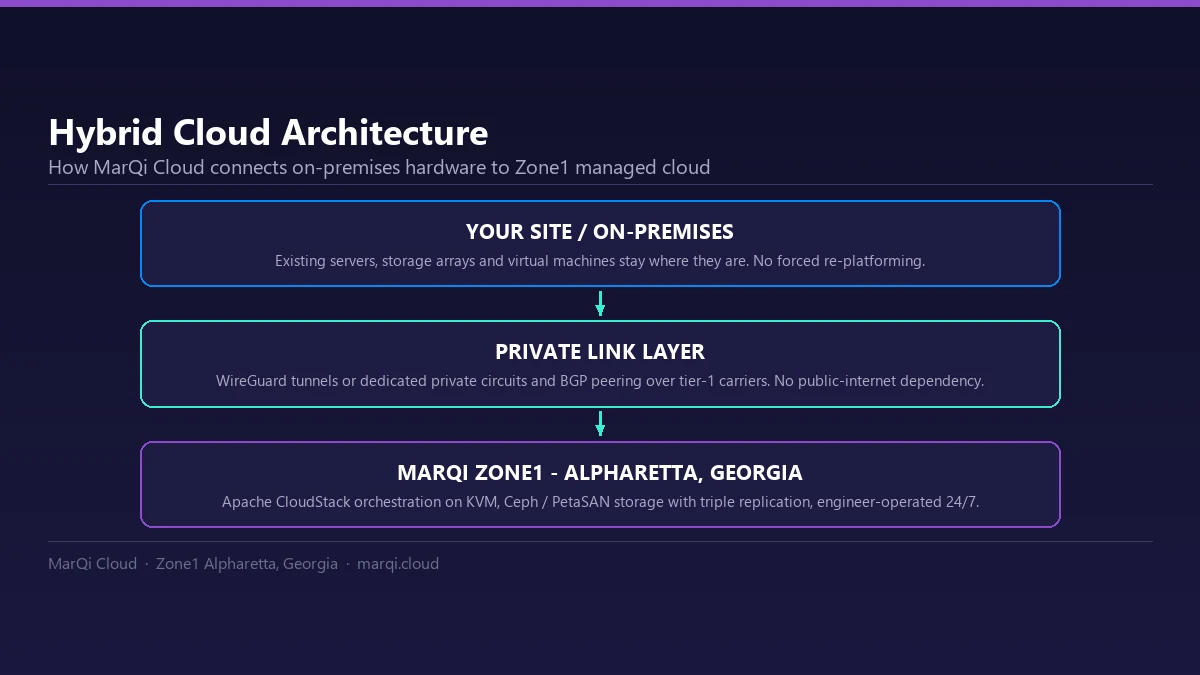
Lift-and-shift migration refers to the process of moving applications and workloads from on-premises environments to the cloud without making significant changes to their architecture. This approach allows organizations to quickly transfer their existing systems to a cloud provider, such as MarQi Cloud, leveraging enterprise-grade cloud infrastructure for enhanced performance and scalability. While this method may not take full advantage of cloud-native capabilities, it provides a pragmatic solution for businesses looking to expedite their cloud journey.
Benefits of Lift-and-Shift Migration
1. Speed of Migration: Lift-and-shift migrations can be executed relatively quickly compared to more complex migration strategies. This rapid deployment can be crucial for organizations needing to meet tight deadlines or capitalize on immediate cloud benefits.
2. Cost-Effectiveness: By avoiding extensive redesign efforts, businesses can save resources during the initial migration phase. This approach allows organizations to allocate their budgets more efficiently while still gaining the advantages of cloud hosting.
3. Reduced Risk: Migrating to the cloud can be daunting, especially for organizations with mission-critical applications. The lift-and-shift approach minimizes risks by maintaining familiar architectures, reducing the potential for operational disruptions during the transition.
4. Immediate Access to Cloud Benefits: Once migrated, organizations can immediately benefit from cloud features such as scalability, flexibility, and enhanced security protocols offered by providers like MarQi Cloud, which specializes in secure enterprise hosting solutions.
Considerations Before Lift-and-Shift Migration
While lift-and-shift migration offers several advantages, it is essential to consider the following factors before proceeding:
- Application Suitability: Not all applications are ideal candidates for lift-and-shift migration. Evaluate the architecture and dependencies of each application to determine if this method is appropriate.
- Performance Expectations: Migrated applications may not perform optimally in the cloud without necessary adjustments. Consider the impact of cloud latency and resource allocation on application performance.
- Compliance and Security: Ensure that the chosen cloud provider meets industry compliance standards and offers robust security measures to protect sensitive data.
Steps for a Successful Lift-and-Shift Migration
The following steps outline a comprehensive approach to executing a successful lift-and-shift migration:
- Conduct a Cloud Readiness Assessment: Evaluate your current IT environment, including applications, workloads, and data, to determine readiness for migration.
- Choose the Right Cloud Provider: Select a cloud provider that aligns with your organization’s goals, such as MarQi Cloud, which offers enterprise-grade cloud infrastructure and flexible pricing models.
- Plan the Migration: Develop a detailed migration plan that includes timelines, resources, and key stakeholders. Consider leveraging MarQi Cloud’s infrastructure consulting services to optimize your strategy.
- Perform Testing: Before full migration, conduct testing to validate application performance, security, and functionality in the cloud environment.
- Execute the Migration: Initiate the migration process, ensuring minimal disruption to business operations. Utilize MarQi Cloud’s white-glove managed services to facilitate a smooth transition.
- Monitor and Optimize: Post-migration, continuously monitor application performance and optimize resource allocation to enhance efficiency.
When to Choose Lift-and-Shift Migration
Lift-and-shift migration is particularly beneficial in the following scenarios:
- Legacy Systems: Organizations with outdated systems may find lift-and-shift migration an effective way to modernize their infrastructure without significant redevelopment efforts.
- Short-Term Needs: Businesses facing immediate demands for scalability or flexibility may opt for lift-and-shift to quickly transition to the cloud while planning for future optimizations.
- Limited Technical Resources: Companies with limited IT resources may prefer lift-and-shift migration, as it requires less technical expertise compared to comprehensive cloud-native redesigns.
Conclusion
In conclusion, lift-and-shift migration can serve as an effective first step in an organization’s journey to the cloud. By facilitating a quick transition to a secure enterprise hosting environment, businesses can leverage immediate cloud benefits while laying the groundwork for future optimizations. As organizations continue to navigate the complexities of cloud adoption, understanding when and how to implement lift-and-shift migration will be crucial for achieving long-term success in their digital transformation efforts.
Frequently Asked Questions
What is lift-and-shift migration?
Lift-and-shift migration involves moving applications and workloads to the cloud without significant architectural changes.
Why is lift-and-shift migration beneficial?
This approach offers speed, cost-effectiveness, reduced risk, and immediate access to cloud benefits.
What are the challenges of lift-and-shift migration?
Potential challenges include performance issues, application suitability, and compliance concerns.
When should I consider lift-and-shift migration?
Consider this approach for legacy systems, short-term needs, or when limited technical resources are available.
Can lift-and-shift migration be part of a larger cloud strategy?
Yes, it can serve as a first step, allowing organizations to plan for future optimizations and cloud-native redesigns.
How does MarQi Cloud support lift-and-shift migration?
MarQi Cloud offers enterprise-grade infrastructure, flexibility, and managed services to facilitate a smooth migration process.
What types of applications are suitable for lift-and-shift?
Applications that are not heavily dependent on cloud-native features or require minimal changes are suitable candidates.
How can I ensure a successful lift-and-shift migration?
Conduct a cloud readiness assessment, choose the right provider, plan the migration, perform testing, and monitor post-migration performance.