The Complete Guide to Cloud Compute Resource Planning for Business Workloads
July 10, 2026
How MarQi Cloud Delivers Enterprise-Grade Reliability Without Enterprise-Grade Complexity
July 10, 2026
Why Performance-Driven Infrastructure Design Outperforms One-Size-Fits-All Cloud Solutions
In today’s fast-paced business environment, organizations are increasingly reliant on cloud infrastructure to drive innovation, improve operational efficiency, and enhance customer experiences. However, not all cloud solutions are created equal. While one-size-fits-all cloud services promise simplicity and convenience, they often fall short in delivering the tailored performance necessary for enterprise-level applications. This article explores the critical advantages of performance-driven infrastructure design over generic cloud solutions, emphasizing why a customized approach is essential for achieving optimal results.
Understanding Performance-Driven Infrastructure
Performance-driven infrastructure design focuses on creating a tailored environment that meets the specific needs of an organization, ensuring optimal performance and resource utilization. Unlike traditional cloud solutions, which offer a uniform set of features and capabilities, performance-driven designs are adaptable and scalable, allowing organizations to configure their infrastructure according to their unique requirements.
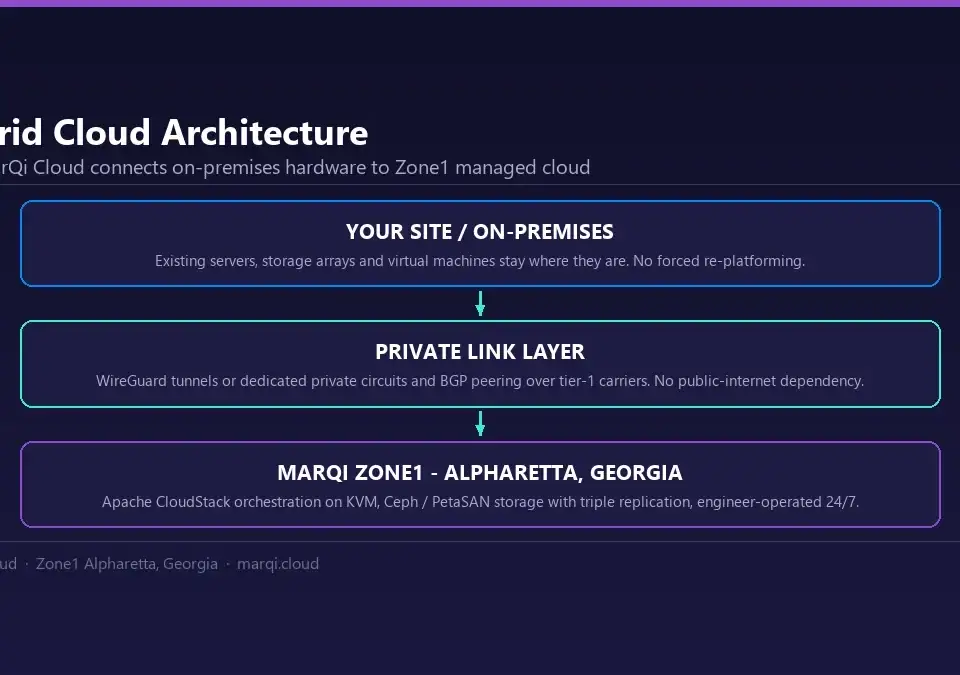
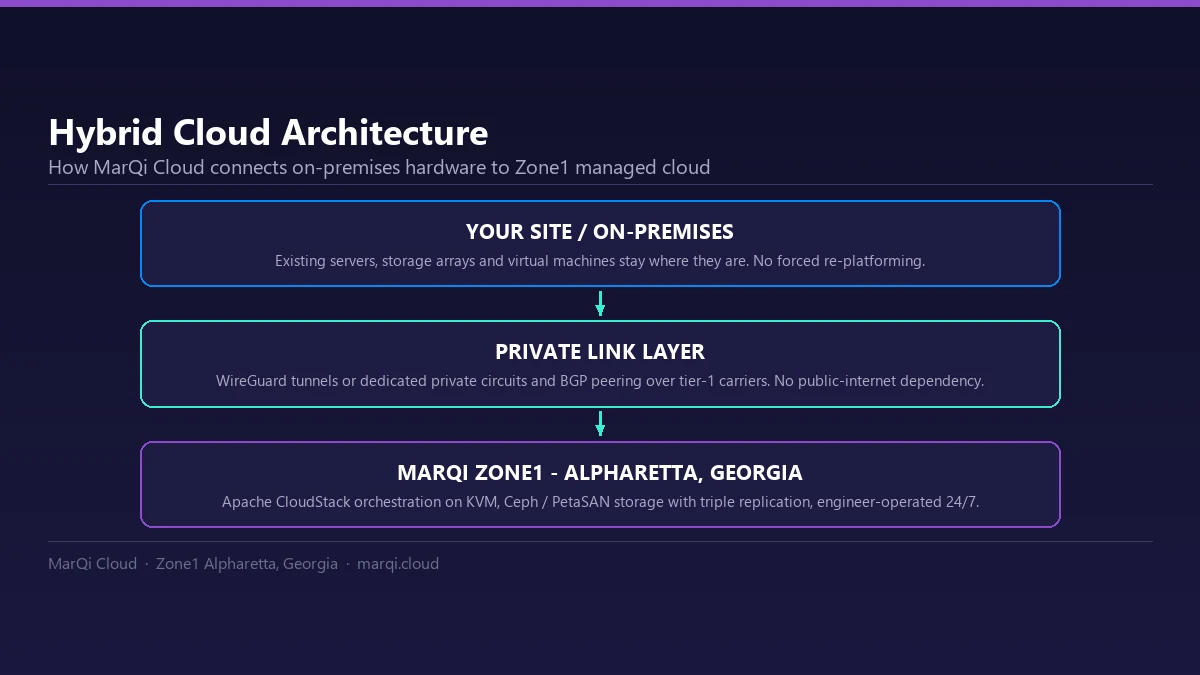
For instance, MarQi Cloud specializes in enterprise-grade cloud infrastructure that supports hybrid cloud deployment models, enabling businesses to leverage the best of both public and private clouds. This flexibility is critical for organizations that experience fluctuating workloads or require specific compliance standards.
The Limitations of One-Size-Fits-All Cloud Solutions
One-size-fits-all cloud solutions may seem appealing due to their simplicity and lower upfront costs, but they often lead to several limitations:
- Performance Issues: Generic cloud environments often struggle to meet the performance demands of specific applications, resulting in slow response times and degraded user experiences.
- Scalability Challenges: While many cloud providers claim to offer scalable solutions, their rigid structures can hinder dynamic scaling, leading to resource wastage or shortages during peak usage periods.
- Security Vulnerabilities: Standardized cloud solutions may not adhere to the specific security requirements of every industry, exposing organizations to compliance risks and data breaches.
- Lack of Customization: A one-size-fits-all approach restricts organizations from tailoring their infrastructure to fit their unique workflows and operational needs.
According to a report from the National Institute of Standards and Technology (NIST), organizations adopting cloud solutions without consideration of their specific needs often experience significant performance degradation.
Benefits of Performance-Driven Infrastructure Design
Adopting a performance-driven infrastructure design offers numerous advantages that can significantly enhance an organization’s operational efficiency and agility:
- Optimized Resource Utilization: Performance-driven designs allow organizations to allocate resources based on actual usage patterns, reducing waste and lowering costs. By leveraging MarQi Cloud’s scalable compute and storage resources, businesses can optimize their infrastructure for maximum efficiency.
- Enhanced Performance: Custom infrastructure setups ensure that applications run smoothly, leading to improved user experiences and higher satisfaction rates. For example, MarQi Cloud’s dedicated hosting solutions provide the necessary resources to support high-demand applications without lag.
- Improved Security and Compliance: Organizations can implement tailored security measures that align with industry standards and regulations, reducing the risk of data breaches. For instance, MarQi Cloud offers private cloud solutions designed for industries with stringent compliance requirements, such as healthcare and finance.
- Flexibility and Agility: Performance-driven infrastructure allows organizations to adapt quickly to changing business needs, enabling rapid deployment of new applications and services.
By adopting a performance-driven approach, organizations can significantly enhance their operational capabilities, as evidenced by a study from the Gartner Group, which found that companies utilizing customized cloud solutions reported a 30% increase in productivity.
Key Components of Performance-Driven Infrastructure
To successfully implement a performance-driven infrastructure, organizations should focus on several key components:
1. Custom Hardware Configuration
Performance-driven infrastructures often require specific hardware configurations tailored to application needs. This may include selecting high-performance CPUs, optimizing memory configurations, and utilizing SSD storage for faster data access.
2. Network Optimization
Network performance is critical for cloud applications. Leveraging dedicated connections and private circuits, such as those offered by MarQi Cloud, ensures low latency and high bandwidth, optimizing user experiences.
3. Advanced Monitoring and Analytics
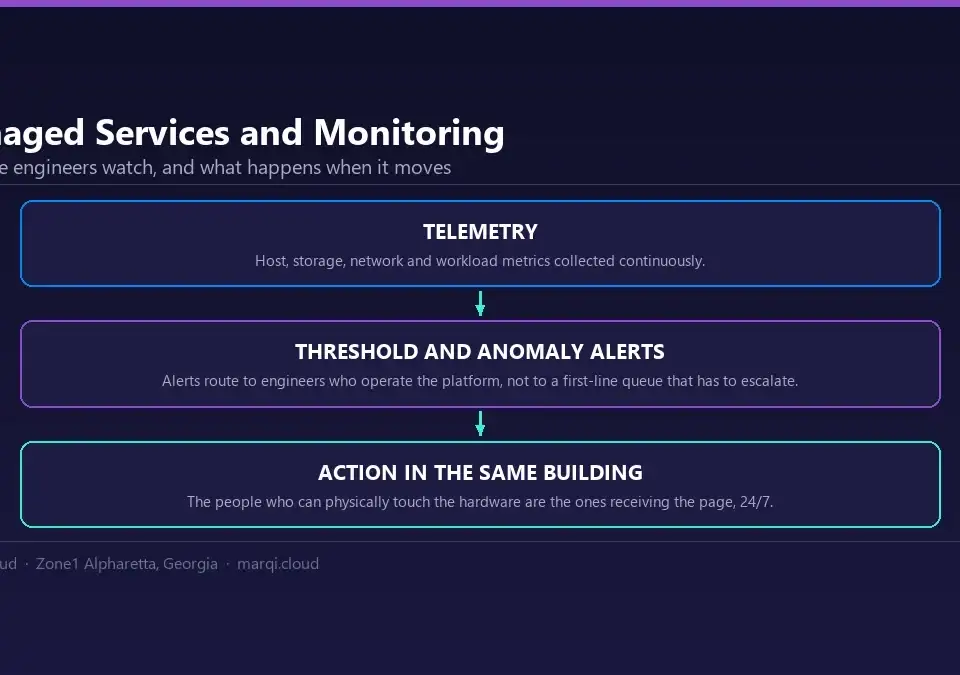
Utilizing advanced monitoring tools allows organizations to track performance metrics in real-time, enabling proactive adjustments to resources and configurations. Tools like MarQi Cloud’s status and monitoring services provide insights into system performance, helping to identify bottlenecks before they impact users.
4. Scalable Architecture
Designing for scalability is crucial. Performance-driven infrastructures should support seamless scaling, allowing organizations to adjust resources as demand fluctuates. MarQi Cloud’s hybrid cloud solutions facilitate this scalability by integrating both public and private resources.
Case Studies: Real-World Success Stories
To illustrate the benefits of performance-driven infrastructure, consider the following case studies:
Case Study 1: Healthcare Provider
A leading healthcare provider transitioned to a performance-driven cloud infrastructure with MarQi Cloud to meet stringent compliance requirements and improve patient data access. By implementing a dedicated private cloud solution, the organization achieved:
- A 40% reduction in data retrieval times
- Enhanced security measures that ensured compliance with HIPAA regulations
- Improved patient satisfaction scores due to faster service delivery
Case Study 2: E-commerce Business
An e-commerce platform faced challenges with slow load times during peak shopping seasons. By migrating to MarQi Cloud’s performance-driven infrastructure, the company achieved:
- A 50% decrease in page load times
- A 30% increase in transaction conversion rates
- Enhanced user experience leading to higher customer retention
How to Transition to a Performance-Driven Model
Transitioning to a performance-driven infrastructure requires careful planning and execution. Here’s a step-by-step guide:
Step 1: Assess Current Infrastructure
Begin by evaluating your existing infrastructure to identify performance bottlenecks and areas for improvement. Analyze resource utilization patterns, application performance metrics, and user feedback.
Step 2: Define Performance Goals
Establish clear performance objectives based on your organization’s needs. This may include response time targets, uptime requirements, and scalability goals.
Step 3: Design Customized Infrastructure
Work with cloud architects to design a tailored infrastructure that meets your performance goals. Consider hardware configurations, network optimization, and security requirements.
Step 4: Implement Monitoring Tools
Deploy advanced monitoring and analytics tools to track performance in real-time. This will allow for proactive adjustments and optimizations as needed.
Step 5: Test and Optimize
Conduct thorough testing of the new infrastructure to ensure it meets performance expectations. Make necessary adjustments based on testing results before full deployment.
Conclusion
In conclusion, performance-driven infrastructure design offers significant advantages over one-size-fits-all cloud solutions. By focusing on tailored performance, organizations can optimize resource utilization, enhance security, and improve user experiences. The transition to a performance-driven model may require effort and investment, but the long-term benefits far outweigh the challenges. For organizations seeking to maximize their cloud infrastructure’s potential, partnering with a dedicated provider like MarQi Cloud can facilitate a seamless transition to a performance-driven approach.
FAQs
1. What is performance-driven infrastructure design?
Performance-driven infrastructure design focuses on creating a tailored environment that meets specific organizational needs, ensuring optimal performance and resource utilization.
2. How does one-size-fits-all cloud solutions differ from performance-driven designs?
One-size-fits-all solutions offer a uniform set of features that may not meet the unique requirements of every organization, while performance-driven designs are adaptable and scalable.
3. What are the benefits of a performance-driven infrastructure?
Benefits include optimized resource utilization, enhanced performance, improved security and compliance, and greater flexibility and agility.
4. How can I transition to a performance-driven model?
Transitioning involves assessing your current infrastructure, defining performance goals, designing customized solutions, implementing monitoring tools, and testing and optimizing the new setup.
5. What role does network optimization play in performance-driven design?
Network optimization ensures low latency and high bandwidth, which are crucial for the performance of cloud applications.
6. Can performance-driven infrastructure improve compliance?
Yes, it allows organizations to implement tailored security measures that align with industry standards and regulations.
7. What types of organizations benefit from performance-driven infrastructure?
Any organization that requires high performance, compliance, and customization, including healthcare, finance, and e-commerce businesses, can benefit.
8. How can MarQi Cloud help with performance-driven infrastructure?
MarQi Cloud offers enterprise-grade infrastructure solutions, hybrid cloud deployments, and customizable hosting environments designed to meet the specific needs of organizations.