How Hybrid Cloud Architecture Solves Key Challenges for Growing Businesses
July 9, 2026
The Complete Guide to Cloud Infrastructure Sizing for Mid-Size Organizations
July 9, 2026
Why Private Cloud Hosting Is Essential for Regulated Industries
In today’s rapidly evolving digital landscape, businesses across various sectors are increasingly relying on cloud technology to optimize operations and enhance data security. However, for regulated industries such as healthcare, finance, and government, the stakes are significantly higher. These organizations face stringent compliance requirements that necessitate robust data protection and privacy measures. This is where private cloud hosting emerges as a game-changer. In this article, we will explore why private cloud hosting remains essential for regulated industries, examining its benefits, security features, and compliance advantages. By the end, you’ll understand how private cloud solutions, like those offered by MarQi Cloud, can empower your organization.
Understanding Private Cloud Hosting
Private cloud hosting is a cloud computing model that provides dedicated resources and infrastructure solely for a single organization. Unlike public clouds, where resources are shared among multiple users, private clouds offer enhanced security, control, and customization. This makes them particularly appealing for regulated industries that require strict adherence to compliance standards and data protection regulations.
Private cloud environments can be hosted on-premises or managed by third-party providers, such as MarQi Cloud, which specializes in enterprise-grade cloud infrastructure. These solutions enable organizations to maintain control over their data and ensure that sensitive information is stored and processed securely.
Benefits of Private Cloud Hosting for Regulated Industries
Private cloud hosting offers numerous advantages for businesses in regulated sectors. Here are some key benefits:
- Enhanced Security: Private clouds provide a secure environment with dedicated resources, minimizing the risk of data breaches and unauthorized access. Organizations can implement stringent security measures tailored to their specific needs.
- Compliance Assurance: Private cloud solutions can be designed to meet the specific compliance requirements of regulated industries, ensuring that businesses adhere to standards such as HIPAA, PCI DSS, and GDPR.
- Customization and Control: Organizations can tailor their private cloud environments to suit their unique requirements, from resource allocation to security protocols. This level of customization is often not possible with public cloud solutions.
- Scalability: Private clouds can scale resources according to demand, allowing businesses to adapt quickly to changing operational needs without compromising security.
- Improved Performance: With dedicated resources, private cloud hosting typically offers better performance and reduced latency compared to public clouds, which is crucial for applications requiring real-time data processing.
Expert Insight:
Key Compliance Regulations and Private Cloud
Regulated industries are subject to various compliance regulations that govern how they handle sensitive data. Understanding these regulations is crucial for organizations considering private cloud hosting. Here are some of the key regulations:
Health Insurance Portability and Accountability Act (HIPAA)
HIPAA sets the standard for protecting sensitive patient information in the healthcare sector. Organizations must ensure that any cloud service provider they use can comply with HIPAA regulations. Private cloud hosting solutions can be configured to meet these requirements, providing necessary safeguards for electronic protected health information (ePHI).
Payment Card Industry Data Security Standard (PCI DSS)
PCI DSS outlines security measures that organizations must implement to protect credit card information. Businesses that handle payment processing must ensure that their cloud infrastructure complies with these standards. Private clouds can be tailored to include specific security features required by PCI DSS, such as encryption and access controls.
General Data Protection Regulation (GDPR)
The GDPR is a comprehensive data protection regulation in the European Union that affects any organization that processes personal data of EU citizens. Organizations must ensure that their data handling practices comply with GDPR requirements, which can be effectively managed with private cloud solutions that offer robust data governance capabilities.
Data Security Features of Private Cloud Hosting
Data security is a top priority for organizations in regulated industries. Private cloud hosting offers several security features that help protect sensitive information:
- Encryption: Data encryption ensures that sensitive information is unreadable to unauthorized users. Private cloud providers can implement encryption both at rest and in transit, safeguarding data from potential breaches.
- Access Controls: Organizations can enforce strict access controls to ensure that only authorized personnel can access sensitive data. This includes role-based access controls (RBAC) and multi-factor authentication (MFA).
- Regular Audits: Private cloud providers often conduct regular security audits to identify vulnerabilities and ensure compliance with industry regulations.
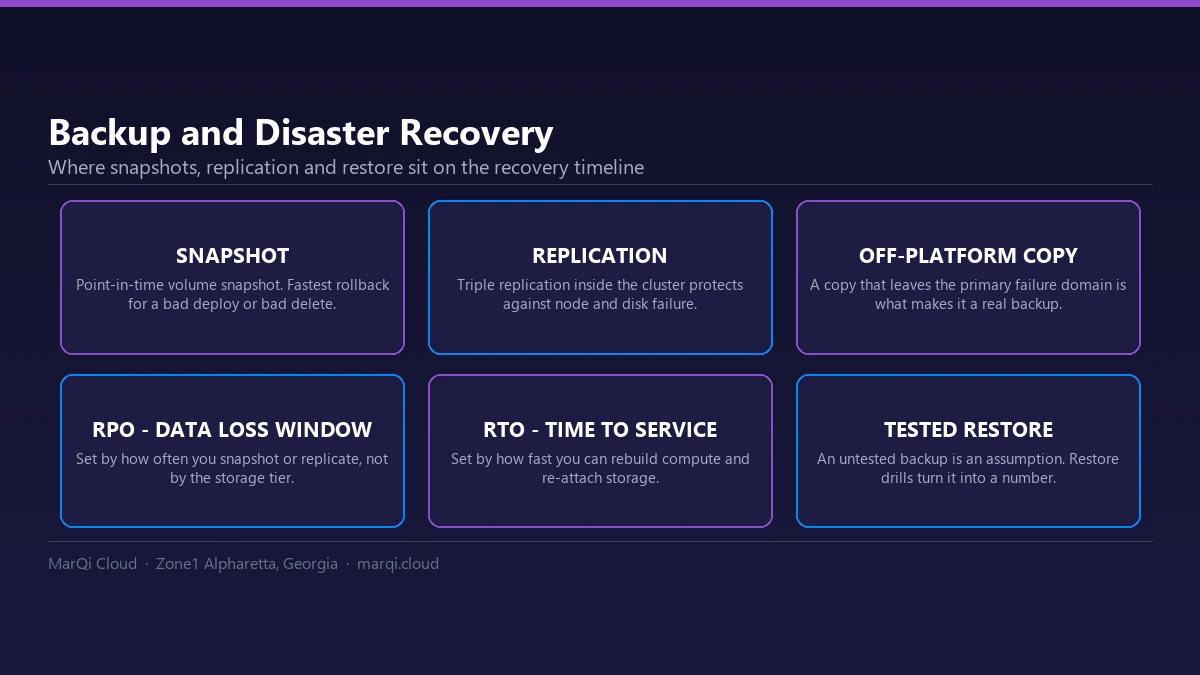
- Backup and Disaster Recovery: Private cloud solutions typically include robust backup and disaster recovery options, ensuring that data is recoverable in the event of a breach or system failure.
Comparison Table: Private Cloud vs. Public Cloud Security Features
| Feature | Private Cloud | Public Cloud |
|---|---|---|
| Data Encryption | Customizable encryption protocols | Standard encryption options |
| Access Controls | Role-based access and MFA | Basic access controls |
| Regular Audits | Frequent security audits | Less frequent audits |
| Backup Solutions | Tailored backup strategies | Standard backup options |
Cost Considerations of Private Cloud Solutions
While private cloud hosting offers numerous benefits, organizations must also consider the associated costs. Here are some factors to evaluate:
- Initial Setup Costs: Setting up a private cloud infrastructure can require significant upfront investment in hardware, software, and skilled personnel. However, organizations can offset these costs by leveraging managed services from providers like MarQi Cloud.
- Ongoing Maintenance: Private clouds require ongoing maintenance and monitoring to ensure optimal performance and security. Organizations should budget for these expenses.
- Scalability Costs: While private clouds can scale resources, organizations must evaluate the costs associated with scaling to ensure it aligns with their budget.
Expert Insight:
MarQi Cloud’s Private Cloud Solutions
MarQi Cloud offers robust private cloud hosting solutions specifically designed for regulated industries. Our enterprise-grade infrastructure ensures compliance with industry standards while providing the security and performance needed for sensitive data handling.
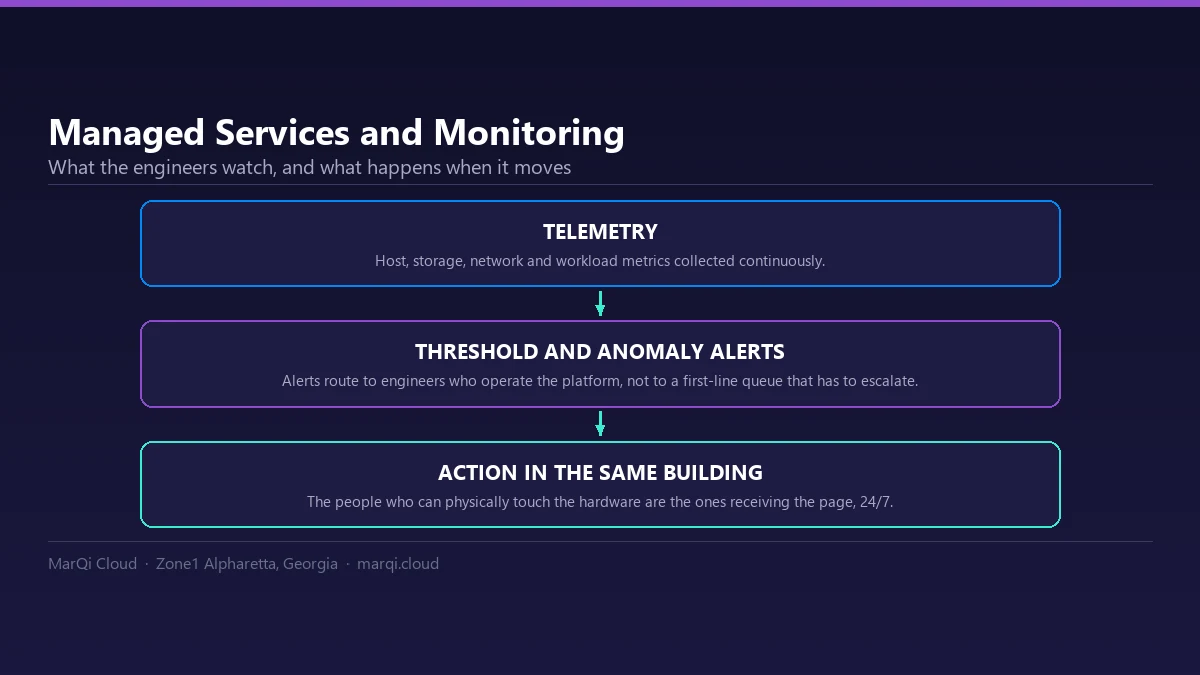
With features such as dedicated resources, customizable security protocols, and scalable storage options, MarQi Cloud empowers organizations to maintain control over their data while ensuring compliance with regulations. Our team of experts is dedicated to providing white-glove managed services that meet the unique needs of each client.
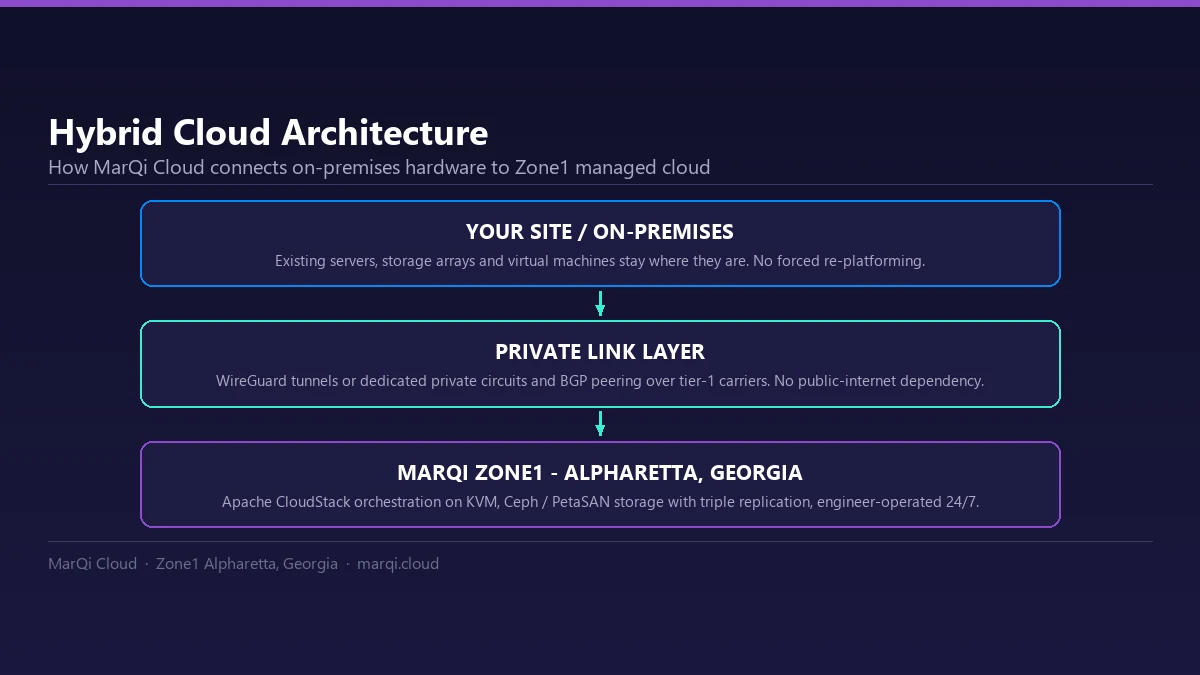
To learn more about our private cloud solutions, visit our Hybrid Cloud page or contact us directly at info@marqi.cloud.
Conclusion
Private cloud hosting is not just a trend; it is an essential strategy for organizations operating in regulated industries. The combination of enhanced security, compliance assurance, and customization makes private clouds the ideal choice for businesses handling sensitive data. By leveraging a trusted provider like MarQi Cloud, organizations can navigate the complexities of compliance while ensuring their data remains secure and accessible.
Investing in a private cloud solution is a proactive step toward safeguarding your organization’s data and maintaining compliance in an increasingly regulated environment.
FAQ
What is private cloud hosting?
Private cloud hosting is a cloud computing model that provides dedicated resources and infrastructure solely for a single organization, offering enhanced security and control.
What are the benefits of private cloud hosting for regulated industries?
Private cloud hosting offers enhanced security, compliance assurance, customization, scalability, and improved performance, making it ideal for regulated industries.
How does private cloud hosting ensure compliance with regulations?
Private cloud solutions can be tailored to meet specific compliance requirements, ensuring organizations adhere to regulations such as HIPAA, PCI DSS, and GDPR.
What security features are included in private cloud hosting?
Private cloud hosting includes features such as data encryption, access controls, regular audits, and backup and disaster recovery options.
What are the cost considerations for private cloud solutions?
Organizations must consider initial setup costs, ongoing maintenance, and scalability costs when evaluating private cloud solutions.
How can MarQi Cloud help with private cloud hosting?
MarQi Cloud offers enterprise-grade private cloud solutions tailored for regulated industries, providing compliance assurance and expert support.
Is private cloud hosting suitable for small businesses?
While private cloud hosting is often associated with larger organizations, small businesses in regulated industries can benefit from tailored solutions that meet their specific needs.
What industries benefit the most from private cloud hosting?
Industries such as healthcare, finance, and government benefit significantly from private cloud hosting due to their stringent compliance requirements.