Hybrid Kubernetes on VMs and Bare Metal: A Comprehensive US Deployment Blueprint
March 2, 2026
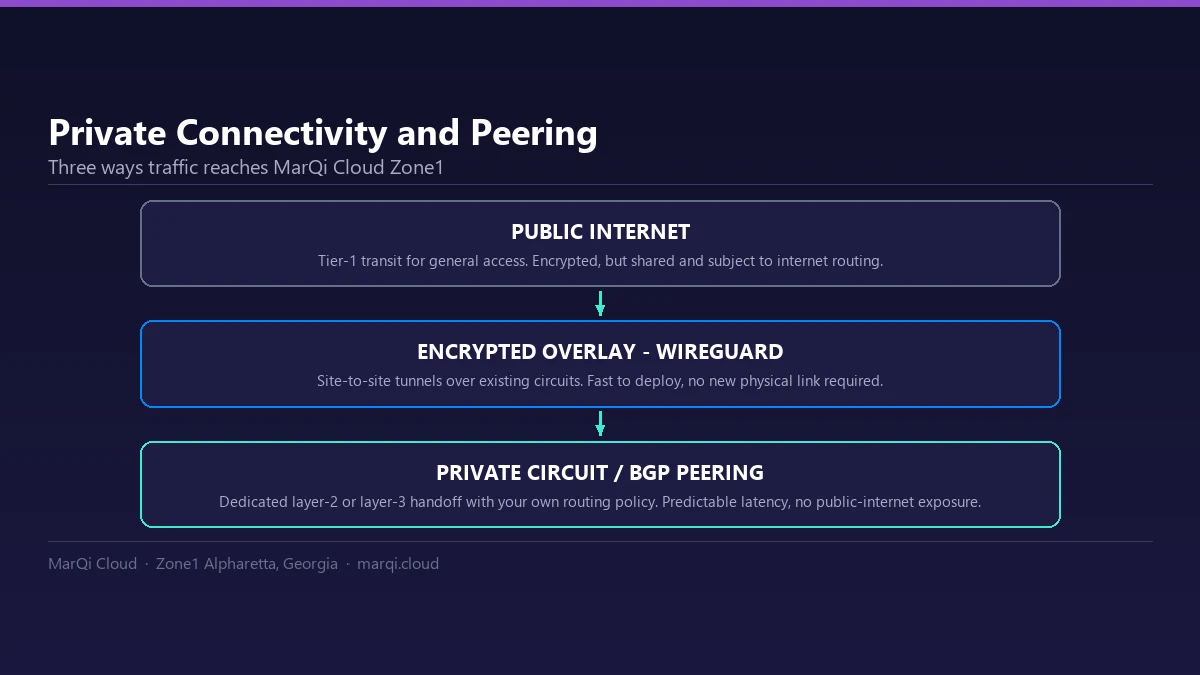
Peering vs VPN: How US Enterprises Should Connect to Cloud
March 2, 2026
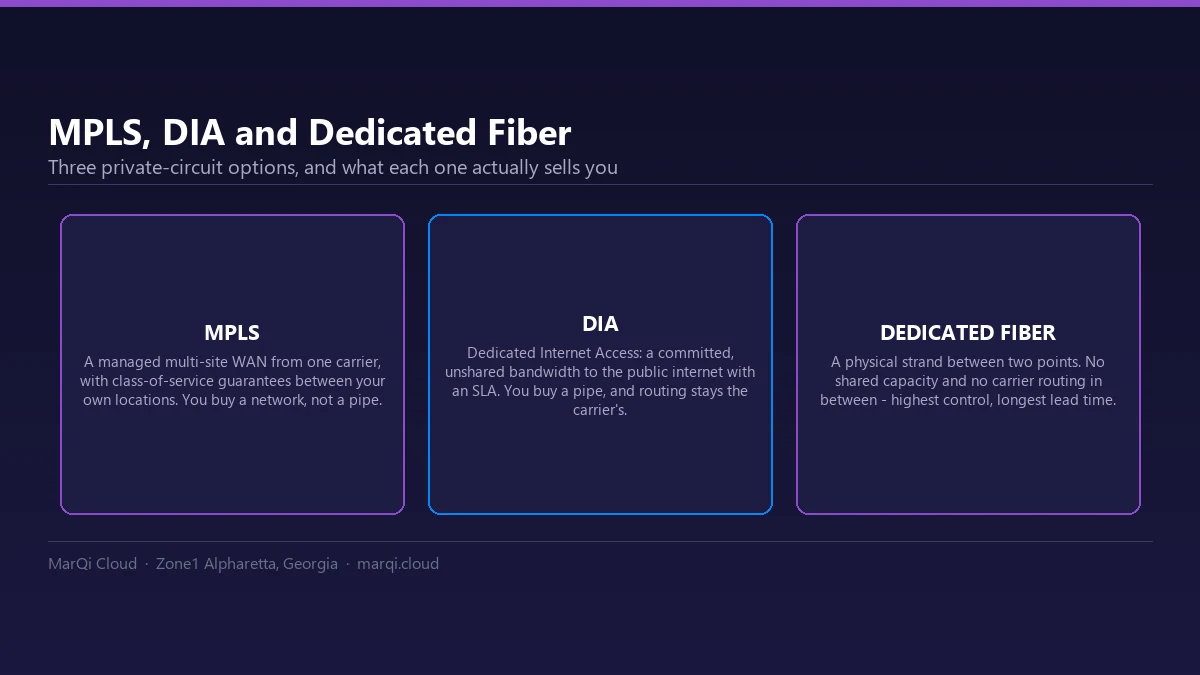
What is the primary difference between MPLS and DIA?
MPLS is designed for managing data traffic across a private network with prioritization, while DIA provides a dedicated internet connection with fixed bandwidth.
Private Circuits in the US: MPLS, DIA, and Dedicated Fiber—What to Choose
In today’s digital landscape, businesses are increasingly reliant on robust and reliable connectivity solutions. As organizations expand their operations, the need for secure, high-performance networks has never been more crucial. Private circuits, including MPLS (Multiprotocol Label Switching), DIA (Dedicated Internet Access), and dedicated fiber, offer tailored solutions for enterprises seeking to optimize their network infrastructure. In this article, we will explore these three options, detailing their features, benefits, and considerations to help you make an informed choice.
What Is a Private Circuit and When Do You Need One?
Private circuits are dedicated connections that provide a direct link between two or more locations. Unlike standard internet connections, which share bandwidth among multiple users, private circuits deliver consistent performance, enhanced security, and increased reliability. Businesses typically choose private circuits for critical applications, data transfer, and inter-office connectivity.
MPLS: Multiprotocol Label Switching
What is MPLS?
MPLS is a networking technology that directs data from one node to the next based on short path labels rather than long network addresses. This allows for efficient traffic management and improved performance across the network. MPLS can support a variety of protocols, making it a versatile choice for businesses with diverse networking needs.
Benefits of MPLS
- Quality of Service (QoS): MPLS allows businesses to prioritize traffic, ensuring critical applications receive the necessary bandwidth and low latency.
- Scalability: As your business grows, MPLS can be easily scaled to accommodate additional locations or increased data traffic.
- Security: With dedicated paths and traffic isolation, MPLS networks can provide enhanced security for sensitive data.
- Reliability: MPLS networks are designed for high availability, minimizing downtime and ensuring continuous connectivity.
Considerations for MPLS
While MPLS offers numerous advantages, there are some considerations to keep in mind. The initial setup costs can be higher than other options, and the technology may require specialized knowledge for management. Additionally, businesses must assess their specific needs to determine if MPLS is the most cost-effective solution for their operations.
DIA: Dedicated Internet Access
What is DIA?
Dedicated Internet Access (DIA) provides businesses with a dedicated connection to the internet, ensuring that bandwidth is not shared with other users. This results in consistent speeds and reliable performance, making it an attractive option for organizations that require stable internet connectivity for their operations.
Benefits of DIA
- Fixed Bandwidth: DIA offers guaranteed bandwidth, allowing businesses to rely on consistent internet speeds, especially during peak usage times.
- Enhanced Performance: With dedicated access, organizations can experience faster upload and download speeds, improving overall productivity.
- Improved Security: DIA connections are typically more secure than shared internet connections, reducing the risk of data breaches.
- Customer Support: Many providers offer dedicated support for DIA customers, ensuring quick resolutions to any connectivity issues.
Considerations for DIA
While DIA is an excellent choice for businesses needing stable internet access, it may not offer the same level of network management features as MPLS. Additionally, the costs associated with DIA can vary based on the service provider and geographical location, so it’s essential to evaluate your budget and requirements before committing.
Dedicated Fiber: The Next Level of Connectivity
What is Dedicated Fiber?
Dedicated fiber refers to a direct fiber-optic connection that is exclusively used by a single organization. This type of connection provides higher bandwidth and lower latency compared to traditional copper-based solutions, making it ideal for businesses that require high-speed data transfer and real-time communication.
Benefits of Dedicated Fiber
- High Speed: Fiber-optic connections offer significantly faster speeds than other types of connections, enabling quick data transfer and improved application performance.
- Low Latency: Dedicated fiber provides ultra-low latency, which is critical for applications such as video conferencing, VoIP, and online gaming.
- Scalability: Businesses can easily scale their bandwidth as needed, accommodating growth without significant infrastructure changes.
- Future-Proofing: Investing in fiber technology positions businesses for future advancements in connectivity and data requirements.
Considerations for Dedicated Fiber
Dedicated fiber can be more expensive than other options due to the infrastructure required for installation and maintenance. Additionally, availability may vary based on location, so businesses should assess whether dedicated fiber is accessible in their area.
Choosing the Right Option for Your Business
When deciding between MPLS, DIA, and dedicated fiber, businesses should consider their unique needs and objectives. Each option has its strengths and weaknesses, and the best choice will depend on factors such as:
- Data Requirements: Evaluate the amount of data your business transfers daily and the speed required for optimal performance.
- Budget: Consider the costs associated with each option, including installation, monthly fees, and potential upgrades.
- Security Needs: Determine the level of security required for your data and applications, and choose a solution that aligns with those needs.
- Future Growth: Anticipate your business’s growth and scalability needs to ensure that your chosen solution can accommodate future demands.
Conclusion
Private circuits, including MPLS, DIA, and dedicated fiber, offer businesses a range of options for enhancing their connectivity and network performance. By understanding the features, benefits, and considerations associated with each solution, organizations can make informed decisions that align with their operational requirements and long-term goals. Ultimately, investing in the right private circuit can lead to improved efficiency, enhanced security, and a competitive edge in today’s digital marketplace.
FAQ
1. What is the primary difference between MPLS and DIA?
MPLS is designed for managing data traffic across a private network with prioritization, while DIA provides a dedicated internet connection with fixed bandwidth.
2. How does dedicated fiber compare to traditional internet connections?
Dedicated fiber offers faster speeds, lower latency, and enhanced reliability compared to traditional copper-based internet connections.
3. Is MPLS more secure than standard internet connections?
Yes, MPLS provides enhanced security through dedicated paths and traffic isolation, making it a suitable choice for sensitive data transmission.
4. Can I scale my bandwidth with DIA?
Yes, many DIA providers allow businesses to easily scale their bandwidth as needed to accommodate growth.
5. Are there any hidden costs associated with private circuits?
Potential hidden costs may include installation fees, maintenance charges, and overage fees for exceeding bandwidth limits, so it’s crucial to review contracts carefully.
6. How do I determine which option is best for my business?
Assess your data requirements, budget, security needs, and potential for future growth to choose the best connectivity solution for your organization.
7. What industries benefit most from private circuits?
Industries such as finance, healthcare, and technology often benefit the most from private circuits due to their heightened security and performance needs.
8. How long does it take to set up a private circuit?
Setup times can vary depending on the provider and the type of circuit but typically range from a few days to several weeks.
9. What kind of support can I expect from private circuit providers?
Many providers offer dedicated customer support services, including technical assistance and troubleshooting for their private circuit solutions.
10. Can I combine different types of private circuits?
Yes, many businesses opt to combine different types of private circuits to create a comprehensive and tailored network solution that meets their diverse needs.