Hybrid Cloud vs Public Cloud in 2026: When Cost Predictability Wins
February 18, 2026
Understanding the One VPC: Virtual + Physical Hybrid Design (KVM + Colocation Explained)
February 18, 2026
Alpharetta, GA Hybrid Cloud: Why Southeast Latency Matters for Enterprise Apps
In today’s fast-paced digital environment, the performance of enterprise applications is paramount. Businesses require a robust infrastructure that can not only handle their current demands but also scale as they grow. One of the solutions that have gained significant traction is the hybrid cloud. In this article, we will explore the importance of hybrid cloud solutions, particularly in Alpharetta, GA, and why understanding latency in the Southeast region is crucial for enterprise applications.
Understanding Hybrid Cloud
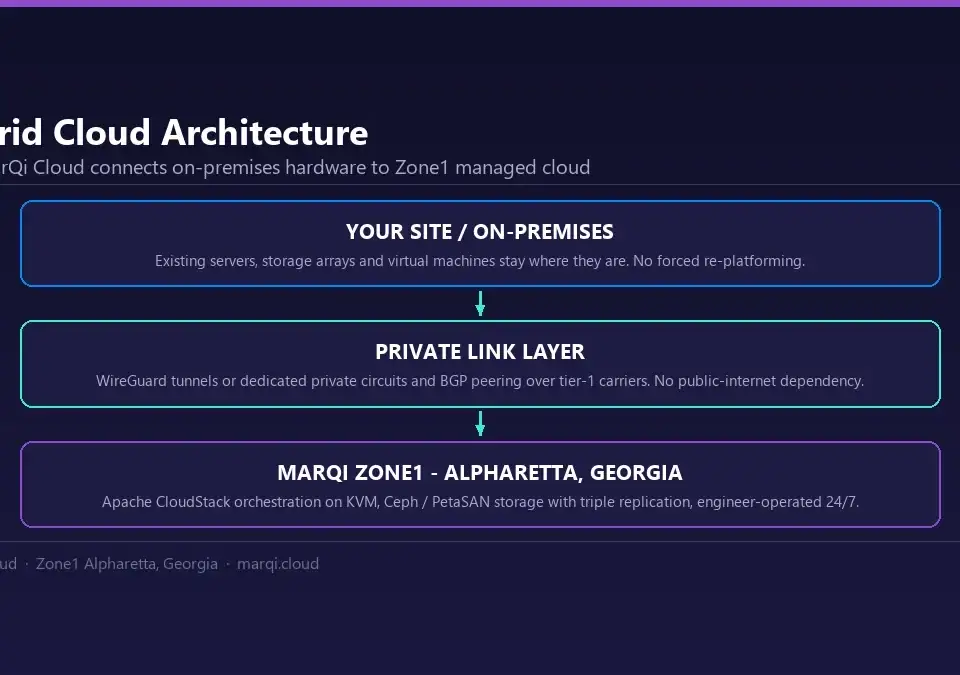
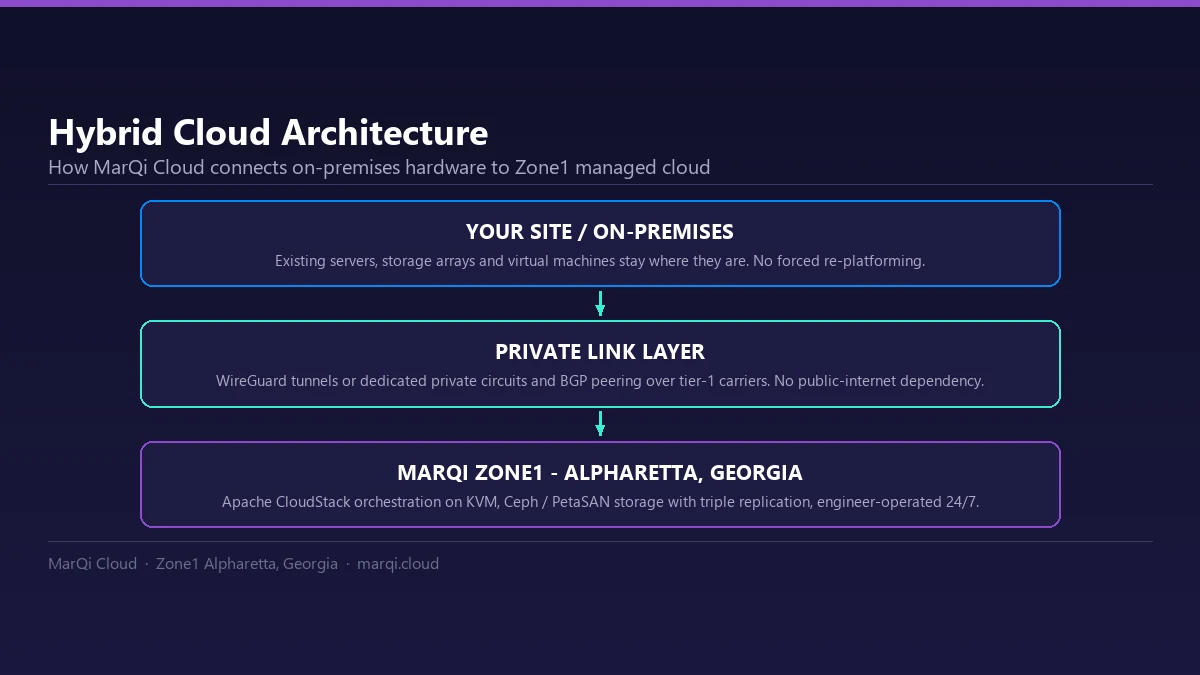
Hybrid cloud combines both public and private cloud infrastructures, allowing businesses to leverage the benefits of both environments. This model provides flexibility, scalability, and enhanced security, making it an attractive choice for enterprises. Let’s dive deeper into what makes hybrid cloud solutions appealing.
1. Flexibility
With a hybrid cloud, businesses can choose where to host their applications and data based on specific needs. This flexibility allows companies to manage workloads efficiently, optimizing performance and cost.
2. Scalability
Organizations can quickly scale their resources up or down in a hybrid cloud environment, accommodating varying workloads without the need for significant capital expenditures.
3. Enhanced Security
A hybrid cloud allows sensitive data to be stored in a private cloud while leveraging the public cloud for less sensitive data, ensuring a higher level of security and compliance.
Why Southeast Latency Matters
Latency refers to the delay before a transfer of data begins following an instruction. For enterprise applications, especially those that rely on real-time data, low latency is crucial. In Alpharetta, GA, understanding the regional latency factors can significantly impact application performance.
1. Proximity to Data Centers
Alpharetta is strategically located near several major data centers. This proximity reduces the distance data must travel, thereby decreasing latency. By choosing a hybrid cloud provider with infrastructure in the region, businesses can ensure faster response times for their applications.
2. Network Infrastructure
The quality of network infrastructure in the Southeast plays a significant role in latency. Alpharetta benefits from robust fiber optic networks and advanced telecommunications systems, providing a solid foundation for low-latency connections.
3. Regional Internet Exchange Points
Internet exchange points (IXPs) in the Southeast help facilitate faster data transfer between different networks. These IXPs reduce the number of hops data must make, further lowering latency and improving application performance.
The Benefits of Low Latency for Enterprise Applications
Low latency is not just a technical requirement; it has real-world implications for businesses. Here are a few critical benefits of low latency for enterprise applications.
1. Improved User Experience
Applications with low latency provide users with a seamless experience. Fast load times and quick responses lead to higher user satisfaction and retention.
2. Enhanced Productivity
For businesses, low latency can enhance productivity. Employees can access applications and data quickly, enabling them to complete tasks more efficiently.
3. Competitive Advantage
In a competitive market, businesses that can offer faster services and real-time data access can gain a significant edge over their competitors.
Implementing a Hybrid Cloud Strategy in Alpharetta
For enterprises in Alpharetta, developing a hybrid cloud strategy involves several key considerations.
1. Assessing Business Needs
Before implementing a hybrid cloud solution, businesses should assess their specific needs, including data sensitivity, compliance requirements, and performance expectations.
2. Choosing the Right Provider
Selecting a reliable hybrid cloud provider with a strong presence in the Southeast is essential. Look for providers that offer enterprise-grade infrastructure and support.
3. Integration and Management
Integrating existing systems with a hybrid cloud solution can be complex. Businesses should consider engaging with experts to develop a management strategy that ensures smooth operations.
Potential Challenges of Hybrid Cloud in Alpharetta
While hybrid cloud solutions offer numerous benefits, they also come with challenges that businesses need to address.
1. Complexity of Management
Managing multiple environments can be complex. Businesses must have the right tools and processes in place to ensure smooth operations.
2. Security Concerns
While hybrid clouds can enhance security, they also present potential vulnerabilities. It’s crucial for businesses to implement robust security measures to protect sensitive data.
3. Cost Management
While hybrid clouds can be cost-effective, businesses must monitor their resources closely to avoid unexpected costs, particularly with public cloud usage.
Conclusion
The hybrid cloud presents a powerful solution for enterprises in Alpharetta, GA, particularly when considering the importance of latency. By understanding the regional factors that influence latency, businesses can make informed decisions that enhance application performance and provide a competitive edge. Choosing the right hybrid cloud provider and developing a comprehensive strategy will be key to leveraging the full potential of this technology.
FAQ
1. What is a hybrid cloud?
A hybrid cloud combines public and private cloud infrastructures, providing flexibility, scalability, and enhanced security for businesses.
2. Why is latency important for enterprise applications?
Low latency is crucial for real-time data access and application performance, impacting user experience and productivity.
3. How does proximity to data centers affect latency?
Being close to data centers reduces the distance data needs to travel, resulting in lower latency and faster response times.
4. What role do Internet exchange points play in latency?
IXPs facilitate quicker data transfers between networks, reducing the number of hops data must make and improving latency.
5. What are the benefits of low latency?
Low latency improves user experience, enhances productivity, and provides a competitive advantage in the market.
6. What should businesses consider when implementing a hybrid cloud strategy?
Businesses should assess their needs, choose the right provider, and develop an effective integration and management strategy.
7. What challenges do hybrid clouds present?
Challenges include management complexity, security concerns, and potential cost management issues.
8. How can businesses ensure security in a hybrid cloud environment?
Businesses should implement robust security measures, including encryption, access controls, and regular security audits.
9. What types of applications benefit from a hybrid cloud?
Applications that require flexibility, scalability, and secure environments, such as CRM systems and data analytics platforms, benefit from hybrid cloud solutions.
10. How can businesses monitor costs in a hybrid cloud?
Regularly reviewing usage reports, setting budgets, and utilizing cost management tools can help businesses monitor and manage costs effectively.