Alpharetta, GA Hybrid Cloud: Why Southeast Latency Matters for Enterprise Apps
February 18, 2026
Colocation in Alpharetta/Atlanta: Your 30-Day Checklist for Moving Racks
February 18, 2026
What is the main advantage of a One VPC hybrid design?
The main advantage is the ability to leverage both virtual and physical resources, providing flexibility, improved performance, and enhanced disaster recovery.
Understanding the One VPC: Virtual + Physical Hybrid Design (KVM + Colocation Explained)
Introduction
In today’s rapidly evolving digital landscape, businesses are increasingly leveraging hybrid cloud solutions to achieve flexibility, scalability, and efficiency. One such model gaining traction is the “One VPC: Virtual + Physical” hybrid design. This innovative approach combines the power of Virtual Private Cloud (VPC) infrastructure with the reliability of physical colocation. In this article, we will explore what this hybrid design entails, how it works, and why it is beneficial for businesses.
What Is a Virtual Private Cloud (VPC)?
A Virtual Private Cloud (VPC) is a secure and isolated portion of a public cloud environment, allowing organizations to deploy resources and applications in a flexible manner. It provides several advantages, such as:
1. Enhanced Security
VPCs enable businesses to create a secure network within the public cloud, offering greater control over data and applications.
2. Scalability
Organizations can easily scale their computing resources up or down based on demand, ensuring optimal performance at all times.
3. Cost Efficiency
With a pay-as-you-go pricing model, businesses can optimize their IT expenditures while enjoying enterprise-grade services.
What Is Colocation?
Colocation refers to the practice of housing privately-owned servers and networking equipment in a third-party data center. This model allows businesses to benefit from the infrastructure of established facilities, including:
1. Reliable Power and Cooling
Data centers are designed to provide consistent power and cooling, ensuring that equipment remains operational at all times.
2. Physical Security
Colocation facilities often have stringent security measures, including surveillance, access controls, and on-site staff.
3. Redundancy and Reliability
Many colocation providers offer redundant systems, such as backup power supplies and network connections, to enhance reliability.
The One VPC Hybrid Design Explained
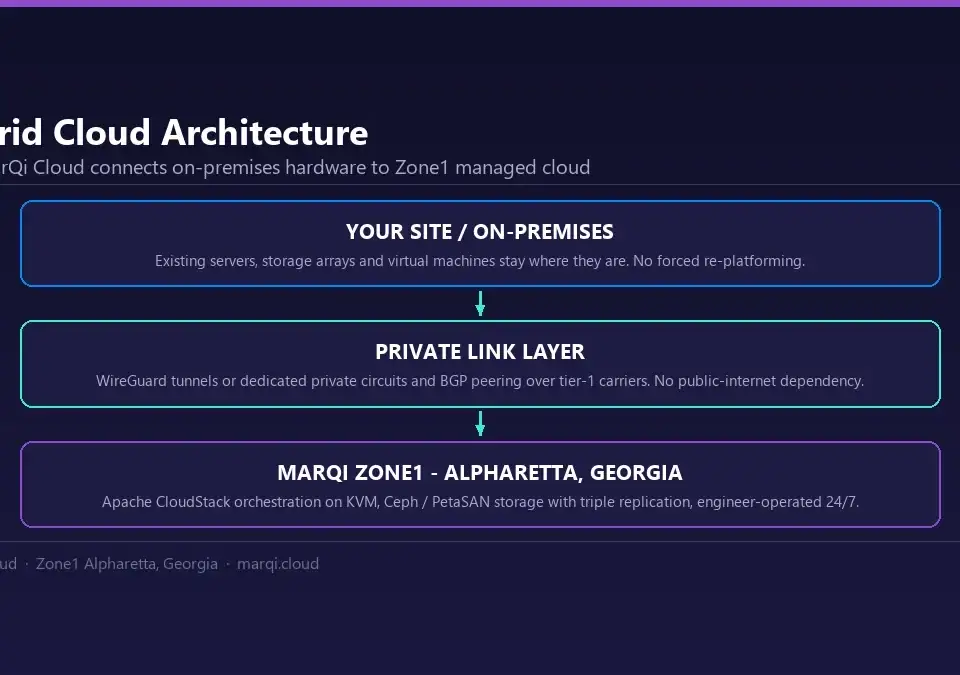
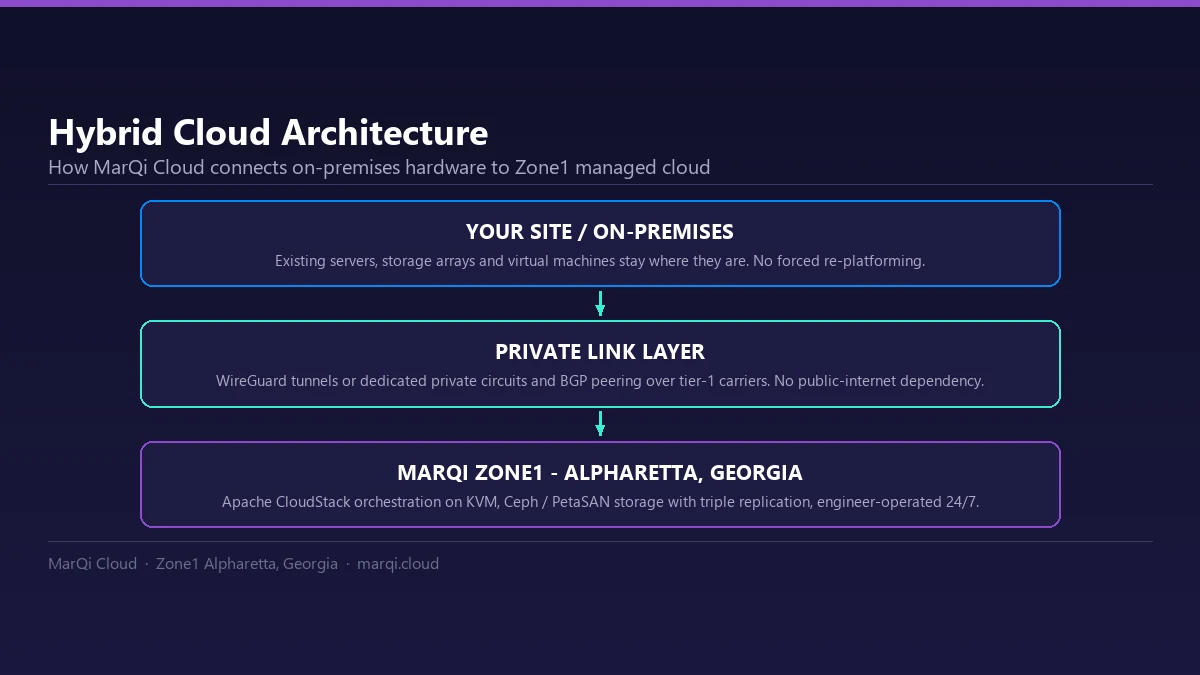
The “One VPC: Virtual + Physical” hybrid design integrates the advantages of both VPC and colocation. This model allows businesses to deploy their workloads across both virtual and physical environments seamlessly.
1. Architecture Overview
The architecture typically involves a VPC that is interconnected with a physical colocation setup. This interconnectivity allows for efficient data flow and management between the two environments.
2. KVM (Kernel-based Virtual Machine) Integration
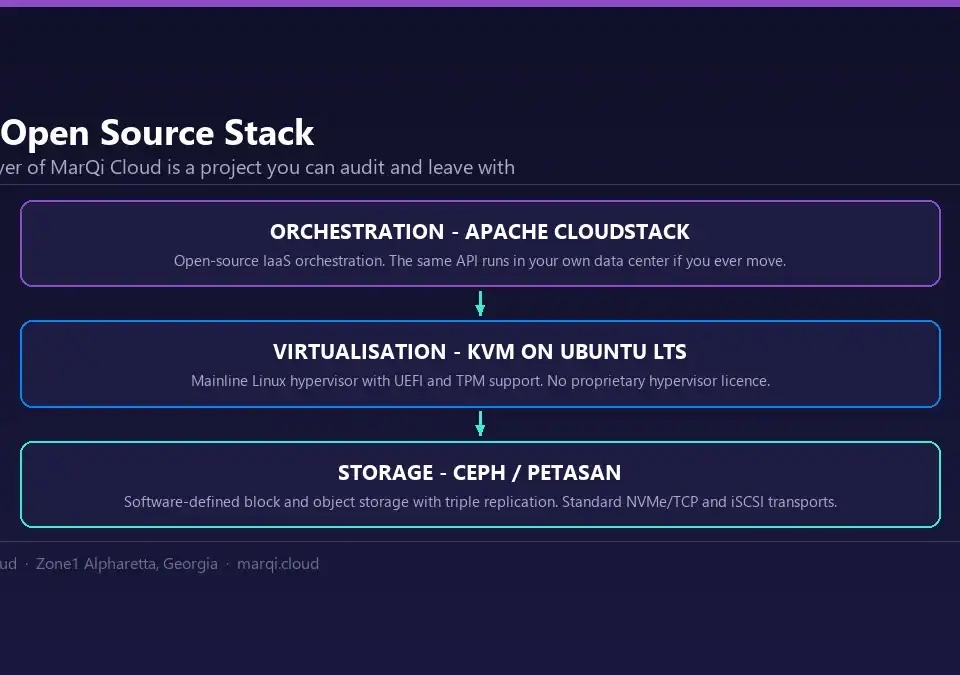
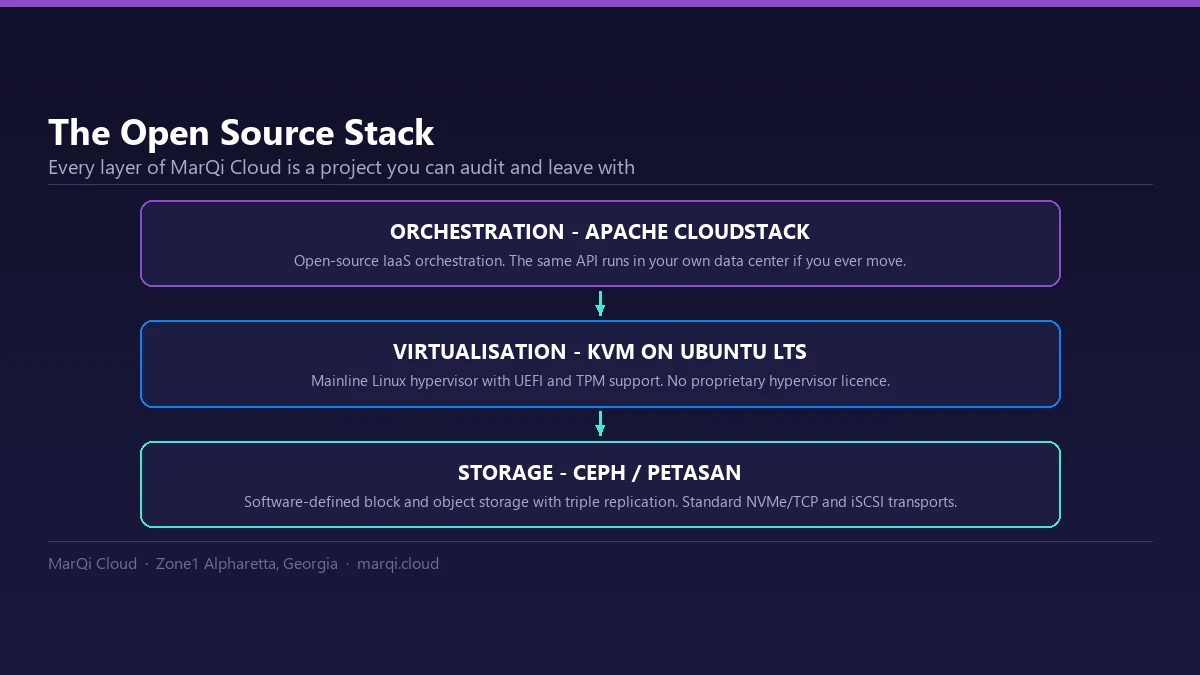
KVM is a virtualization technology that enables the creation and management of virtual machines in a Linux environment. In the One VPC design, KVM allows organizations to:
a. Run Multiple Operating Systems
KVM supports various operating systems, enabling businesses to run diverse applications in one environment.
b. Optimize Resource Utilization
KVM uses hardware virtualization to optimize resource usage, ensuring that both virtual and physical resources are used efficiently.
3. Benefits of the One VPC Model
Implementing a One VPC hybrid design offers numerous advantages:
a. Flexibility
Organizations can choose to run workloads in either the cloud or on-premises based on their specific needs.
b. Improved Performance
By leveraging both virtual and physical resources, businesses can achieve high performance and low latency.
c. Enhanced Disaster Recovery
The hybrid model allows for robust disaster recovery solutions, ensuring business continuity in case of unexpected events.
Use Cases for One VPC Hybrid Design
Several scenarios illustrate the practical applications of the One VPC hybrid design:
1. Regulatory Compliance
Businesses in regulated industries can maintain sensitive data on-premises while leveraging cloud resources for less sensitive workloads.
2. High-Performance Computing
Organizations requiring significant computational power can utilize the VPC for processing while relying on colocation for data storage.
3. Development and Testing
The hybrid model allows development teams to build and test applications in a flexible environment, ensuring rapid deployment.
Challenges and Considerations
While the One VPC hybrid design offers many benefits, businesses should also be aware of potential challenges:
1. Complexity
Managing a hybrid environment can be complex, requiring skilled personnel and robust management tools.
2. Cost Management
While hybrid models can optimize costs, organizations must monitor usage to avoid unexpected expenses.
3. Integration Issues
Ensuring seamless integration between virtual and physical environments can be challenging and may require specialized solutions.
Conclusion
The One VPC: Virtual + Physical hybrid design represents a powerful approach for businesses looking to leverage the best of both worlds. By integrating the flexibility of VPC with the reliability of colocation, organizations can achieve greater efficiency, performance, and scalability. As the digital landscape continues to evolve, this hybrid model will be instrumental in helping businesses navigate the complexities of modern IT infrastructure.
FAQ
1. What is the main advantage of a One VPC hybrid design?
The main advantage is the ability to leverage both virtual and physical resources, providing flexibility, improved performance, and enhanced disaster recovery.
2. How does KVM work in a hybrid cloud environment?
KVM allows organizations to create and manage virtual machines within a Linux environment, optimizing resource utilization across both virtual and physical systems.
3. What industries can benefit from a One VPC hybrid design?
Industries such as finance, healthcare, and technology can benefit greatly due to their need for regulatory compliance and high-performance computing.
4. Are there any security concerns with a hybrid cloud model?
While hybrid models can enhance security, organizations must ensure proper protocols are in place to protect data across both environments.
5. How can businesses manage costs in a hybrid cloud setup?
Implementing monitoring tools and utilizing flexible pricing models can help organizations manage costs effectively in a hybrid cloud setup.
6. What are the challenges of integrating virtual and physical environments?
Challenges include complexity in management, potential integration issues, and the need for skilled personnel.
7. How does disaster recovery work in a One VPC model?
The hybrid design allows businesses to back up critical data in the cloud while maintaining on-premises resources for quick recovery.
8. Is a One VPC hybrid design suitable for small businesses?
Yes, small businesses can benefit from the flexibility and scalability offered by a One VPC hybrid design, especially if they have varying workloads.
9. What types of applications are best suited for a hybrid model?
Applications that require varying levels of resource utilization, such as web applications, databases, and development environments, are well-suited for a hybrid model.
10. How do I get started with a One VPC hybrid design?
Consult with a cloud service provider to assess your needs and create a tailored hybrid cloud strategy that incorporates both VPC and colocation solutions.