What to Look for in a Reliable Open Source Hybrid Cloud Provider
February 13, 2026
Alpharetta, GA Hybrid Cloud: Why Southeast Latency Matters for Enterprise Apps
February 18, 2026
Hybrid Cloud vs Public Cloud in 2026: When Cost Predictability Wins
As we look ahead to 2026, the landscape of cloud computing continues to evolve, shaped by emerging technologies, changing business needs, and the necessity for cost efficiency. One of the most critical discussions in this arena is the comparison between hybrid cloud and public cloud deployments. While both options offer unique advantages, the focus on cost predictability has become a significant factor influencing organizations’ choices. In this article, we will explore the differences between hybrid and public cloud models, delve into the implications of cost predictability, and discuss how businesses can make informed decisions for their cloud infrastructure.
Public, Private or Hybrid Cloud – Which Model Fits?
Before we dive into the specifics of hybrid and public cloud, it is essential to define what these terms mean and how they operate.
What is a Public Cloud?
A public cloud is a cloud computing model where services and infrastructure are made available to the general public over the internet. Providers like Amazon Web Services (AWS), Microsoft Azure, and Google Cloud Platform (GCP) own and manage hardware, software, and other infrastructure components. Customers typically pay on a pay-as-you-go basis, which can lead to fluctuating costs based on usage.
What is a Hybrid Cloud?
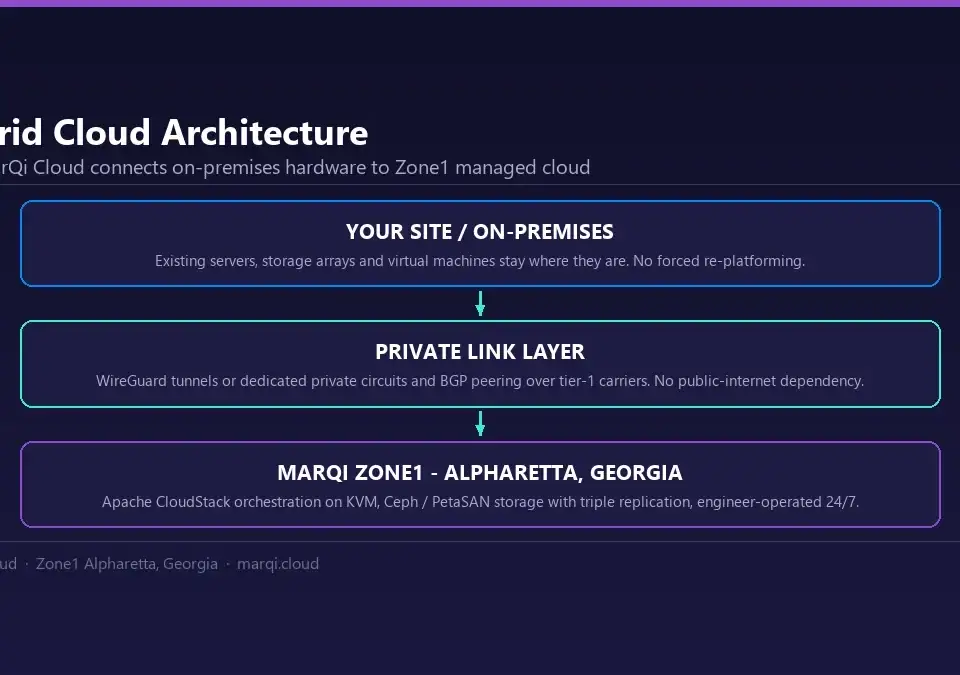
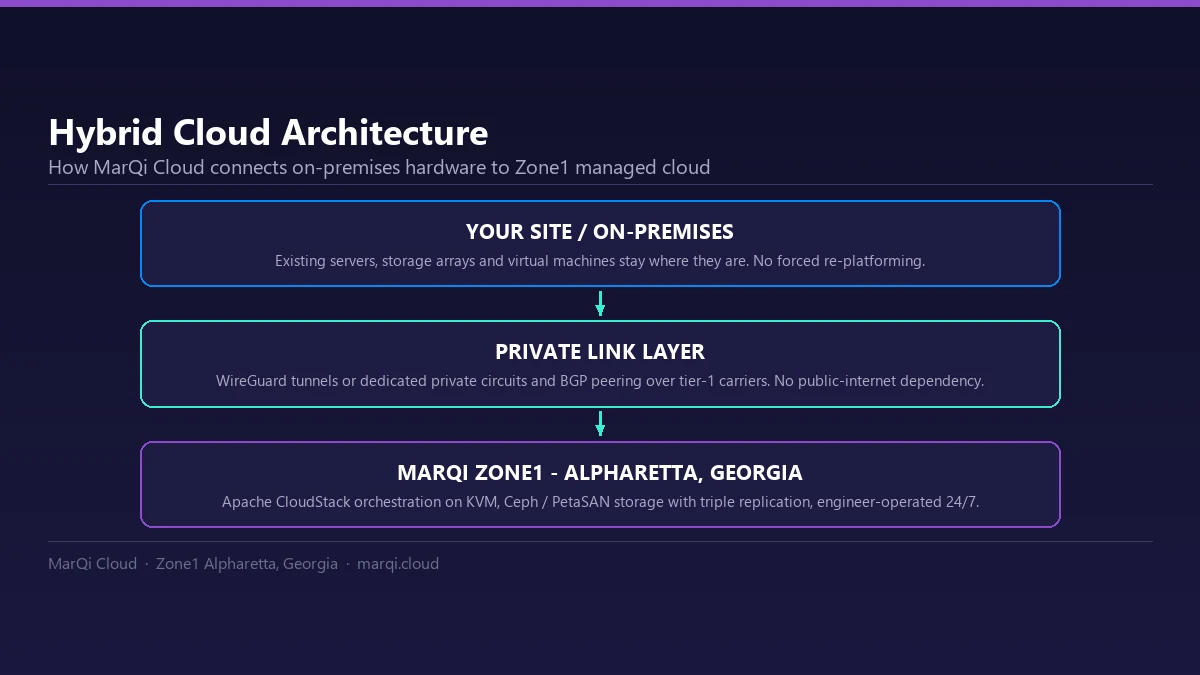
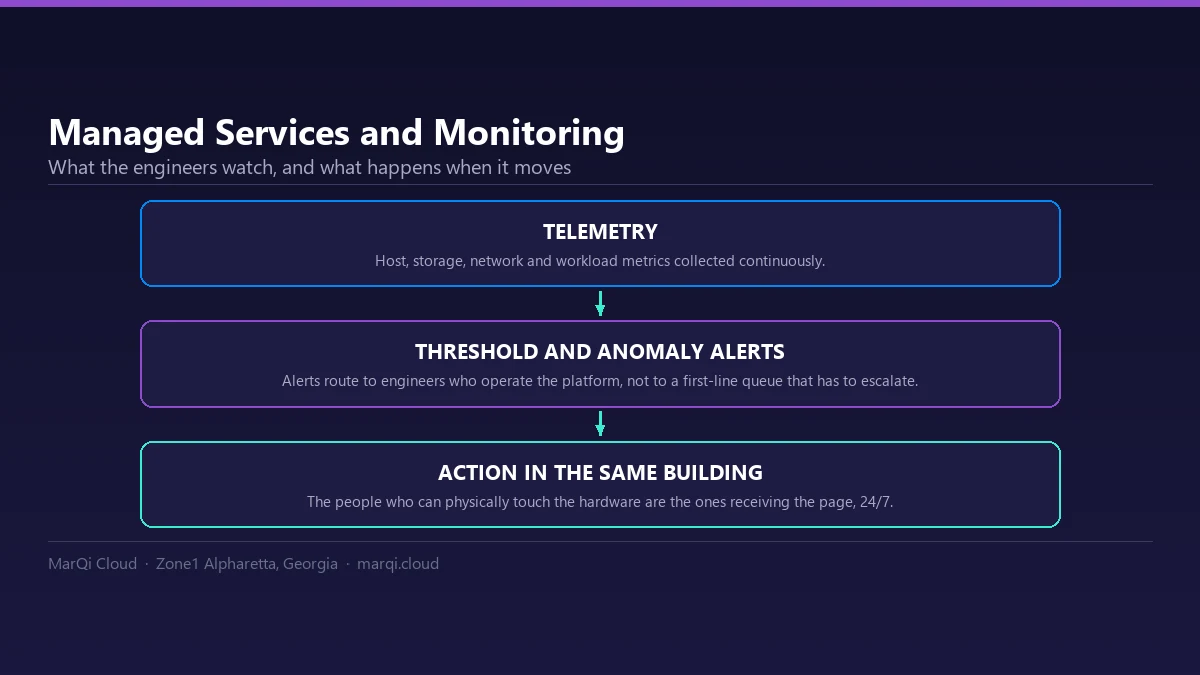
A hybrid cloud combines public and private cloud environments, allowing data and applications to be shared between them. This model provides greater flexibility and more deployment options. Organizations can keep sensitive data on a private cloud while leveraging the scalability of the public cloud for less sensitive operations, making it a versatile choice for many businesses.
The Importance of Cost Predictability
Cost predictability is increasingly important for businesses as they seek to manage budgets effectively in an uncertain economic climate. Fluctuations in cloud costs can create challenges for financial planning and operational efficiency. In 2026, understanding how each cloud model impacts cost predictability will be crucial for decision-makers.
Cost Predictability in Public Cloud
The public cloud model offers scalability and flexibility, but these advantages can come at a cost. Organizations often find themselves facing unexpected charges due to spikes in usage or insufficient monitoring of resources. For example, a sudden increase in traffic can lead to higher costs that were not accounted for in the budget.
Cost Predictability in Hybrid Cloud
In contrast, the hybrid cloud model provides a more controlled environment for managing costs. By utilizing a private cloud for critical applications and data, organizations can better predict their expenses. The public cloud can then be used as an overflow resource, allowing businesses to scale without incurring the same level of unpredictability in costs. Additionally, hybrid cloud environments often come with customizable pricing models that align more closely with organizational needs.
| Cost factor | Public cloud | Hybrid cloud |
|---|---|---|
| Billing model | Pay-as-you-go, so costs fluctuate with usage | Fixed costs for private cloud resources, public cloud used as overflow |
| Main source of surprise cost | Usage spikes and insufficient monitoring of resources | Overflow usage only; critical workloads sit on fixed private capacity |
| Budget forecasting | Fluctuations make financial planning harder | Fixed private-cloud costs allow more accurate forecasting |
| Where sensitive data sits | In the provider-managed public environment | On the private cloud, public cloud for less sensitive operations |
| Regulatory controls | Whatever controls the public provider offers | The controls regulated organizations need, which avoids fines |
| Workload placement | All workloads run in the same public environment | Each workload placed in public or private by suitability |
Benefits of Hybrid Cloud in Cost Management
As organizations seek to implement cost-effective solutions, hybrid cloud models present several advantages that can enhance cost predictability.
1. Resource Optimization
With a hybrid cloud, businesses can optimize resource allocation by determining which applications are best suited for public versus private environments. This optimization allows organizations to minimize costs and enhance performance.
2. Predictable Budgeting
Hybrid cloud infrastructures often have fixed costs associated with private cloud resources, which can help organizations forecast their expenses more accurately. This predictability facilitates better budgeting and reduces the risk of unexpected charges.
3. Enhanced Security
By keeping sensitive data in a private cloud, organizations can mitigate the risk of security breaches that could lead to costly data loss or regulatory fines. This aspect of hybrid cloud infrastructure further supports cost predictability.
4. Business Continuity and Disaster Recovery
Hybrid clouds can support robust business continuity and disaster recovery solutions, ensuring that organizations can respond quickly to disruptions without incurring significant costs. This reliability is essential for maintaining operational efficiency and protecting the bottom line.
Evaluating Your Cloud Strategy
When considering hybrid versus public cloud for cost predictability in 2026, organizations must evaluate their unique needs, resources, and goals. Here are some key factors to consider:
1. Assess Your Workloads
Determine which applications and data are suitable for public cloud versus private cloud. Classifying workloads based on sensitivity and performance requirements can help streamline cost management.
2. Analyze Compliance Requirements
Organizations that must adhere to industry regulations may find a hybrid cloud offers the necessary controls for compliance, which can ultimately lead to cost savings by avoiding fines.
3. Explore Flexible Pricing Models
Hybrid cloud providers often offer flexible pricing options that can be tailored to fit the specific needs of an organization. Evaluating these options can help businesses manage costs effectively.
4. Consider Scalability Needs
As businesses grow, their cloud needs will evolve. A hybrid cloud can support scalability without sacrificing cost predictability.
Future Trends in Hybrid and Public Cloud
As we look toward 2026, several trends are emerging that will further influence the hybrid and public cloud landscape:
1. Increased Adoption of AI and Automation
Artificial intelligence and automation technologies will continue to play a significant role in cloud management, helping organizations optimize their resources and predict costs more effectively.
2. Greater Emphasis on Security
As cyber threats become more sophisticated, organizations will prioritize security in their cloud strategies. This focus will further enhance the appeal of hybrid cloud models.
3. Evolving Regulatory Landscape
As regulations surrounding data privacy and security continue to evolve, organizations will need to adapt their cloud strategies to ensure compliance, further emphasizing the benefits of hybrid cloud environments.
Conclusion
In 2026, the choice between hybrid cloud and public cloud will be heavily influenced by the need for cost predictability. While public cloud models offer scalability and flexibility, the hybrid cloud presents a more controlled environment for managing expenses. By considering their unique needs and evaluating the benefits of each cloud model, organizations can make informed decisions that align with their budgetary requirements and long-term goals.
FAQ
1. What is the primary difference between hybrid cloud and public cloud?
Hybrid cloud combines both public and private cloud environments, allowing businesses to utilize the best of each, while public cloud services are offered over the internet by third-party providers.
2. How does cost predictability differ between hybrid and public cloud models?
Hybrid clouds offer more predictable costs through fixed pricing for private resources, while public cloud costs can fluctuate based on usage spikes.
3. What are the benefits of using a hybrid cloud for sensitive data?
Hybrid cloud environments provide enhanced security features and compliance controls for sensitive data, reducing risks associated with data breaches.
4. Can hybrid cloud solutions support disaster recovery?
Yes, hybrid cloud solutions can provide robust disaster recovery options, ensuring business continuity without incurring significant costs.
5. What factors should organizations consider when choosing a cloud model?
Organizations should assess workload requirements, compliance needs, pricing models, and scalability requirements when selecting a cloud model.
6. How can businesses optimize costs in a hybrid cloud environment?
Businesses can optimize costs by carefully classifying workloads and utilizing public cloud resources for overflow while keeping critical applications on private clouds.
7. What role does automation play in cloud cost management?
Automation can help businesses monitor resources, optimize usage, and predict costs more accurately, enhancing cost predictability.
8. Are there specific industries that benefit more from hybrid cloud solutions?
Industries with strict regulatory requirements, such as healthcare and finance, often benefit more from hybrid cloud solutions due to their enhanced security and compliance features.
9. How can organizations ensure compliance in a hybrid cloud environment?
Organizations should implement strong security protocols, regularly audit their cloud environments, and stay updated on evolving regulations to ensure compliance.
10. Will hybrid cloud adoption continue to grow in the future?
Yes, as organizations seek greater control over costs and security, the adoption of hybrid cloud solutions is expected to grow significantly in the coming years.