The Ultimate Guide to Migrating Development and Staging Environments Before Production Workloads
July 18, 2026The Complete Guide to Migrating from Bare Metal to Virtualized Cloud Infrastructure
July 18, 2026
What is parallel run migration, and when should you use it?
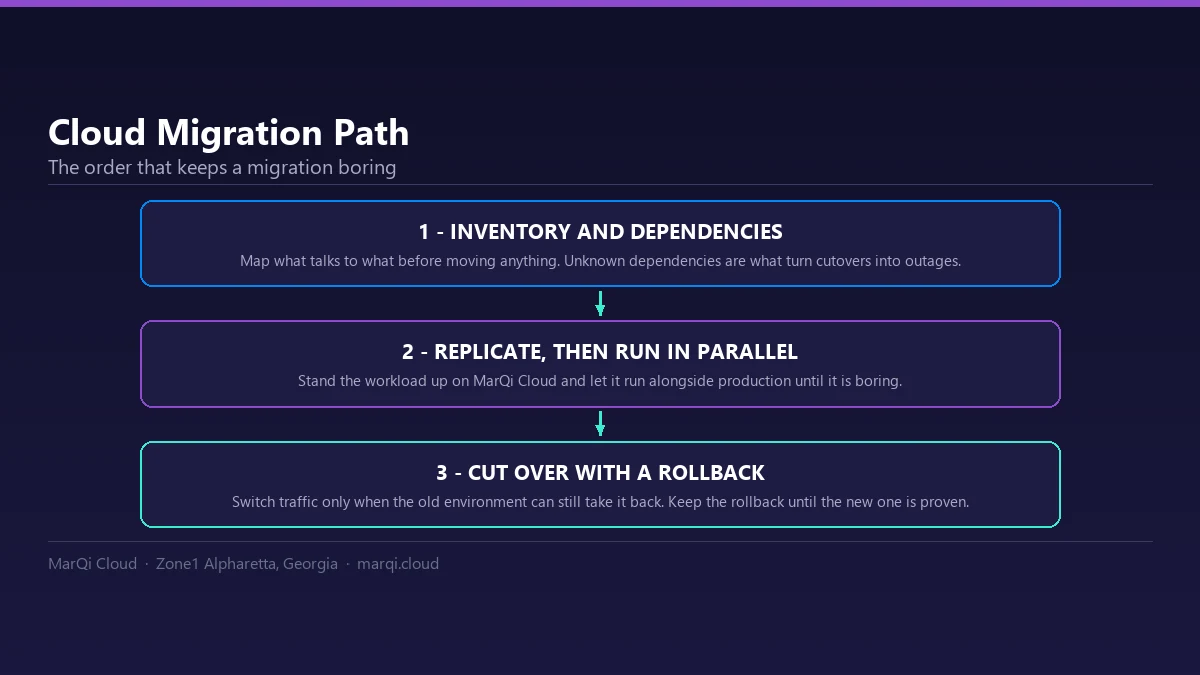
A parallel run keeps the old system live while the new one processes the same work, so you compare real output instead of trusting a test plan. Use it whenever rollback has to stay cheap: it costs you two environments for a short window and buys a cutover you can reverse in one step.
Why Parallel Running During Migration Validates Cloud Performance Before Cutover
In the ever-evolving landscape of cloud computing, the process of migrating from one environment to another can be a daunting task for organizations. With the stakes higher than ever, ensuring that your cloud infrastructure performs optimally before making the final cutover is critical. This is where the concept of parallel running comes into play. Parallel running, or running both the old and new systems simultaneously during the migration process, serves as a vital strategy to validate cloud performance before the final transition. In this article, we will explore why parallel running is essential, how it works, and the best practices for implementing it effectively.
What is Parallel Running?
Parallel running is a migration strategy that involves operating both the legacy system and the new cloud environment at the same time. This dual-operation method allows organizations to compare the performance, reliability, and functionality of both systems before fully committing to the new infrastructure. By running the systems in parallel, organizations can identify any discrepancies, performance issues, or integration challenges that may arise in the new cloud environment.
Importance of Parallel Running in Cloud Migration
The significance of parallel running during cloud migration cannot be overstated. It offers several advantages that can make or break the success of the migration process:
- Risk Mitigation: By validating the new cloud environment while the legacy system is still operational, organizations can significantly reduce the risk of downtime and data loss.
- Performance Validation: Parallel running allows organizations to assess the performance of the new cloud infrastructure in real-time, ensuring it meets the required benchmarks before cutover.
- Cost Efficiency: Identifying issues during parallel running can save organizations from incurring costs related to post-migration fixes and potential business interruptions.
- User Acceptance Testing (UAT): Stakeholders can use the parallel running period to test the new system’s functionality, providing valuable feedback that can be addressed before the final transition.
- Enhanced Decision Making: Data gathered during parallel running can inform decision-makers about the readiness of the new infrastructure, leading to more informed choices.
How Parallel Running Works
Implementing parallel running requires careful planning and execution. Here’s a step-by-step guide on how organizations can effectively set up parallel running during cloud migration:
- Assess Current Infrastructure: Evaluate the existing systems and determine the necessary requirements for the new cloud environment. This includes identifying workloads, applications, and data that need to be migrated.
- Choose the Right Cloud Provider: Selecting a reliable cloud provider that meets your organization’s needs is critical. Look for features such as enterprise-grade cloud infrastructure, hybrid cloud deployment models, and secure hosting solutions. At MarQi Cloud, we offer scalable compute and storage resources tailored for mid-size to enterprise-level organizations.
- Define Migration Objectives: Clearly outline the goals of the migration process, including performance metrics and success criteria.
- Set Up the New Environment: Configure the new cloud infrastructure according to your organization’s specifications. Ensure that it is compatible with existing applications and data.
- Initiate Parallel Running: Begin running both systems simultaneously. Monitor performance metrics, application functionality, and user experience closely during this phase.
- Gather and Analyze Data: Collect data from both environments and compare results. Identify any discrepancies and address issues promptly.
- Conduct User Acceptance Testing: Involve end-users in testing the new environment to gather feedback and make necessary adjustments.
- Finalize Migration: Once the new cloud environment has been validated and all issues resolved, proceed with the final cutover.
Best Practices for Implementing Parallel Running
To maximize the benefits of parallel running, organizations should adhere to the following best practices:
- Establish Clear Communication: Ensure that all stakeholders are informed about the parallel running process, timelines, and expectations.
- Utilize Monitoring Tools: Leverage monitoring solutions to track performance metrics in real-time. This will help in identifying potential issues quickly.
- Document Everything: Maintain comprehensive documentation of the migration process, including configurations, performance metrics, and any challenges faced.
- Maintain Data Integrity: Implement data validation techniques to ensure that data is accurately migrated and remains intact during the transition.
- Involve Key Stakeholders: Engage IT teams, business units, and end-users throughout the process to gather insights and address concerns.
Common Challenges Faced During Parallel Running
While parallel running is an effective strategy, organizations may encounter several challenges:
- Increased Complexity: Running two systems simultaneously can complicate the migration process, requiring additional resources and management.
- Data Synchronization Issues: Ensuring that data remains synchronized between the two systems can be challenging, especially with frequent updates.
- Performance Discrepancies: Differences in performance between the legacy system and the new cloud environment may arise, causing confusion among users.
- Resource Allocation: Managing resources effectively during parallel running can strain IT teams and budgets.
Example Scenarios of Parallel Running
The scenarios below are illustrative examples of how organizations typically apply these practices; they do not describe specific MarQi Cloud customers or measured results.
- Healthcare Sector: A large healthcare provider migrated its patient management system to a cloud environment. By running both systems in parallel, they were able to validate system performance and ensure compliance with healthcare regulations before fully transitioning to the cloud.
- Finance Sector: A fintech company utilized parallel running to migrate its trading platform to the cloud. This approach allowed them to test real-time transactions and ensure system reliability, leading to a successful migration without downtime.
- E-commerce: An e-commerce retailer implemented parallel running during its migration to a new cloud infrastructure. The retailer was able to validate website performance and user experience, resulting in a seamless transition during peak shopping seasons.
Conclusion
Parallel running is an indispensable strategy for organizations migrating to the cloud. By validating cloud performance before cutover, organizations can mitigate risks, ensure data integrity, and enhance user satisfaction. As companies continue to embrace cloud technologies, understanding the importance of parallel running will be crucial to achieving successful migrations. For enterprise-level organizations looking for reliable cloud migration services and infrastructure solutions, MarQi Cloud stands ready to assist. Our experienced team is dedicated to providing secure, scalable, and performance-driven cloud solutions that align with your business needs.
Frequently Asked Questions
What is parallel running in cloud migration?
Parallel running is the process of operating both the legacy system and the new cloud environment simultaneously during migration to validate performance and functionality before the final cutover.
Why is parallel running important during cloud migration?
Parallel running is crucial as it mitigates risks, validates cloud performance, allows for user acceptance testing, and supports better decision-making before finalizing the migration.
What challenges might arise during parallel running?
Challenges include increased complexity, data synchronization issues, performance discrepancies, and resource allocation concerns.
How can organizations ensure data integrity during parallel running?
Organizations can ensure data integrity by implementing data validation techniques, maintaining synchronization, and conducting regular audits during the parallel running phase.
What industries benefit from parallel running?
Industries such as healthcare, finance, and e-commerce benefit significantly from parallel running due to their need for high reliability and compliance requirements.
How long should the parallel running phase last?
The duration of the parallel running phase varies based on the complexity of the migration and organizational needs, but it typically lasts from a few weeks to several months.
What tools can assist with parallel running?
Monitoring tools, data synchronization software, and performance analytics platforms can assist organizations in managing and optimizing the parallel running phase.
How does parallel running improve user experience?
By allowing users to interact with both systems, organizations can gather feedback and make necessary adjustments to improve the performance and functionality of the new cloud environment.